

 By
By One day, I caught myself wondering something I never expected to Google:
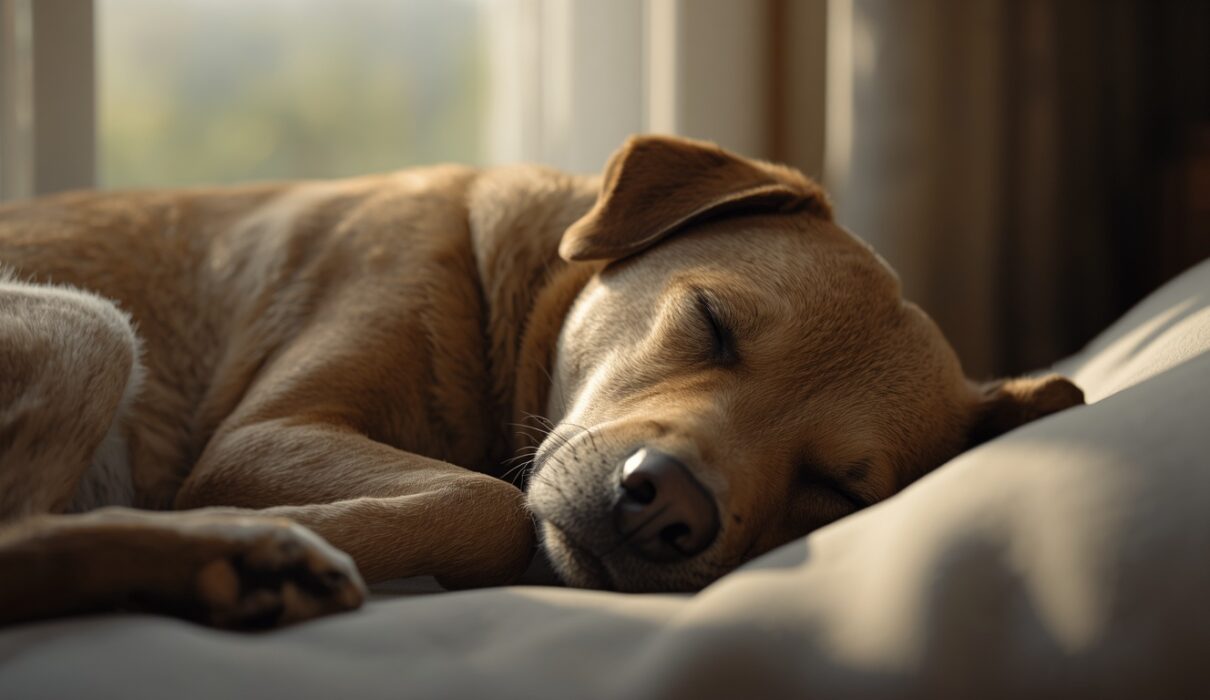
Why do dogs sleep so much?
It started innocently.
A nap after breakfast.
Sleeping again by lunchtime.
Then somehow stretching out for another long nap before dinner.
At first, I honestly wondered if my dog was sleeping too much.
But after paying closer attention, I realized something important:
Dogs naturally sleep far more than most people expect.
The tricky part is figuring out what is completely normal… and what may deserve a closer look.
In this guide, I’ll share the common reasons dogs sleep so much, what I noticed with my own dog
and when extra sleep may be worth paying attention to.
Is It Normal for Dogs to Sleep So Much?
In many cases, yes.
Dogs sleep much more than humans.
And honestly, that surprised me too at first.
Some dogs seem to nap half the day and still somehow look ready for bed again by evening.
But I slowly realized sleep depends on a lot of things:
- age
- breed
- activity level
- weather
- routine
- emotional state
- overall health
The biggest thing I learned?
Sleeping a lot does not automatically mean something is wrong.
But sudden changes in sleep habits are worth noticing.
If you are wondering exactly how much sleep is normal by age and breed, I’ll be covering that in
more detail in a separate guide.
Common Reasons Dogs Sleep So Much
1. Your Dog May Simply Need More Sleep Than You Expect
This was honestly the biggest surprise for me.
Dogs are not built around the same routine humans follow.
Even healthy, happy dogs often spend large parts of the day resting.
Especially during quiet hours at home.
At first, I thought:
Shouldn’t my dog be awake more?
Eventually, I realized many dogs naturally switch between short bursts of activity and long periods of rest.
Sometimes what looks excessive is actually completely normal.
2. Age Plays a Huge Role
I started noticing sleep patterns changed depending on age.
Puppies?
They seemed to sleep constantly.
Senior dogs?
More naps too.
Growing bodies and aging bodies often need more recovery time.
Older dogs especially may rest more simply because movement takes more effort than before.
If your dog is older and struggles more at night, you may also want to read:
Night Anxiety in Senior Dogs
3. Breed and Energy Level Matter More Than People Realize
This surprised me too.
Not all dogs have the same energy needs.
Some breeds naturally sleep more.
Others seem endlessly energetic.
A relaxed companion breed may happily spend hours resting, while working breeds often need
more mental and physical activity before settling.
I realized comparing one dog to another rarely helped.
What matters more is what feels normal for your dog.
4. Boredom Can Sometimes Look Like Sleepiness
This one caught me off guard.
There were days where my dog seemed tired all day.
But eventually, I started wondering:
Was he actually tired… or just bored?
Especially on quiet days, I noticed more sleeping happened when:
- there was less activity
- fewer walks happened
- routines changed
- mental stimulation dropped
Sometimes dogs sleep simply because nothing interesting is happening.
I noticed calm enrichment often helped more than I expected.
Things like:
- sniff walks
- food puzzles
- short training sessions
- slow playtime
5. Weather Changes Can Affect Sleep
I definitely noticed this during colder months.
Rainy days.
Cold weather.
Dark winter afternoons.
My dog suddenly seemed much sleepier.
And honestly?
I felt the same.
Many dogs naturally become less active during certain weather conditions and may rest more than usual.
Seasonal changes can sometimes affect energy levels more than owners expect.
I also noticed colder months sometimes affected my dog’s overall mood and routine more than expected.
You may also want to read: Dog Anxiety During Winter Months
6. Recovery After Stress or Anxiety
This was something I did not understand at first.
After stressful days, my dog often slept more.
Things like:
- vet visits
- travel
- loud noises
- house guests
- overstimulating days
At first, I assumed he was lazy.
Eventually, I realized emotional stress can be exhausting too.
Just like humans sometimes feel drained after stressful experiences, dogs may recover through extra rest.
If your dog suddenly seems emotionally unsettled overall, you may also want to read:
Why Is My Dog Suddenly Anxious? Causes, Signs, and What to Do
7. Daily Routine Changes
Dogs love predictable routines.
I noticed sleep habits changed when:
- schedules changed
- walk times shifted
- family routines changed
- activity suddenly decreased
Even small disruptions sometimes affected how much my dog rested during the day.
Dogs often adjust their sleep patterns around household rhythms.
8. Your Dog Could Be Recovering Physically
Sometimes extra sleep is simply recovery.
After long hikes.
Busy weekends.
Play sessions.
Travel.
My dog often slept much more after physically active days.
Honestly, this started making more sense once I stopped comparing quiet days to active days.
Recovery matters.
9. When Sleeping Too Much Could Mean Something More
This was the part I learned not to ignore.
Usually, extra sleep is harmless.
But sudden or unusual changes deserve attention.
I started paying closer attention if my dog:
- suddenly slept far more than normal
- lost interest in food
- avoided interaction
- seemed unusually tired all the time
- acted uncomfortable
- stopped enjoying favorite activities
Sometimes changes in sleep can point to discomfort, illness, pain, emotional stress or
something deeper worth checking.
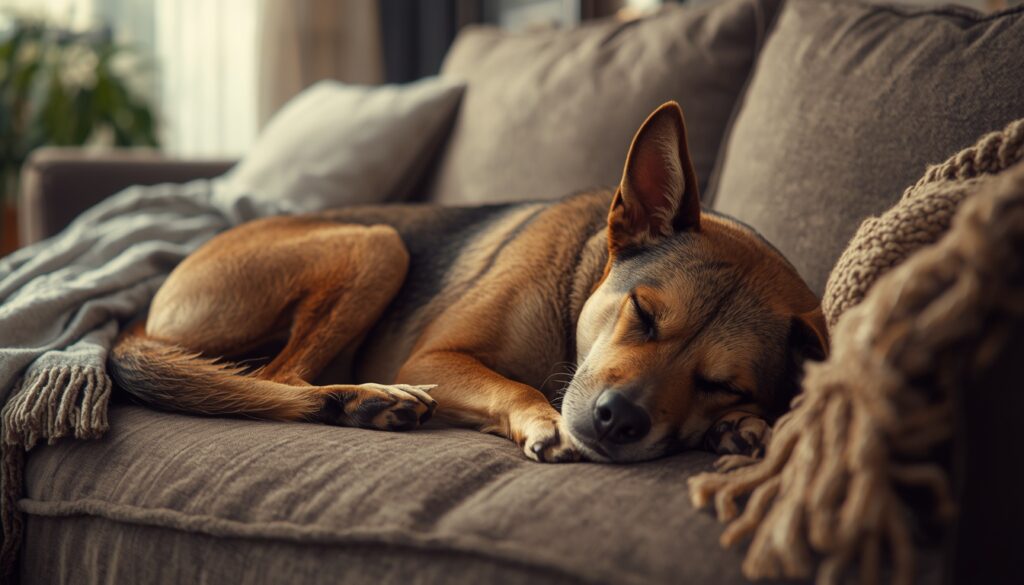
What Helped Me Understand My Dog’s Sleep Better
The biggest thing that helped me was stopping the comparison game.
Instead of asking:
Do dogs sleep too much?
I started asking:
Is this normal for my dog?
That one question changed everything.
I Looked for Patterns
Did extra sleep happen:
- after stressful days?
- during cold weather?
- after busy weekends?
- when routines changed?
Patterns usually explained a lot.
I Paid Attention to Energy When Awake
This mattered more than sleep itself.
A dog sleeping often but acting happy, playful, and normal while awake felt very different
from a dog seeming exhausted all the time.
That distinction helped me stop overthinking normal naps.
I Focused on Overall Behavior
Instead of only counting sleeping hours, I looked at:
- appetite
- mood
- excitement levels
- movement
- routine changes
The bigger picture usually mattered more.
When You Probably Don’t Need to Worry
In my experience, extra sleep is usually harmless when:
- your dog still seems happy when awake
- eating habits stay normal
- energy returns during active moments
- routines feel consistent
Sometimes dogs simply rest more than we expect.
And honestly, many dogs are just incredibly talented nappers.
Reader Questions
Why does my dog sleep next to me all the time?
I noticed some dogs naturally prefer sleeping close to the people they trust most. Sometimes it feels comforting, while other times it may happen more during stressful periods or emotional changes. If your dog also struggles with nervous nighttime behavior, you may also want to read:
Dog Anxiety at Night: Complete Guide to Help Your Dog Sleep Calmly
Why does my dog sleep so much when I leave the house?
This honestly surprised me at first. Some dogs sleep more during alone time simply because the house becomes quiet and boring. But in some cases, extra sleeping may also happen after emotional stress from separation or routine changes. If your dog struggles when left alone, you may also want to read: Separation Anxiety in Dogs: The Complete Guide
How much do dogs sleep in a day?
This depends on age, breed, activity level and routine. Puppies and senior dogs often sleep more, while highly active dogs may have different patterns. If you are wondering exactly how many hours are considered normal, I covered that in more detail here: How Much Do Dogs Sleep?
Is it normal for my dog to sleep all day?
In many cases, yes. Dogs naturally sleep more than humans, especially during quiet days at home. The bigger thing I learned to watch for was not just sleep itself, but how my dog behaved when awake.
What I Eventually Realized
For a while, I kept wondering if my dog was sleeping too much.
But over time, I realized rest often had context.
Busy days looked different from quiet ones.
Stressful weeks looked different from calm ones.
And weather changes seemed to matter more than I expected.
The biggest shift came when I stopped focusing only on how long my dog slept and started paying attention to how he acted when awake.
That gave me much clearer answers.
This experience is part of my journey with Pet Calm Care, where I share what I’m learning while trying to better understand sensitive, emotional and wonderfully unpredictable dogs.
