

 By
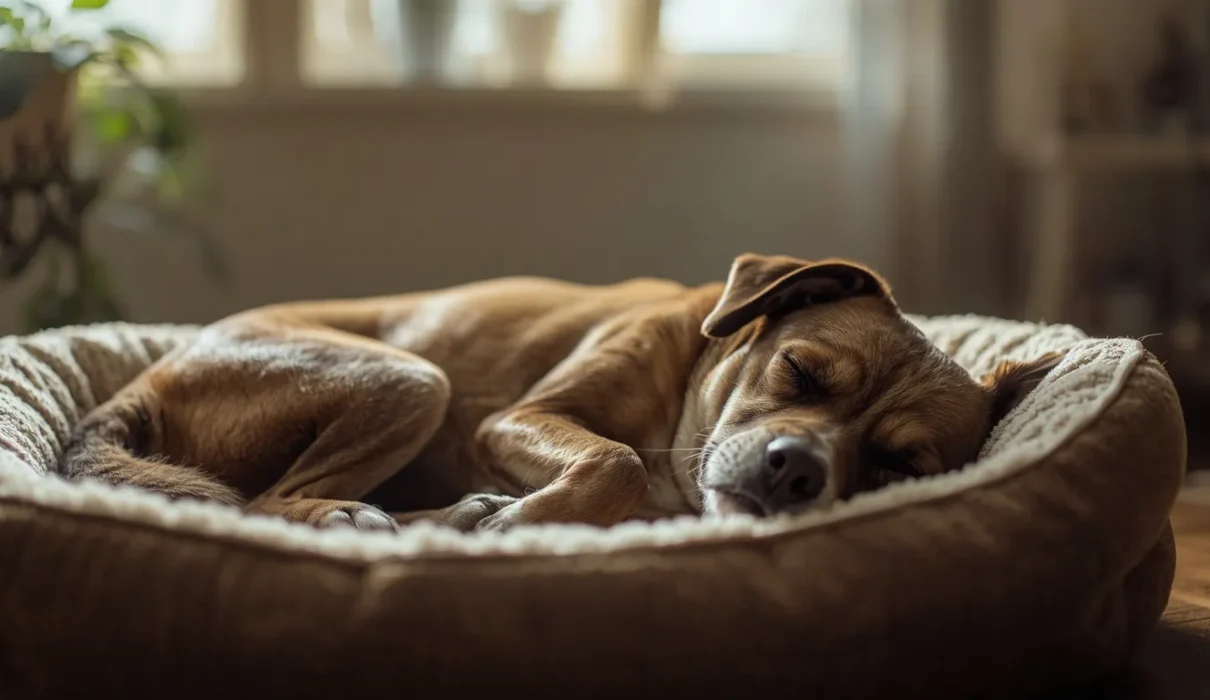
By I used to think my dog slept way too much.
Some days it felt like he somehow managed to nap through half the day and still looked ready for bed again by evening.
That made me start wondering:
How much do dogs sleep?
The answer turned out to be more complicated than I expected.
A puppy, a senior dog and a high-energy breed will not all sleep the same amount. Daily routine, activity level, weather and even stress can affect sleep too.
In this guide, I’ll walk through how much sleep dogs usually need, what changes by age and breed and when sleeping habits may be worth paying closer attention to.
Is It Normal for Dogs to Sleep a Lot?
Honestly?
Yes.
Dogs naturally sleep much more than humans.
And that surprised me at first.
Many healthy dogs spend large parts of the day resting, switching between short active periods and naps.
The biggest thing I learned was this:
Sleep only becomes concerning when something suddenly changes or feels unusual for your dog.
If your dog suddenly seems much sleepier than normal, you may also want to read:
Why Do Dogs Sleep So Much? What’s Normal and When to Worry
How Much Do Dogs Sleep by Age?
Puppies Often Sleep the Most
This honestly shocked me when I first noticed it.
Puppies seem awake for five minutes and then suddenly collapse into another nap.
That is completely normal.
Growing bodies and developing brains need a huge amount of rest.
Puppies often sleep for long stretches throughout the day because sleep supports:
- growth
- learning
- brain development
- recovery from play
If you have a young puppy sleeping constantly, that alone usually is not a reason to panic.
Adult Dogs Usually Follow a More Predictable Pattern
Once dogs become adults, sleep often becomes more routine.
I noticed adult dogs usually balance:
- naps during the day
- activity periods
- nighttime sleep
Some dogs nap lightly through the afternoon and become more active during walks, play or family routines.
What surprised me most was how much activity level affected things.
A busy day looked very different from a quiet one.
Senior Dogs Often Sleep More Again
Older dogs often return to longer sleep patterns.
I noticed senior dogs may:
- nap more often
- tire more easily
- rest longer after activity
- become slower to recover
Sometimes age simply changes energy levels.
But sudden extreme tiredness still deserves attention.
If your older dog struggles at night too, you may also want to read:
Night Anxiety in Senior Dogs
Breed and Personality Can Change Sleep Needs
This surprised me too.
Not every dog sleeps the same amount.
Some dogs naturally seem more relaxed.
Others feel like they never stop moving.
Things that can influence sleep include:
- breed type
- personality
- age
- energy level
- daily stimulation
Working breeds often need more mental and physical engagement before fully settling.
Meanwhile, calmer companion breeds may happily nap much more during the day.
I stopped comparing my dog to other dogs pretty quickly.
What mattered more was what felt normal for my own dog.
Does Exercise Affect How Much Dogs Sleep?
Definitely.
I noticed my dog rested much more after:
- long walks
- busy weekends
- travel days
- play sessions
- mentally stimulating activities
And honestly, it made sense.
Busy bodies need recovery.
What surprised me most was realizing mental stimulation mattered too.
Sometimes calm enrichment tired my dog out more than physical activity.
Things that helped:
- sniff walks
- puzzle feeders
- short training sessions
- slow exploration walks
Why Some Dogs Nap So Much During the Day
At first, I worried daytime naps meant something was wrong.
Eventually, I realized dogs naturally rest whenever life slows down.
Especially during:
- quiet afternoons
- cold weather
- rainy days
- boring days at home
Sometimes dogs sleep simply because there is not much happening.
And honestly?
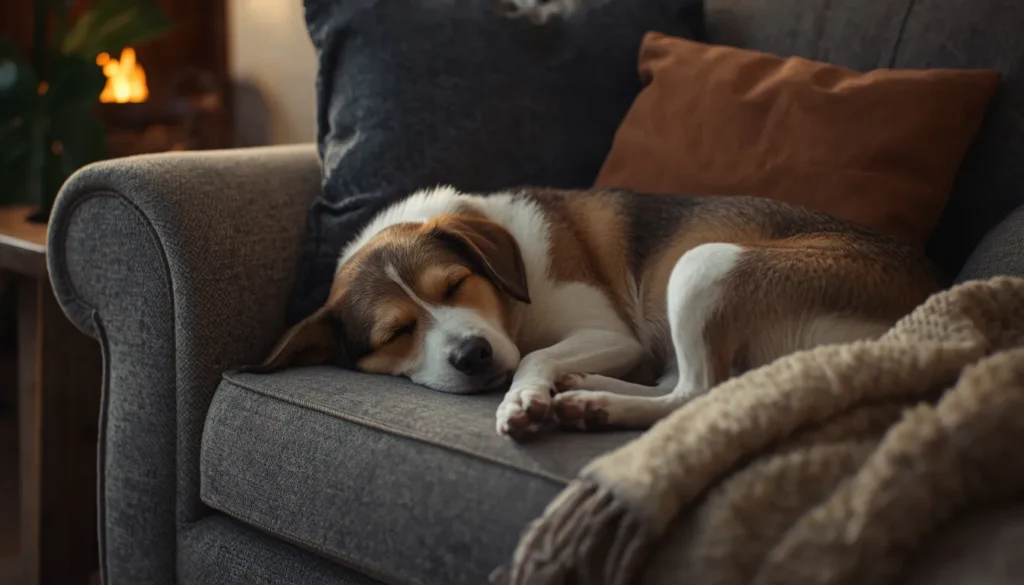
Many dogs are professional nappers.
When Sleep May Be Worth Paying Closer Attention To
This was the part I learned not to ignore.
Usually, extra sleep is harmless.
But I started paying more attention when changes felt sudden.
Things that caught my attention included:
- sudden increase in sleeping
- loss of appetite
- low energy while awake
- unusual tiredness
- avoiding favorite activities
- acting uncomfortable
For me, the biggest question became:
Does my dog still seem like themselves when awake?
That mattered more than hours slept.
Daytime Sleep vs Nighttime Sleep
This confused me for a while.
I assumed dogs slept mostly at night.
But many dogs naturally spread sleep across the day.
Short naps.
Long naps.
Quiet rest periods.
Then deeper sleep overnight.
Some dogs also adjust sleep around their owners’ schedules.
I noticed routines mattered more than I expected.
What Helped Me Stop Overthinking My Dog’s Sleep
The biggest thing that helped me was paying attention to patterns instead of numbers.
At first, I kept asking:
How many hours should my dog sleep?
Eventually, I started asking:
Has something changed recently?
That question helped much more.
I Looked at Energy While Awake
A dog sleeping often but still acting playful and normal felt very different from a dog seeming exhausted all day.
That difference mattered.
I Watched for Sudden Changes
Sudden behavior shifts usually caught my attention faster than normal sleep habits.
Especially after:
- stress
- travel
- weather changes
- routine disruptions
I Focused on the Bigger Picture
Instead of counting naps, I looked at:
- mood
- appetite
- activity level
- excitement
- behavior changes
That gave me better answers than tracking hours ever did.
When You Probably Don’t Need to Worry
In my experience, sleep is usually completely normal when:
- your dog still seems happy when awake
- energy returns during activity
- eating habits stay normal
- routines feel familiar
Sometimes dogs simply sleep more than we expect.
And honestly, most of them are incredibly good at it.
Reader Questions
Why does my dog sleep in my bed but not their own?
I noticed some dogs naturally prefer sleeping close to their owners because it feels safer, warmer or more comforting. But if your dog seems unusually restless, clingy or unsettled during bedtime, nighttime anxiety may sometimes play a role too. You may also want to read:
Dog Anxiety at Night: Complete Guide to Help Your Dog Sleep Calmly
Why does my dog sleep more when I leave the house?
This honestly surprised me at first. Some dogs sleep more simply because the house becomes quiet during alone time. But in some cases, emotional stress around departures may also affect behavior and energy levels. If your dog struggles when left alone or seems overly attached, you may also want to read: Separation Anxiety in Dogs: The Complete Guide
Why does my dog sleep with one eye open?
This honestly looked strange to me the first time I noticed it too. But some dogs naturally sleep lightly and may partially keep their eyes open during deeper rest phases. It can look unusual, but in many cases, it is completely normal unless something else feels off.
Do dogs sleep more in winter?
I definitely noticed changes during colder months. Some dogs naturally become less active and nap more when temperatures drop, especially during dark or rainy days. Seasonal routines can sometimes affect sleep more than people expect.
Should I wake my dog up if they sleep too much?
In most cases, I learned it is better to let resting dogs rest – especially after busy days or extra activity. What mattered more to me was how my dog acted once awake. If energy, appetite and mood felt normal, I worried much less.
Why does my dog suddenly change sleeping spots?
This one surprised me more than I expected. Sometimes dogs switch sleeping locations because of temperature, comfort, noise, age, body soreness or simply changing preferences. I noticed small routine changes sometimes affected where my dog preferred to settle.
What I Eventually Realized
For a while, I kept trying to figure out the perfect number of hours dogs should sleep.
But over time, I realized normal looked different depending on the dog.
Age mattered.
Routine mattered.
Energy level mattered.
What helped most was learning my dog’s normal patterns instead of comparing him to every chart online.
That made it much easier to tell the difference between healthy rest and something that felt off.
This experience is part of my journey with Pet Calm Care, where I share what I’m learning while trying to better understand sensitive, emotional and wonderfully unique dogs.
