

 By
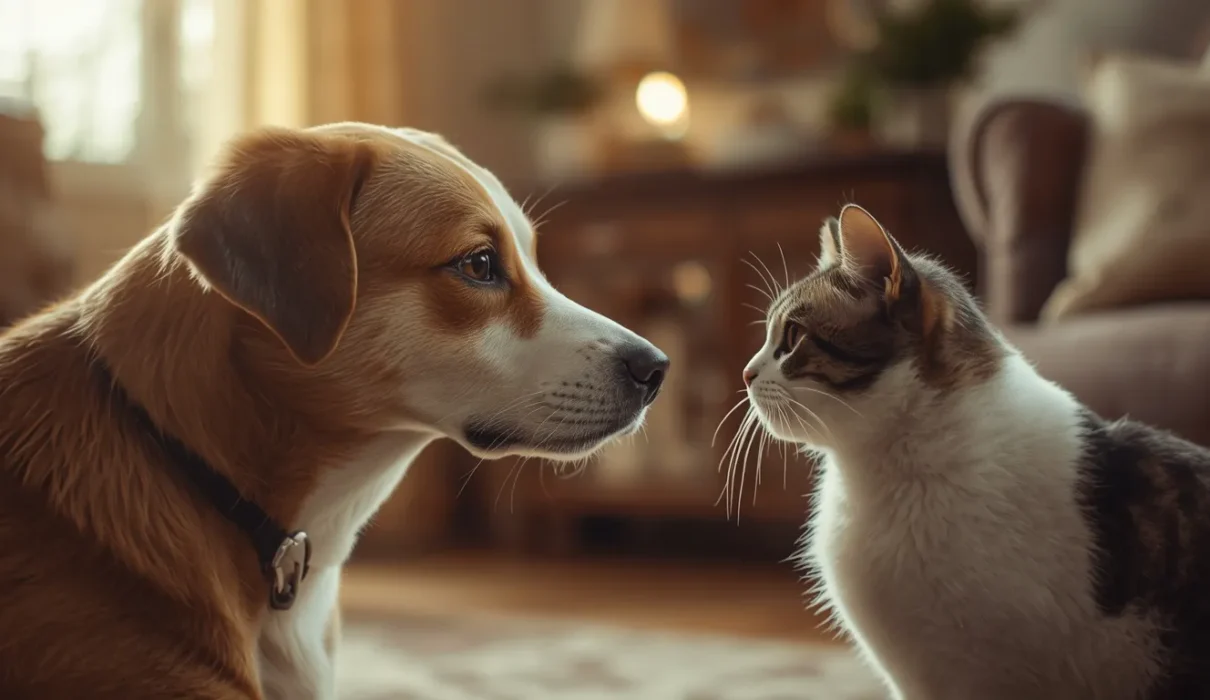
By I think a lot of people imagine the same thing when bringing a cat and dog together.
The dog walks in.
The cat walks over.
They sniff each other.
And suddenly they’re best friends.
Unfortunately, real life usually doesn’t work that way.
In fact, some of the biggest problems happen when introductions move too fast.
A nervous cat may feel trapped.
An excited dog may come on too strong.
And what should have been a gradual process suddenly becomes stressful for everyone involved.
The good news?
Many cats and dogs can learn to live together peacefully.
Some even become close companions.
But in my experience, success usually comes from patience rather than luck.
If you’re wondering how to introduce a cat to a dog, these steps can help create a safer and less stressful first meeting.
Why Rushing the Introduction Often Creates Problems
One thing that surprised me was how differently cats and dogs experience new situations.
Many dogs are naturally curious.
They want to investigate immediately.
They may run toward a new animal with excitement.
Cats often approach things differently.
Most cats prefer:
- observing first
- having escape routes
- controlling distance
- feeling safe before interacting
What feels friendly to a dog can sometimes feel overwhelming to a cat.
That’s why slow introductions usually work better than sudden ones.
The goal isn’t immediate friendship.
The goal is helping both pets feel safe.
Stress sometimes appears in unexpected ways, including repetitive behaviors
like excessive paw chewing. Learn more about why dogs chew their paws.
Step 1: Create Separate Safe Spaces
Before your cat and dog ever meet, set up separate areas for each pet.
Your cat should have access to:
- food and water
- litter box
- hiding spots
- elevated resting areas
- a quiet room if possible
Your dog should also have a comfortable area where they can relax without constantly focusing on the cat.
This first step gives both animals time to adjust to the idea of another pet living in the home.
And honestly?
This adjustment period is often more important than people realize.
Step 2: Introduce Scents Before Faces
Animals learn a lot through smell.
Long before they meet face-to-face, they can begin learning about each other through scent.
Some simple ways to do this include:
- swapping blankets
- exchanging bedding
- rotating toys
- placing items carrying one pet’s scent near the other
At first, your cat or dog may spend extra time sniffing.
That’s completely normal.
The goal is helping each pet realize:
“This new smell belongs here.”
When scent becomes familiar, the actual meeting often feels less overwhelming.
Step 3: Let Them Hear Each Other
Before visual introductions, many pets benefit from simply hearing each other exist.
Your dog may hear:
- the cat moving around
- jumping on furniture
- playing with toys
Your cat may hear:
- the dog walking
- tags jingling
- everyday dog noises
This stage sounds simple, but it helps make the other animal feel less mysterious.
The more normal they seem, the less stressful future introductions often become.
Step 4: Allow Visual Contact From a Safe Distance
This is usually the first real milestone.
At this stage, pets can see each other without direct access.
Some owners use:
- baby gates
- pet gates
- screen doors
- slightly opened doors
Keep these sessions short.
Maybe only a few minutes at first.
The goal isn’t interaction.
The goal is observation.
Both pets should have the freedom to walk away.
That freedom helps reduce pressure.
Step 5: Watch Body Language More Than Actions
This was probably the most useful thing I learned.
People often focus on obvious behaviors.
But body language usually tells the story much earlier.
Signs Your Dog Is Staying Relaxed
- loose body posture
- soft eyes
- calm curiosity
- responding to commands
- relaxed tail movement
Signs Your Cat Is Staying Relaxed
- normal grooming
- comfortable movement
- curiosity
- relaxed ears
- willingness to remain nearby
These signs suggest both animals are coping well with the introduction.
Signs You Should Slow Down
Some behaviors suggest a pet needs more time.
Examples include:
- growling
- hissing
- lunging
- intense staring
- raised fur
- repeated attempts to chase
- hiding constantly
If you notice these signs, moving more slowly is usually the better option.
Progress is rarely lost by slowing down.
It can sometimes be lost by rushing.
Step 6: Begin Short Supervised Meetings
Once both pets appear comfortable seeing each other, you can begin carefully supervised interactions.
This is where many owners get excited.
And honestly?
That’s understandable.
But it’s still important to stay patient.
Keep the dog on a leash initially.
Allow both pets to observe one another naturally.
Avoid forcing:
- nose-to-nose greetings
- close interactions
- physical contact
Sometimes the best first meeting is surprisingly boring.
And that’s actually a good sign.
Step 7: Give Your Cat Easy Escape Routes
This step is often overlooked.
But honestly, it can make a huge difference.
Cats generally feel more confident when they know they have options.
A cat that feels trapped may become defensive.
A cat that knows it can leave usually feels much safer.
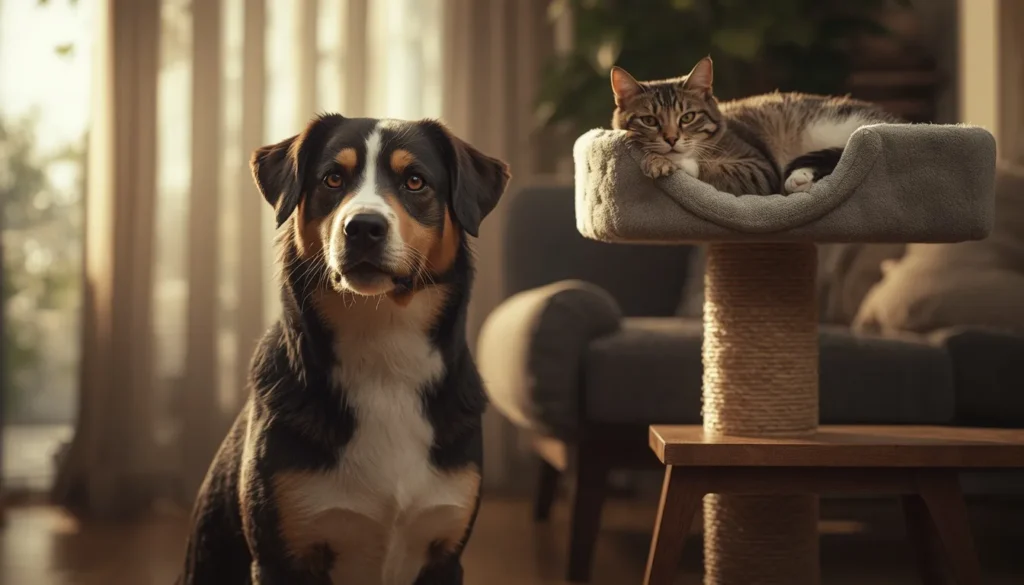
Try providing:
- cat trees
- shelves
- elevated furniture
- separate rooms
- hiding spots
Your cat should always be able to move away from the dog if they want to.
The goal is choice.
Not forced interaction.
Interestingly, many cats become more willing to approach a dog once they realize they don’t have to.
Step 8: Reward Calm Behavior From Both Pets
One mistake many owners make is only reacting when something goes wrong.
Instead, pay attention to the moments when things go right.
For example:
- the dog looks at the cat and remains calm
- the cat stays relaxed in the same room
- both pets ignore each other peacefully
- the dog responds to cues around the cat
These moments deserve attention.
Praise.
Treats.
Positive experiences.
The more positive associations both animals build, the more comfortable future interactions often become.
Step 9: Gradually Increase Time Together
Once early meetings are going well, start increasing the amount of supervised time both pets spend together.
There is no perfect timeline.
Some households move through this stage quickly.
Others need several weeks.
The important thing is watching the pets rather than following a calendar.
If interactions remain calm, you can slowly increase freedom and time together.
If tension appears, simply take a step back.
That isn’t failure.
It’s part of the process.
Common Mistakes That Make Introductions Harder
Moving Too Fast
This is probably the biggest mistake.
Many problems start because owners become excited after one good interaction.
A single successful meeting doesn’t always mean the pets are fully comfortable.
Slow progress is usually more reliable.
Forcing Interaction
Some owners place pets directly next to each other because they want them to become friends.
Unfortunately, this can create stress.
Cats and dogs often do better when allowed to approach at their own pace.
Punishing Fearful Behavior
Fear should never be punished.
If a cat hides or a dog seems nervous, punishment may simply make the situation feel more threatening.
Instead, focus on helping both pets feel safe.
Ignoring Small Warning Signs
Major conflicts rarely appear without warning.
Body language often changes first.
That’s why paying attention to:
- staring
- tension
- avoidance
- nervousness
can help prevent bigger issues later.
How Long Does It Take for a Cat and Dog to Get Along?
This is probably one of the most common questions owners ask.
And honestly?
There isn’t one answer.
Some pets become comfortable within a few days.
Others may need:
- several weeks
- a month
- sometimes longer
Factors that affect the timeline include:
- age
- personality
- previous experiences
- energy levels
- confidence
Progress matters far more than speed.
A slow introduction that succeeds is usually better than a fast introduction that creates problems.
What If My Dog Seems Too Excited?
Excitement can sometimes be one of the biggest challenges.
An excited dog may:
- stare constantly
- follow the cat everywhere
- try to chase
- struggle to focus
This doesn’t automatically mean aggression.
Often, it simply means the dog needs more time and guidance.
If your dog also struggles with excitement around visitors, noises or daily events,
you may also want to read our guide on how to stop a dog from barking.
What If My Cat Keeps Hiding?
Many cats hide during the adjustment period.
This is completely normal.
Hiding often means:
“I don’t feel comfortable yet.”
It doesn’t necessarily mean the introduction is failing.
Give your cat:
- time
- space
- predictable routines
- safe places to retreat
Confidence often develops gradually.
Some cats need longer than others.
And that’s okay.
Big household changes can sometimes be stressful for pets. If your dog struggles when
separated from family members, our guide on separation anxiety in dogs may also help.
Signs Your Cat and Dog Are Starting to Accept Each Other
Many people expect a dramatic moment when friendship begins.
In reality, the signs are often much quieter.
For example:
- resting in the same room
- ignoring each other
- calm curiosity
- relaxed body language
- comfortable daily routines
Honestly?
Ignoring each other peacefully is often a huge success.
It means neither pet feels threatened.
And that’s a great foundation to build on.
A Small Thing I Eventually Realized
When people imagine introducing a cat and dog, they often picture instant friendship.
But successful introductions rarely happen that way.
Most of the time, trust develops through dozens of small interactions.
A calm glance.
A peaceful afternoon in the same room.
A moment where neither animal feels the need to react.
Those little moments may not seem exciting.
But they are often exactly how strong relationships begin.
And honestly?
Helping a cat and dog feel safe around each other is usually far more important than trying to make them become best friends overnight.
This experience is part of my journey with Pet Calm Care, where I share what I’m learning while trying to better understand the emotional lives of pets and help create calmer homes for everyone involved.
