

 By
By (What I started noticing when winter arrived)
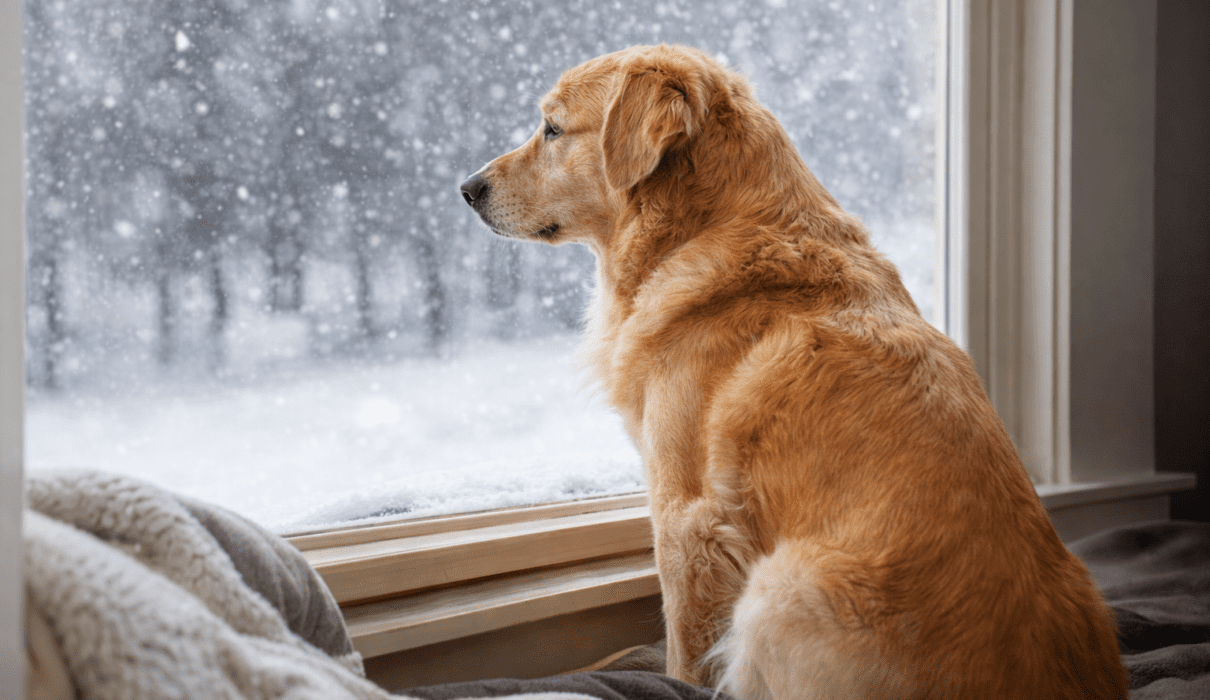
When winter first started, I honestly didn’t think much about it.
Cold weather comes every year, right?
But after a few weeks, I started noticing small changes in my dog.
Nothing dramatic.
Just little things that didn’t feel normal.
• More restlessness at night
• Less excitement for walks
• Pacing around the house
• Needing more attention than usual
At first, I ignored it.
Later, I realized this wasn’t just winter laziness.
This was anxiety.
Why winter affects dogs more than we think
Winter quietly changes a dog’s entire routine.
And dogs feel routine changes much more deeply than we do.
Here’s what I noticed and learned.
Less exercise builds up nervous energy
Cold weather means shorter walks.
Sometimes no walks at all.
When a dog doesn’t burn energy, that energy doesn’t disappear.
It turns into:
• Restlessness
• Panting
• Pacing
• Frustration
I learned that lack of exercise is one of the biggest winter anxiety triggers.
Being indoors all day causes boredom
Dogs love variety.
New smells.
Different sounds.
Changing environments.
Winter limits all of that.
Same rooms.
Same views.
Same routine.
Over time, boredom slowly turns into anxiety.
Winter noises can be stressful
This surprised me the most.
Winter brings sounds we barely notice:
• Heaters turning on and off
• Strong winds
• Storms
• Snow plows at night
Dogs hear everything louder than we do.
For sensitive dogs, these noises create constant alertness.
Especially at night.
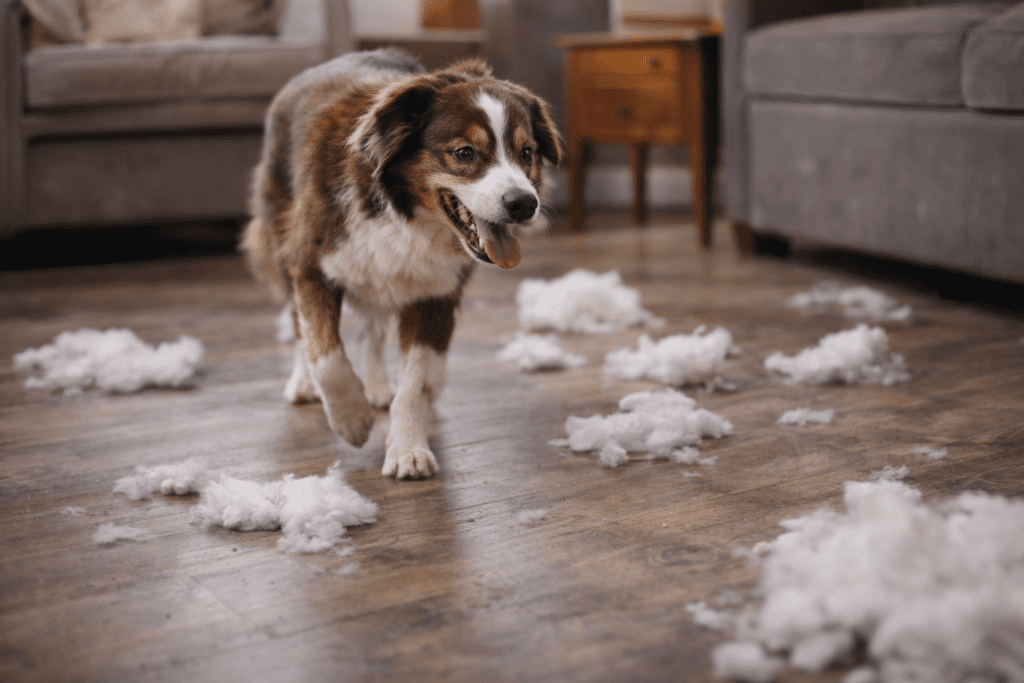
Signs of winter anxiety I personally noticed
Every dog is different, but these signs kept showing up:
• Trouble settling down at night
• Walking around with no purpose
• Excessive panting indoors
• Becoming unusually clingy
• Reacting strongly to small noises
If you’re seeing these mostly during winter, it’s worth paying attention.
Why anxiety feels worse at night in winter
Winter nights are long and quiet.
Less stimulation means the mind starts focusing on every sound.
Dogs are naturally alert animals.
So at night, anxiety often feels stronger.
That’s why many dog owners notice pacing, whining or wake-ups during winter nights.
Senior dogs struggle even more in winter
If your dog is older, winter can be especially hard.
Cold weather can cause:
• Joint stiffness
• Slower movement
• Less confidence
I’ve noticed senior dogs often need more reassurance during winter.
Patience and comfort matter a lot here.
What I do to help my dog stay calm in winter
Over time, I realized that helping my dog stay calm in winter was less about doing one
big thing and more about making a few small daily changes that helped him feel safe, engaged and settled.
The biggest shift came when I stopped expecting winter to feel normal for him.
The colder weather had changed his routine, his activity level and even the sounds inside the house.
Once I accepted that, I started building a winter routine around what he actually needed.
1. I keep his routine as consistent as possible
Dogs often feel calmer when they know what to expect.
During winter, shorter days and colder mornings can easily throw off the usual rhythm.
I now try to keep his feeding, walks, playtime and bedtime at the same time every
day, even if the walks are shorter than usual.
This consistency helps reduce that restless, unsettled feeling many dogs experience
in colder months.
For example, even on very cold days, I still take him out at his regular morning time
so the day begins in a familiar way.
2. I focus more on mental stimulation indoors
One of the biggest reasons winter anxiety got worse for my dog was boredom.
Because he was spending more time inside, he had less physical and mental release.
This is where indoor enrichment made a huge difference.
Some of the things that worked best for us were:
- snuffle mat sessions
- treat puzzles
- hide-and-seek games
- short training refresh sessions
- frozen lick mats
Even 10–15 minutes of focused mental activity helped him settle better afterward.
Sometimes a mentally tired dog is calmer than a physically tired one.
3. I make his resting space extra comforting
Winter can make dogs seek warmth and security more than usual.
I noticed my dog settled much faster when his sleeping area felt cozy and predictable.
I made sure he had:
- a soft, warm bed
- his favorite blanket
- a quiet corner away from drafts
- dim lighting in the evening
Sometimes I even place one of my worn T-shirts nearby so the familiar scent helps him relax.
Small comfort details matter more than we realize.
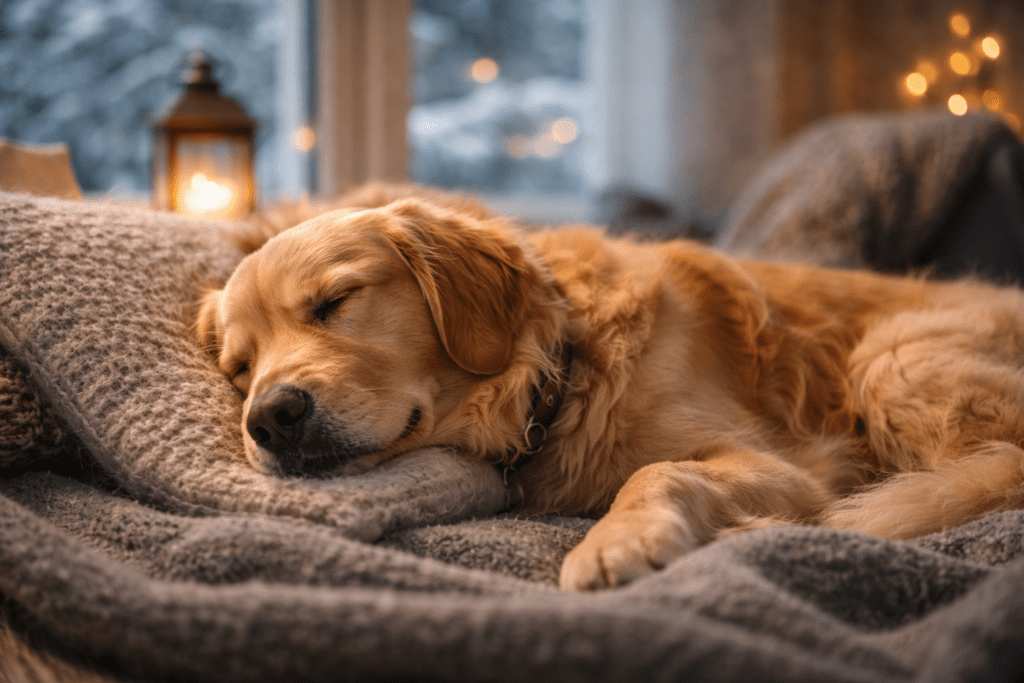
4. I manage evening restlessness before it builds
For us, winter evenings were always the hardest.
Once it got dark, he became more alert and reactive.
So instead of waiting for the pacing to start, I now proactively create a calming evening routine.
This usually includes:
- a short indoor play session
- a lick mat or chew
- soft background sound
- low lighting
- quiet cuddle time
By helping him transition smoothly into bedtime, his night anxiety improved significantly.
5. I pay close attention to indoor sounds
One thing I almost missed was how much winter household noises affected him.
The heater switching on, windows rattling in the wind or even rain tapping on the
glass could make him tense.
Now I try to soften these triggers where possible.
Sometimes I use a gentle white noise machine or keep a soft fan running to reduce
sudden sound changes.
This helped him stay much calmer, especially at night.
6. I give him more reassurance without creating dependence
In winter, many anxious dogs become clingier.
I noticed my dog followed me around more and wanted to stay close.
Instead of pushing him away, I gave calm reassurance while still encouraging independent rest.
A gentle touch, calm voice and letting him stay near me often helped him settle faster.
Sometimes what an anxious dog needs most is simply the feeling that nothing is wrong.
When winter anxiety should not be ignored
Mild anxiety is common during seasonal changes.
But if you notice:
• Anxiety getting worse over time
• Destructive behavior
• Extreme fear or withdrawal
That’s a sign to seek professional guidance.
Early support can prevent long-term problems.
Reader Questions I Had During Winter
Is it normal for dogs to seem more anxious only during winter months?
Yes. Winter changes routine, stimulation and movement all at once. For many dogs, especially sensitive ones, that disruption can show up as anxiety rather than obvious behavior problems.
My dog gets restless mostly at night in winter. Is that connected?
Very often, yes. Longer, quieter nights mean fewer distractions and more focus on sounds and sensations. Anxiety that stays manageable during the day can surface more strongly at night.
If my dog isn’t getting long walks in winter, can that really affect anxiety?
Absolutely. Reduced physical movement often leads to nervous energy rather than calm. Even short but consistent walks help regulate the nervous system.
How can I tell the difference between winter boredom and winter anxiety?
Boredom usually looks mild and temporary. Anxiety tends to repeat, intensify at certain times (like night) and include signs like pacing, panting or difficulty settling.
Do senior dogs experience winter anxiety differently?
Yes. Older dogs may feel more vulnerable due to joint stiffness, slower movement or reduced confidence. Winter can amplify those feelings, making reassurance and routine even more important.
Should I be worried if these behaviors disappear when winter ends?
Not necessarily. Seasonal anxiety can ease as routines normalize. But noticing the pattern helps you support your dog earlier next winter instead of reacting when anxiety builds again.
Final thoughts
Winter anxiety in dogs is real.
It’s quiet, subtle and often misunderstood.
Most dogs aren’t misbehaving.
They’re just trying to cope with change.
A little structure, patience and understanding can make winter much easier for them.
Sometimes, the calm your dog needs starts with you.
This experience is part of my journey with Pet Calm Care.

1 Comment