

 By
By Most dog owners don’t spend much time thinking about their dog’s bathroom habits – until something seems wrong.
Maybe your dog is squatting repeatedly but producing little or nothing.
Maybe bowel movements have become less frequent than usual.
Or perhaps your dog seems uncomfortable, restless or strained when trying to poop.
Seeing these changes can be concerning.
The good news is that mild constipation can sometimes improve with simple adjustments to your dog’s routine. However, constipation can occasionally signal a more serious issue, which is why it’s important to understand what’s happening and when professional help may be needed.
If you’re wondering how to help a constipated dog, this guide will walk through the common causes, signs to watch for and safe ways to support your dog’s digestive health.
What Is Constipation in Dogs?
Constipation occurs when a dog has difficulty passing stool or passes stool less often than normal.
A constipated dog may:
- Strain during bowel movements
- Produce small, dry stools
- Take longer than usual to poop
- Attempt multiple times without success
Every dog has slightly different bathroom habits, so what’s normal for one dog may not be normal for another.
The key is noticing changes from your dog’s usual routine.
Signs Your Dog May Be Constipated
Constipation isn’t always obvious at first.
Some signs include:
Frequent Straining
Your dog repeatedly squats but produces little or no stool.
Dry, Hard Stool
When stool does appear, it may look unusually dry or hard.
Less Frequent Bowel Movements
Your dog may go much longer than usual between bathroom trips.
Discomfort or Restlessness
Some dogs become uncomfortable when they need to poop but cannot do so easily.
Reduced Appetite
Digestive discomfort may sometimes affect appetite.
Lethargy
Some dogs appear less energetic when constipation persists.
Common Causes of Constipation in Do
Understanding the cause often helps determine the best solution.
1. Not Drinking Enough Water
Proper hydration helps keep stool softer and easier to pass.
Dogs that don’t drink enough water may be more likely to develop constipation.
2. Lack of Exercise
Physical activity helps stimulate healthy digestion.
Dogs that are inactive may sometimes experience slower bowel movements.
3. Low-Fiber Diet
Fiber plays an important role in digestive health.
A diet lacking appropriate fiber may contribute to constipation in some dogs.
4. Eating Things They Shouldn’t
Dogs sometimes swallow:
- Hair
- Grass
- Bones
- Fabric
- Small objects
These items can interfere with normal digestion.
Some dogs regularly eat grass, which can raise questions about digestion
and stomach health. Learn more about why dogs eat grass.
5. Age-Related Changes
Senior dogs may experience digestive changes that affect bowel regularity.
6. Certain Medications
Some medications can affect digestion and contribute to constipation.
If constipation begins after starting a new medication, discuss it with your veterinarian.
How to Help a Constipated Dog
Now let’s look at practical steps that may help.
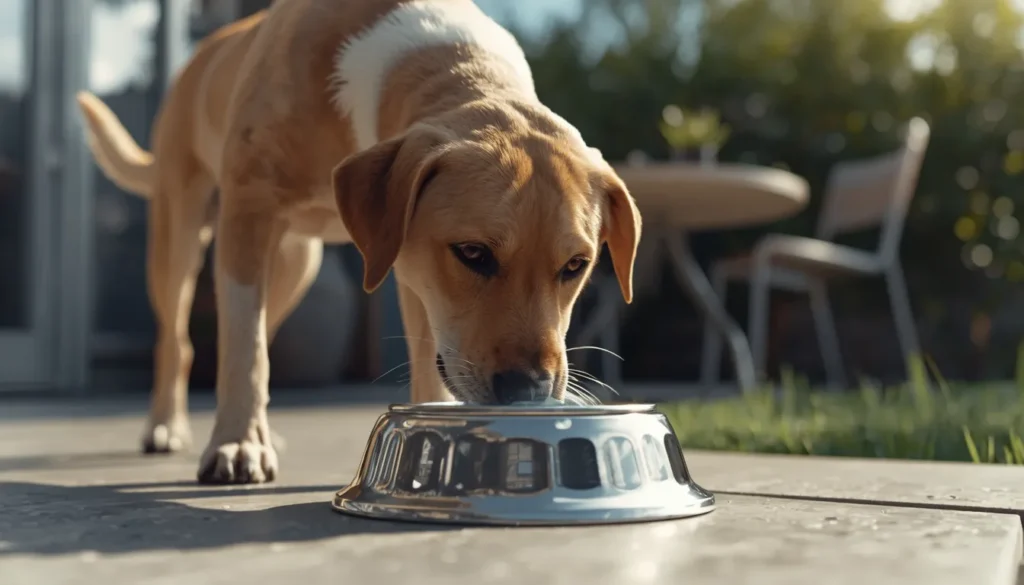
1. Encourage More Water Intake
Hydration is one of the simplest things to check first.
You can encourage drinking by:
- Keeping water bowls clean
- Providing fresh water regularly
- Offering multiple water stations around the home
Proper hydration supports healthy digestion and stool consistency.
Hydration plays an important role in many aspects of canine health. If you’ve noticed
unusual drinking habits, you may also want to read why dogs drink a lot of water.
2. Increase Daily Exercise
Movement helps stimulate the digestive system.
Depending on your dog’s age and health, consider:
- Extra walks
- Play sessions
- Interactive games
Even moderate activity can help encourage normal bowel movements.
3. Review Your Dog’s Diet
Diet plays a major role in digestive health.
Ask yourself:
- Has food changed recently?
- Is your dog getting balanced nutrition?
- Are treats making up too much of the diet?
Diet-related issues can sometimes contribute to digestive problems.
4. Monitor Bathroom Habits Closely
Pay attention to:
- Frequency of bowel movements
- Stool appearance
- Signs of straining
- Changes in behavior
The sooner you notice patterns, the easier it becomes to identify problems.
5. Encourage Regular Bathroom Opportunities
Some dogs delay bowel movements if they don’t have enough opportunities to go outside.
A consistent schedule often helps.
Try maintaining regular:
- Walk times
- Feeding times
- Bathroom breaks
Routine can support healthy digestion.
6. Check for Stress and Routine Changes
Dogs can sometimes experience digestive changes during stressful periods.
Examples include:
If you’ve recently experienced major changes, your dog’s digestive system may need time to adjust.
Some dogs also respond to stress through vocal behaviors. Learn more about how to stop a dog from barking.
7. Ask Your Veterinarian About Fiber Options
Fiber may help some dogs, but every situation is different.
Instead of guessing, it’s usually best to discuss dietary adjustments with your veterinarian.
This is especially important if constipation keeps returning.
What NOT to Do When Your Dog Is Constipated
When owners see their dog struggling to poop, it’s natural to want a quick solution.
Unfortunately, some well-intentioned actions can make the situation worse.
Don’t Give Human Laxatives
This is one of the biggest mistakes owners make.
Many human medications are not safe for dogs.
Even products that seem harmless can cause:
- dehydration
- diarrhea
- digestive upset
- serious complications
Never give a laxative without veterinary guidance.
Don’t Force Home Remedies From the Internet
The internet is full of constipation “cures.”
The problem?
Not every dog is constipated for the same reason.
What helps one dog may not help another.
And in some situations, it may actually delay proper treatment.
Don’t Ignore Symptoms for Several Days
Mild constipation may improve.
Persistent constipation should not be ignored.
The longer stool remains in the digestive tract, the harder it may become to pass.
Don’t Assume Every Straining Dog Is Constipated
This surprised me when I first learned it.
Dogs may strain because of:
- constipation
- urinary problems
- digestive discomfort
- other medical issues
That’s why looking at the full picture matters.
When Should You Call a Veterinarian?
A veterinarian should be contacted if:
- constipation lasts more than a day or two
- symptoms continue getting worse
- your dog seems painful
- vomiting occurs
- appetite decreases significantly
- blood appears
- your dog has a history of digestive problems
Honestly, if something feels unusual, it’s usually worth asking.
Trusting your instincts as an owner matters.
Frequently Asked Questions
How long can a dog go without pooping?
The answer varies depending on the dog, diet and routine.
However, a noticeable change from your dog’s normal schedule deserves attention.
Can stress cause constipation in dogs?
Sometimes, yes.
Major changes in routine, travel, boarding or household changes may affect digestion in some dogs.
If your dog has also shown behavioral changes, our guide on why dogs suddenly become anxious may help.
Should I keep walking my constipated dog?
Gentle exercise may help support normal digestive movement in many cases.
However, if your dog appears sick, painful, or extremely uncomfortable, consult your veterinarian.
Can dehydration make constipation worse?
Yes.
Proper hydration helps keep stool softer and easier to pass.
A Small Thing I Eventually Realized
When a dog is constipated, it’s easy to focus only on the symptom.
The missed bowel movement.
The straining.
The discomfort.
But over time, I realized that constipation is often a signal.
A signal that something in the dog’s routine, hydration, diet, activity level or overall health may need attention.
Sometimes the solution is simple.
Sometimes it requires professional help.
The important thing is paying attention early rather than waiting for the problem to become bigger.
And honestly?
Most dogs give us small clues long before a situation becomes serious.
Learning to notice those clues can make a huge difference.
This experience is part of my journey with PetCalmCare, where I share what I’m learning while trying to better understand our dogs and help owners feel more confident when everyday health concerns arise.
Stress can sometimes contribute to other behavior changes as well, including house-training setbacks. Learn more about
how to stop a dog from peeing in the house.

1 Comment