

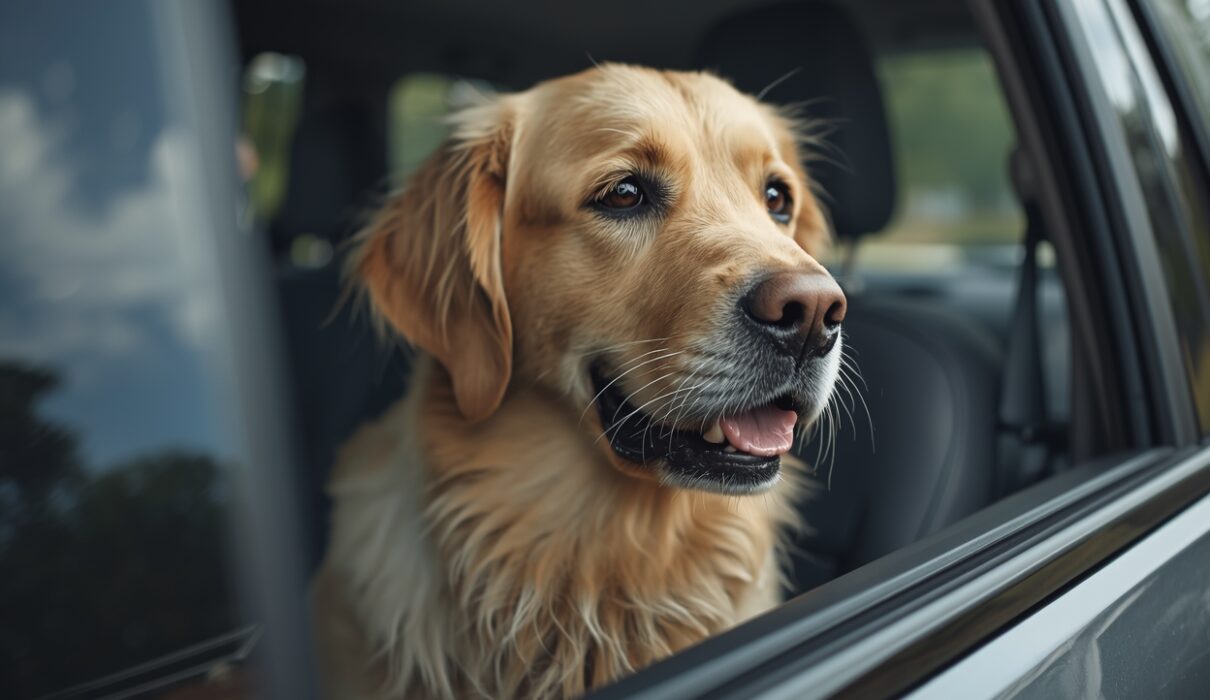
 By
By My dog used to get anxious during car rides and I couldn’t figure out why.
Even short trips felt stressful for him- panting, restlessness and refusing to settle.
Over time, I realized that dog anxiety during car rides isn’t just about the ride
itself -it starts much earlier and understanding that changed everything.
Why Dog Anxiety Happens During Car Rides
At first, I thought my dog just didn’t like the car.
But the more I observed, the clearer it became that there wasn’t just one reason.
It was a mix of experiences, physical discomfort and uncertainty.
1. Past Negative Experiences
If a dog has had a bad experience in the car -like a vet visit, sudden braking or feeling sick-
it can create a lasting association.
Even if the ride is calm now, their memory tells them something is wrong.
2. Motion Sickness (Often Overlooked)
This was something I almost missed.
Some dogs don’t show obvious signs like vomiting.
Instead, they:
- avoid getting into the car
- refuse food before travel
- drool or swallow more
It helped a lot once I understood the
difference between travel anxiety and motion-related discomfort in dogs.
3. Lack of Familiarity
For many dogs, the car is not a normal environment.
It moves unpredictably, has unfamiliar sounds and feels unstable.
Without gradual exposure, this can feel overwhelming.
4. Loss of Control
Dogs like stability.
In a moving car, they can’t control direction, movement or surroundings.
That lack of control can make them uneasy- even if everything seems fine to us.
Signs of Car Anxiety in Dogs
Not every dog reacts the same way.
Some show clear signs, while others are more subtle.
Here’s what I noticed:
- excessive panting
- drooling
- whining or barking
- shaking
- refusing to get into the car
- trying to climb to the front seat
- restlessness or pacing
Even one or two of these signs can indicate discomfort.
Before the Car Ride: What Made the Biggest Difference
This is where everything started to change for me.
I used to focus only on what happens inside the car.
But I realized that what you do before the ride matters just as much.
1. I stopped making the car a big event
Earlier, I would unintentionally build excitement or tension.
Picking up keys, calling him repeatedly, rushing out.
Now I keep things neutral.
No sudden energy shift.
This helped reduce anticipation anxiety.
2. I introduced the car slowly
Instead of jumping straight into long rides, I started small.
- sitting in the parked car
- short engine-on sessions
- very short drives
These small steps helped him feel safe without pressure.
3. I created positive associations
I changed what the car meant to him.
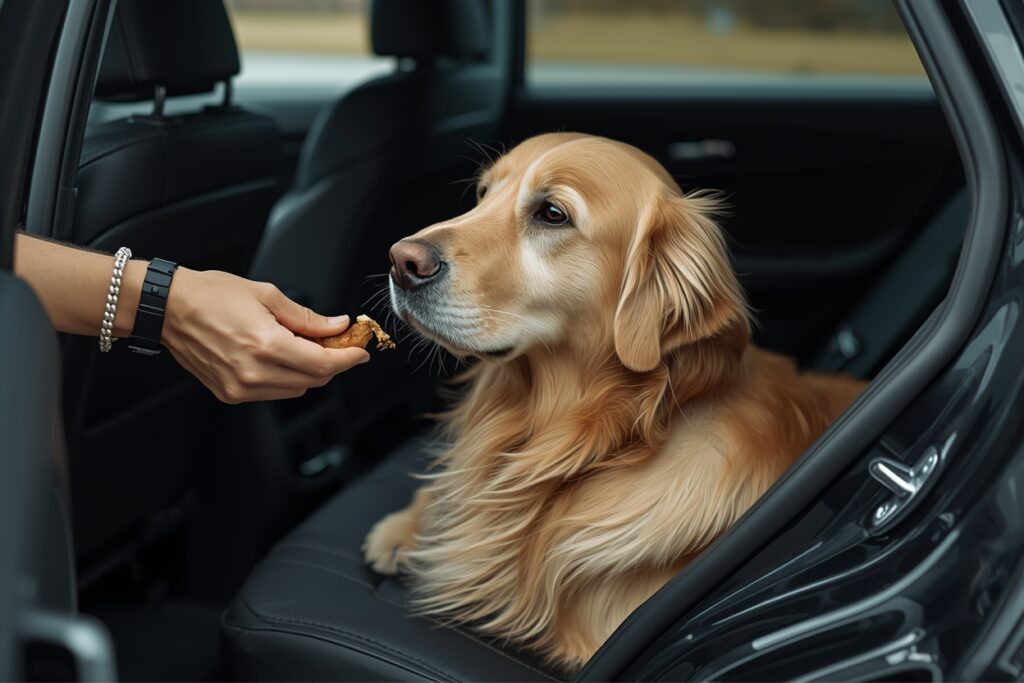
- treats only in the car
- calm praise
- short enjoyable rides
Over time, the car stopped being something to fear.
4. I adjusted feeding timing
I noticed that feeding right before travel didn’t always work well.
So I started:
- feeding a few hours before
- avoiding heavy meals just before rides
This reduced discomfort and hesitation.
5. I made the car feel more familiar
I added small things that carried comfort:
- his blanket
- a familiar scent
- his usual spot
That small familiarity made a big difference.
6. I made sure he wasn’t full of excess energy
A short walk before the ride helped release nervous energy.
He was calmer, more relaxed, and more willing to settle.
7. I kept my own energy calm
This was something I didn’t expect to matter so much.
If I was rushed or tense, he picked up on it instantly.
So I slowed down.
Calm voice.
Calm movements.
And that helped him feel more secure.
What Changed After Fixing the ‘Before Phase‘
This was the turning point.
Once I fixed what happens before the ride:
- he resisted less
- he entered the car more easily
- his overall anxiety reduced
And most importantly, the ride itself became easier to manage.
If your dog starts showing signs of anxiety even before the car ride begins,
I’ve shared a more detailed step-by-step approach in this guide.
During the Car Ride: What Helped My Dog Stay Calm
Once I fixed the ‘before’ phase, things improved.
But the real difference came from what I did during the ride itself.
1. I made his space stable and secure
Unstable footing was making him more anxious.
So I created a fixed space:
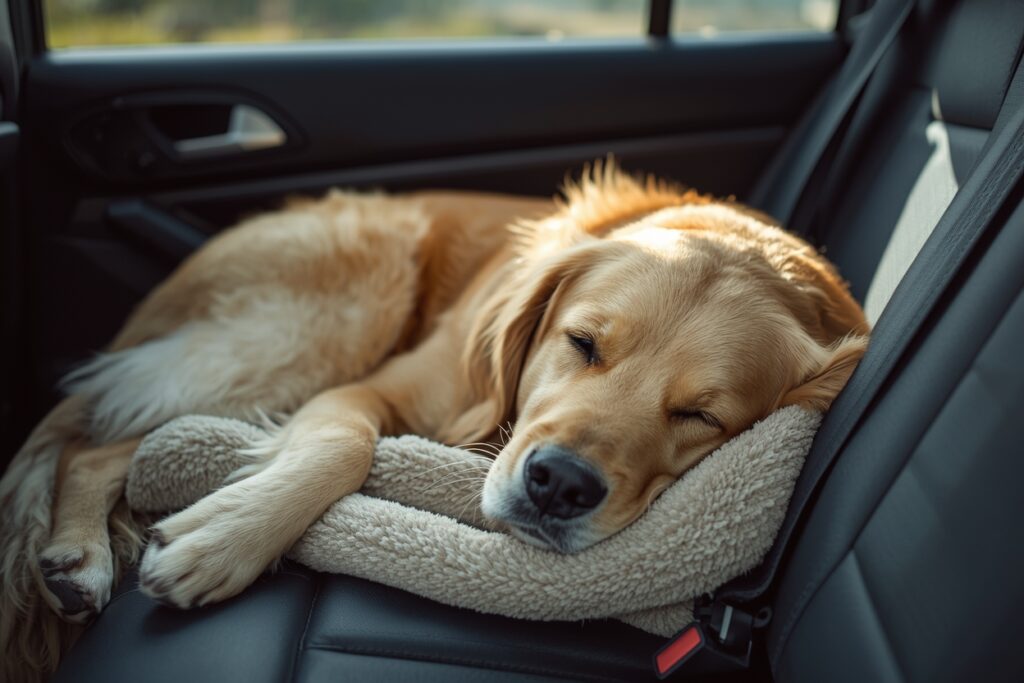
- a soft blanket
- a consistent spot
- no slipping surface
This helped him feel more grounded.
2. I kept the environment calm
Too much noise or sudden changes made him alert again.
So I focused on:
- smooth driving
- avoiding sudden braking
- keeping the car quiet
A calmer environment led to a calmer dog.
3. I avoided overstimulation
I used to talk to him constantly or try to distract him.
But that sometimes made things worse.
Now I let him settle on his own, without too much interaction.
4. I paid attention to early signs
Instead of waiting for full anxiety, I watched for early signals:
- posture change
- increased alertness
- restlessness
Catching it early helped me respond calmly.
5. I kept rides shorter when possible
Especially in the beginning.
Short, successful rides built confidence much faster than long stressful ones.
Travel Breaks: The Reset That Changed Everything
This was one of the most underrated things I discovered.
Breaks are not just for physical needs- they are mental resets.
What I started doing differently
- stopping every 60–90 minutes
- choosing quieter areas
- allowing slow sniff walks
- giving time before getting back in
These small breaks helped release built-up tension.
I’ve shared a more detailed breakdown of
what actually works during road trips and travel breaks in this guide.
Why this worked so well
Sniffing and walking allowed my dog to:
- process the environment
- release stress
- regain a sense of control
And that made the next part of the ride easier.
After the Car Ride: The Part I Used to Ignore
This was something I completely overlooked at first.
I assumed once we were home, everything would be normal.
It wasn’t.
What I noticed after coming home
- restlessness
- pacing
- difficulty settling
- increased alertness
That’s when I realized:
👉 anxiety doesn’t end when the ride ends
What helped him settle faster
1. I kept the return calm
No excitement. No sudden energy.
Just a quiet transition back home.
2. I returned to routine quickly
Routine helped him feel safe again.
- same feeding time
- same walk schedule
- same sleep pattern
3. I allowed decompression time
I didn’t expect him to settle instantly.
I gave him space to:
- walk around
- relax gradually
- reset at his own pace
4. I avoided overstimulation after travel
No loud environment.
No sudden changes.
Keeping things calm made a big difference.
I’ve explained in more detail how travel anxiety can continue even after coming home
and what helped my dog settle faster.
What Actually Worked for My Dog
After trying different things, I realized something important:
It wasn’t one trick.
It was a combination of small, consistent steps.
- calm preparation
- gradual exposure
- stable environment
- patience
Once these came together, his behavior started to change.
Advanced Solutions (When Basic Steps Aren’t Enough)
For some dogs, basic changes may not be enough.
That’s when I started exploring deeper solutions.
1. Gradual desensitization
Breaking the process into small steps:
- sitting in the car
- short rides
- slowly increasing duration
This builds long-term confidence.
2. Positive reinforcement training
Rewarding calm behavior:
- entering the car
- sitting quietly
- relaxing during rides
This reinforces the right response.
3. Addressing motion discomfort
If signs point to nausea:
- avoid feeding right before
- ensure airflow
- take more breaks
This can reduce hidden discomfort.
4. Professional help (if needed)
If anxiety is severe or persistent:
- behaviorist guidance
- vet consultation
can make a big difference.
Reader Questions
Can car ride anxiety be related to separation anxiety in dogs?
In some cases, yes. Dogs that struggle with being away from their owner may also feel stressed during car rides, especially when the environment feels unpredictable. Understanding separation anxiety in dogs can help you see how these behaviors may be connected.
Is it normal for a dog to be afraid of car rides even after multiple trips?
Yes, some dogs don’t automatically get used to car travel. Past experiences, sensitivity to movement or lack of gradual exposure can keep the anxiety consistent.
Why does my dog refuse to get into the car but seems fine once inside?
This often points to anticipation anxiety, where the fear is linked to the idea of the ride rather than the ride itself.
Why does my dog seem more anxious on longer road trips compared to short drives?
Longer trips usually involve more stimulation, unfamiliar environments and less control, which can increase stress levels.
Do certain times of day affect how anxious a dog feels during travel?
Yes, some dogs travel better during calmer parts of the day, especially when they are naturally more relaxed or tired.
Can loud noises like thunderstorms or fireworks make car anxiety worse in dogs?
Yes, noise sensitivity can increase a dog’s overall stress level, which may carry over into travel situations. If your dog reacts strongly to these triggers, it can help to also understand thunderstorm anxiety and fireworks anxiety.
What This Experience Taught Me
What I learned is that car anxiety isn’t just about the ride.
It starts before, builds during and sometimes continues after.
Once I stopped trying to fix just one part and started understanding the full experience,
things finally began to improve.
Not perfectly.
But enough to make travel feel manageable and sometimes even enjoyable.
This continues to shape my journey with Pet Calm Care.
If your dog also refuses food while traveling, it helps to understand what’s
really causing that behavior and how to handle it. I’ve explained this part in more detail here.
