

 By
By I first noticed it before the ride had even started.
The moment I picked up my keys, my dog’s body changed.
His ears went back.
He started pacing.
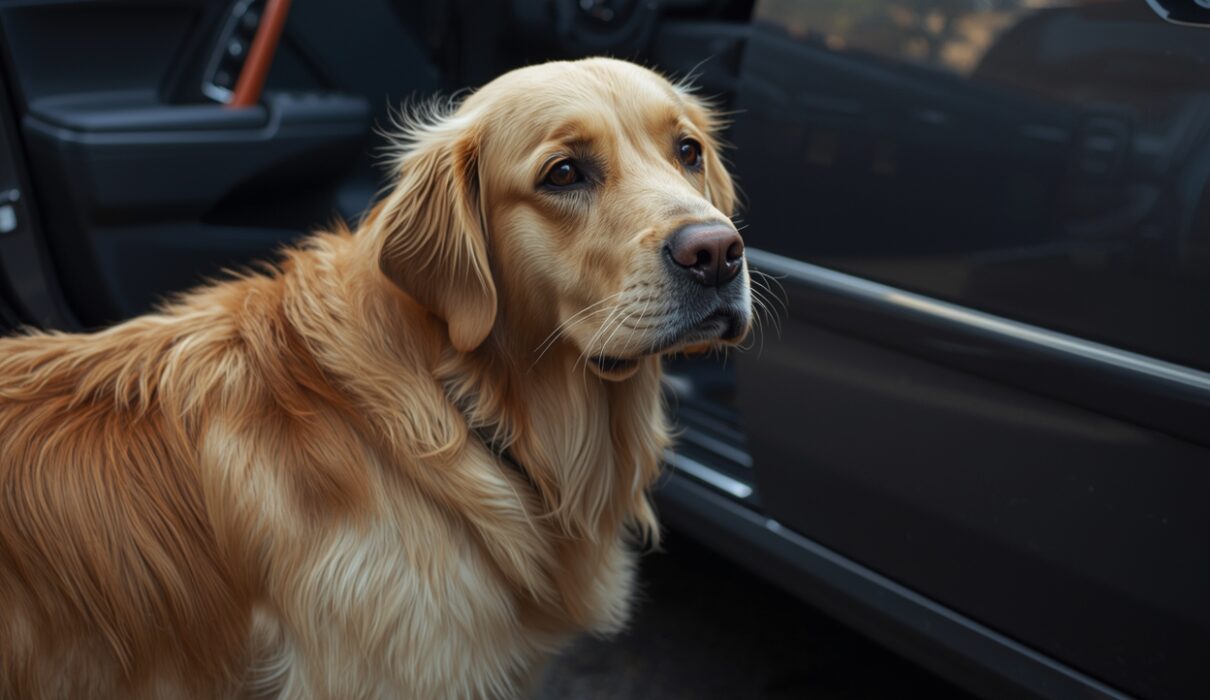
By the time we reached the car door, he was already trembling.
That was the moment I realized this wasn’t just about the drive itself.
The fear had started much earlier.
For many dogs, car anxiety begins before the engine even turns on.
This became an important part of my journey with Pet Calm Care.
Why Dogs Start Shaking Before the Car Moves
At first, I assumed the motion of the car was the problem.
But after watching my dog more closely, I realized the shaking started before any movement.
That usually points to anticipatory anxiety.
In simple terms, your dog has already connected the car with something stressful.
It could be:
- past nausea or motion sickness
- stressful vet visits
- grooming appointments
- unfamiliar places
- previous panic during travel
Dogs learn through patterns.
If every car ride has led to something uncomfortable, they begin to react the moment they recognize the routine.
For us, even the sound of the keys became a trigger.
The Early Signs I Started Noticing
The shaking was only one part of it.
Some of the earliest signs were:
- hesitation near the leash or keys
- following me anxiously when I started getting ready
- panting before leaving the house
- pacing near the door
- refusing to approach the car
- trembling before getting in
Once I started noticing these early signs, it became easier to help him before the fear escalated.
What I Realized Was Making It Worse
One thing I had to be honest about was the pattern we had unintentionally created.
For a while, almost every car ride meant something stressful.
The vet.
Grooming.
A noisy unfamiliar place.
So naturally, the car itself had become a warning sign.
This is where many dogs begin to shake before the ride even starts.
They are not reacting to the present moment.
They are reacting to what they expect is coming next.
What Finally Helped My Dog Feel Safer
This is the part that made the biggest difference for us.
I stopped focusing only on the drive.
Instead, I started helping him before we even left the house.
1. I changed the pre-car routine
The first thing I changed was the pattern leading up to the ride.
Instead of grabbing the keys and immediately heading out, I slowed everything down.
Sometimes I picked up the keys and then simply sat back down.
Nothing happened.
Other times I put on his leash, gave him a treat and stayed inside.
This helped break the automatic fear response.
Over time, the keys stopped meaning “something stressful is about to happen.”
2. I made the car visible without forcing him
For a few days, I didn’t even ask him to get in.
We simply walked to the parked car.
He sniffed around.
Got a treat.
Then we went back inside.
This small step helped rebuild trust.
No pressure.
No movement.
Just safe exposure.

3. I rewarded calm behavior near the car
The moment he approached the car calmly, I rewarded it.
Even standing beside the door without shaking became a win.
This part took patience, but it helped more than I expected.
Small positive associations slowly replaced the old fear.
4. I stopped making every ride stressful
This was probably the biggest shift.
I started taking him on very short rides that led nowhere stressful.
Just around the block.
Then back home.
Sometimes we drove to a quiet park for a sniff walk.
This helped him learn that not every ride ends in stress.
5. I gave him time before starting the engine
Even once he was inside, I didn’t rush to start the car.
I let him sit for a minute or two first.
A treat.
A calm voice.
A little reassurance.
Only after he seemed a bit more settled did I start the engine.
This helped reduce the immediate panic response.
What Helped After Repeated Shaking
The biggest lesson for me was understanding that this kind of fear doesn’t disappear overnight.
For us, progress came through repetition.
The same calm routine.
The same rewards.
The same short positive rides.
Over time, the shaking became less intense.
Then less frequent.
And eventually, much easier to manage.

Reader Questions
Why does my dog shake as soon as I pick up my keys?
Some dogs start reacting to the routine itself. Over time, they connect keys, shoes or the leash with a stressful car ride, which can trigger fear before you even leave the house.
Can dogs become afraid of the car after one bad experience?
Yes, they can. Even a single stressful ride, sudden braking, loud noise or motion sickness episode can create a strong negative association.
Why does my dog refuse to come near the car but seems fine otherwise?
This usually means the anxiety is linked specifically to the car environment rather than general fear. The car door, smell or past travel memories may be acting as triggers.
How can I make my dog feel safer before getting into the car?
Keeping the routine slow and predictable helps. Calm exposure, short positive sessions near the car and rewarding relaxed behavior can make a big difference over time.
Is this fear related to past vet visits or grooming trips?
Very often, yes. Dogs commonly associate the car with destinations they found stressful, which is why the shaking may begin even before the engine starts.
What This Journey Taught Me
What I learned is that fear often starts long before the obvious symptom.
By the time my dog was shaking, the anxiety had already been building
from the moment he saw the routine begin.
Helping him feel safe before the ride started changed everything.
This continues to shape my journey with Pet Calm Care.
Once shorter car rides started feeling easier, I also had to learn how to
help him stay calm during longer trips and rest stops. I’ve shared what
worked for us in my guide on dog anxiety during road trips and travel breaks.
