


 By
By The first time I took my dog on a longer road trip, I thought the hardest part would be the drive itself.
I was wrong.
The drive was only part of it.
What really caught me off guard was how anxious he became during the stops.
He was already a little restless in the car, but the moment we pulled into a gas
station or rest area, everything seemed to get worse.
The noise.
The strangers.
The smell of fuel.
The sound of doors opening and closing.
People walking past.
Cars pulling in and out.
It was simply too much.
He would start panting, scanning everything around him and sometimes refuse
to settle even after getting back in the car.
That was the moment I realized road trip anxiety is not just about the drive.
For many dogs, the breaks can be even more stressful than the ride itself.
This became an important part of my journey with Pet Calm Care.
Why Road Trips Feel More Stressful Than Normal Car Rides
Short drives and long road trips feel very different to a dog.
A quick ride around town is one thing.
A two-hour or six-hour drive with unfamiliar stops is something else entirely.
What makes road trips harder is the combination of triggers:
- long periods of movement
- fewer chances to fully relax
- unfamiliar smells
- loud rest stop noises
- strangers passing nearby
- traffic sounds
- sudden changes in routine
For sensitive dogs, every stop feels like entering a new environment.
That alone can trigger anxiety.
If your dog already struggles with shorter drives, long road trips can
feel even more overwhelming. I’ve shared the full step-by-step routine
in my guide on Dog Anxiety During Car Rides.
The First Signs I Started Noticing
For my dog, the signs began subtly.
At first it was just extra panting.
Then I noticed:
- pacing in the back seat
- repeated position changes
- refusing treats
- wide alert eyes at every stop
- hesitation getting back into the car
- restlessness even after returning home
The biggest sign for me was how difficult it became for him to settle after each break.
It felt like every stop reset his stress level.
At first, I also had to figure out whether what I was seeing was stress from the road
trip itself or physical nausea from the movement. If you’re unsure, I’ve shared the
difference in my guide on motion sickness vs anxiety in dogs during car travel.
What I Changed Before the Trip Started
One of the biggest things that helped was preparing before we even left.
I stopped treating road trips like a normal drive.
Now I prepare him the same way I would prepare for any potentially stressful event.
1. I make sure he gets a calm walk before leaving
Before long trips, I always take him out for a relaxed sniff walk.
Not a rushed bathroom break.
A proper decompression walk.
This helps release nervous energy before the drive begins.
2. I keep his setup familiar
I bring the same things every time:
- his regular blanket
- favorite chew
- familiar toy
- water bowl
The familiar scent helps the car feel less unpredictable.
What Helped During Travel Breaks
This was the biggest change for us.
Instead of treating stops as quick interruptions, I started using them as calming resets.
1. I choose quieter stops whenever possible
This made a huge difference.
Busy gas stations with loud trucks and lots of people were too overwhelming.
Now I try to stop at quieter rest areas or side parking spots whenever possible.
Less chaos = easier recovery.
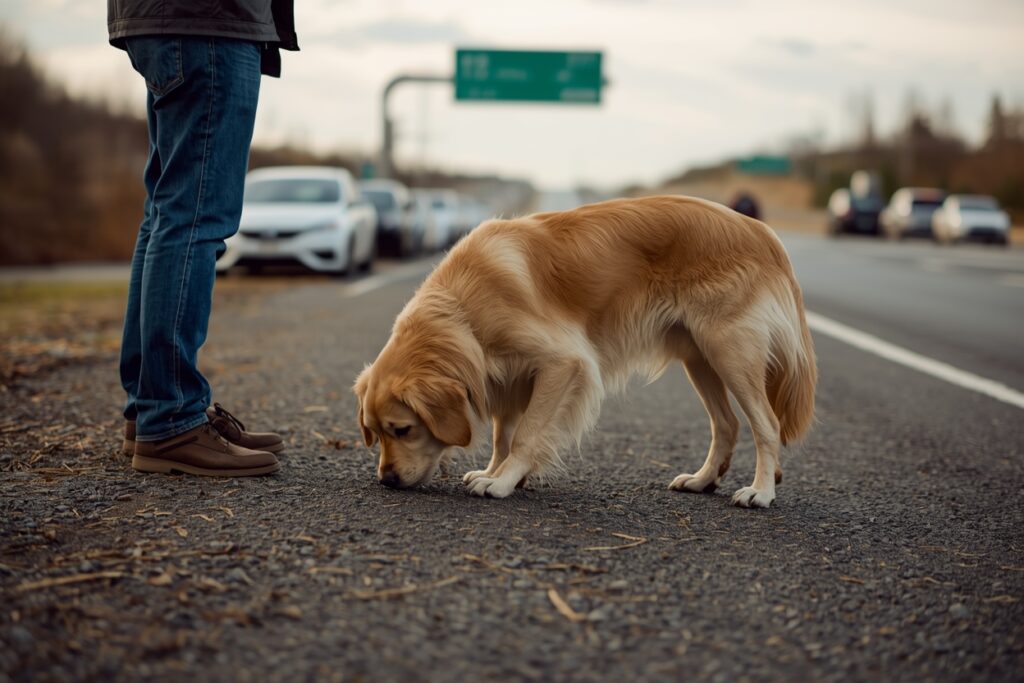
2. I give him a slow sniff break
Instead of rushing him out and back in, I let him sniff.
Sniffing helps dogs regulate stress.
Even a 5-minute slow sniff walk helps reset the nervous system.
This became one of the most helpful parts of our road trips.
3. I keep breaks predictable
Dogs do better with patterns.
Now every stop follows the same order:
- potty break
- short sniff walk
- water
- calm praise
- back into the car
Predictability helped reduce anxiety.
4. I avoid overstimulation at stops
One mistake I made early on was letting strangers come too close.
People often want to greet a dog at rest stops.
For anxious dogs, this can add more pressure.
Now I politely keep distance.
That alone reduced stress.
What Helped Once We Got Back in the Car
This part is often missed.
The stress doesn’t disappear the moment the break ends.
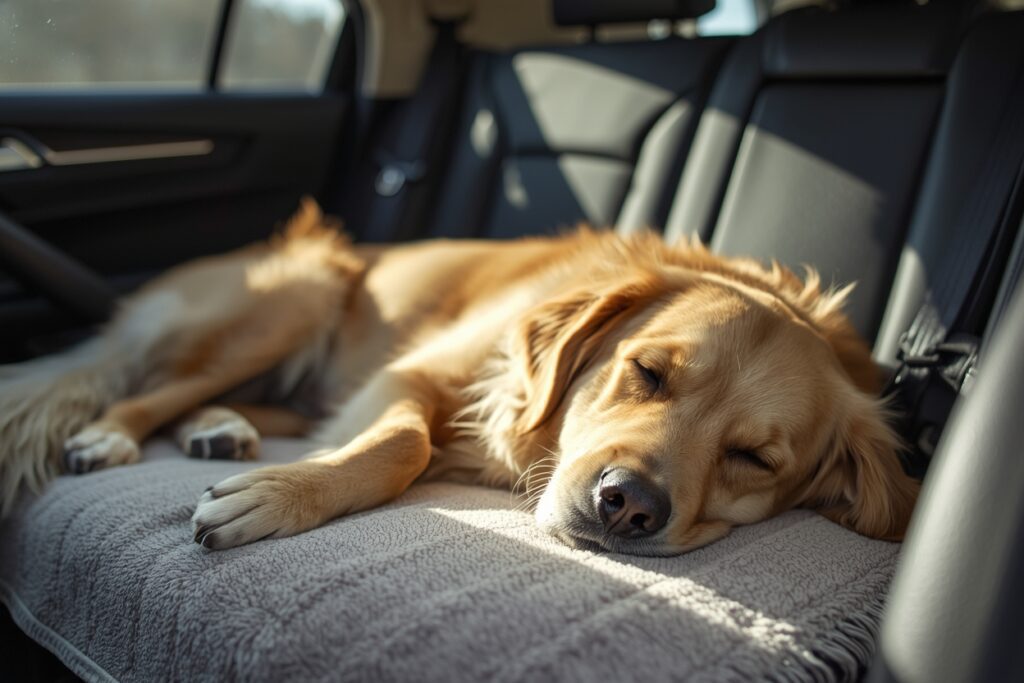
I help him settle again by:
- speaking softly
- offering his blanket
- giving a chew
- keeping the car quiet for a few minutes
This helps him transition back into the drive.
How I Helped Him Recover After the Trip
Long trips sometimes left him restless even after reaching home.
So I now give him a calm recovery routine.
For the first hour after arriving:
- no visitors
- no excitement
- water
- short decompression walk
- quiet rest area
This helped prevent leftover anxiety from carrying into the night.
Reader Questions
Why does my dog get more anxious at travel stops?
Stops often introduce sudden new smells, people and sounds, which can overwhelm sensitive dogs.
How often should I stop during a road trip?
Every 60–90 minutes usually works well for most dogs.
Should I let strangers pet my dog during stops?
For anxious dogs, it’s usually better to keep some distance.
Why won’t my dog get back in the car after a stop?
This can happen if the stop itself became overwhelming or if the dog is already associating the car with stress.
What This Journey Taught Me
What I learned is that road trip anxiety is rarely just about the road.
Sometimes the hardest part is everything in between.
The stops.
The noise.
The unfamiliar surroundings.
Once I started treating travel breaks as part of the calming routine instead of just quick interruptions, everything changed.
This continues to shape my journey with Pet Calm Care.
