

 By
By After a long trip, I expected my dog to relax the moment we got home.
But instead, he seemed restless, unsettled and not quite himself.
That’s when I realized that dog travel anxiety doesn’t always end when the journey ends.
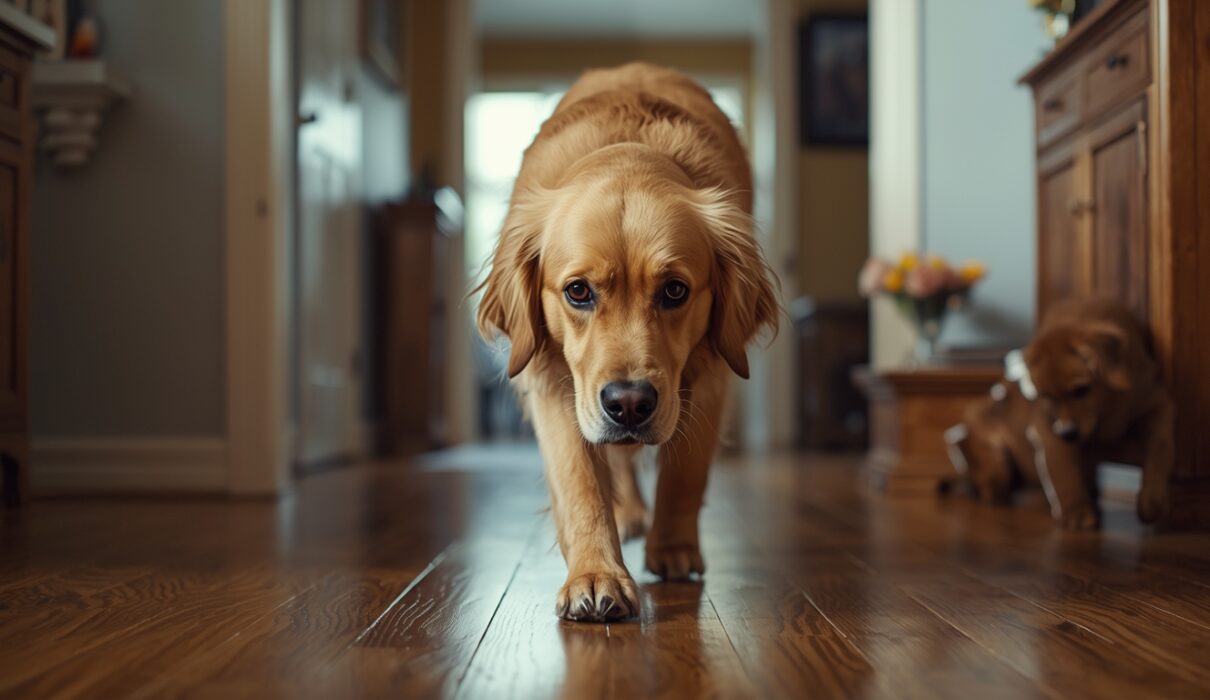
What I Noticed Right After Coming Home
The first few hours were the most confusing.
Instead of settling into his usual routine, my dog:
- kept walking around the house
- sniffed everything repeatedly
- struggled to lie down
- stayed more alert than usual
At first, I thought something was wrong.
But over time, I realized this was his way of processing the sudden shift from travel back to home.
Why Travel Anxiety Doesn’t End Immediately
One thing I didn’t understand before was how much travel affects a dog’s nervous system.
During a trip, dogs experience:
- constant movement
- new environments
- unfamiliar sounds
- disrupted routine
Even if they handle it well, their body stays in a slightly alert state.
So when you return home, they don’t instantly switch back to calm mode.
They need time to reset.
How Long It Lasted for My Dog
This was the biggest question I had.
From my experience:
First 24 hours
- restlessness
- increased alertness
- difficulty settling
24–72 hours
- gradually returning to routine
- better sleep
- less pacing
After 3 days
- mostly back to normal
But this wasn’t always exact.
Some trips affected him more than others.
What Affected His Recovery Time
I started noticing patterns.
Some trips were easy.
Some took longer to recover from.
The biggest factors were:
- how long the trip was
- how many new environments he experienced
- how stressful the stops were
- how well he rested during travel
More stimulation = longer recovery.
What Helped My Dog Settle Faster
This is where things improved the most.
Instead of expecting him to just relax, I started helping his body come down from travel mode.
1. I gave him a calm transition, not excitement
Earlier, I would greet him excitedly when we got home.
Now I keep it calm.
No loud voices.
No sudden energy.
This helped him shift into a relaxed state faster.
2. I returned to his normal routine quickly
Routine became the anchor.
Same feeding time.
Same walk schedule.
Same sleep pattern.
That predictability helped him feel safe again.
3. I used familiar scent cues to ground him
After travel, even home can feel slightly off to a dog.
So I started using familiar scent anchors:
- his regular blanket
- his favorite resting spot
- items that carried his scent
These small things helped him reconnect with the environment more quickly.
4. I allowed decompression time
Instead of expecting him to settle immediately, I gave him space.
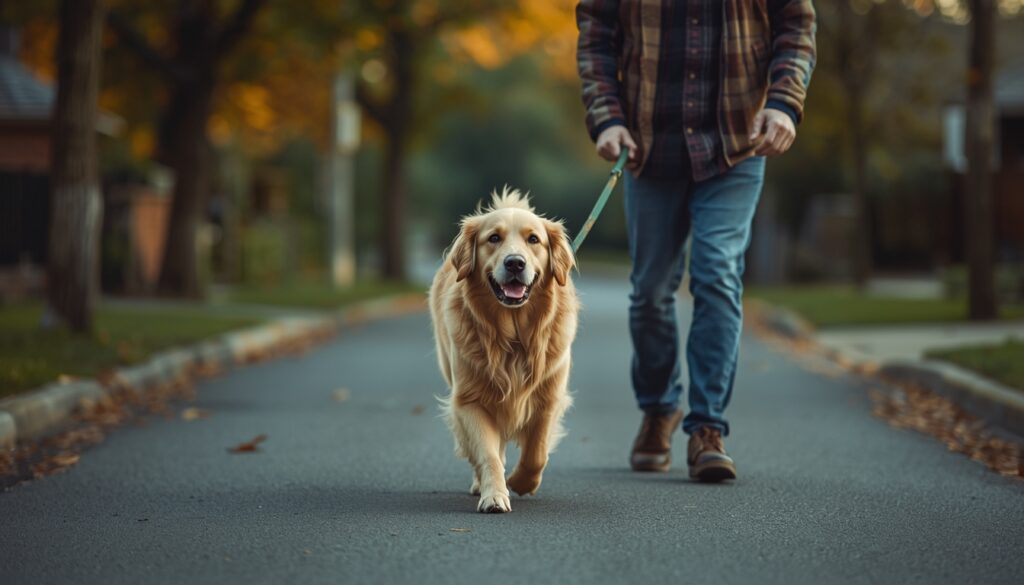
A short walk.
Quiet time.
No pressure to interact.
This helped him release leftover stress.
5. I avoided overstimulation after travel
No visitors.
No loud environment.
No sudden changes.
Keeping things calm made a huge difference.
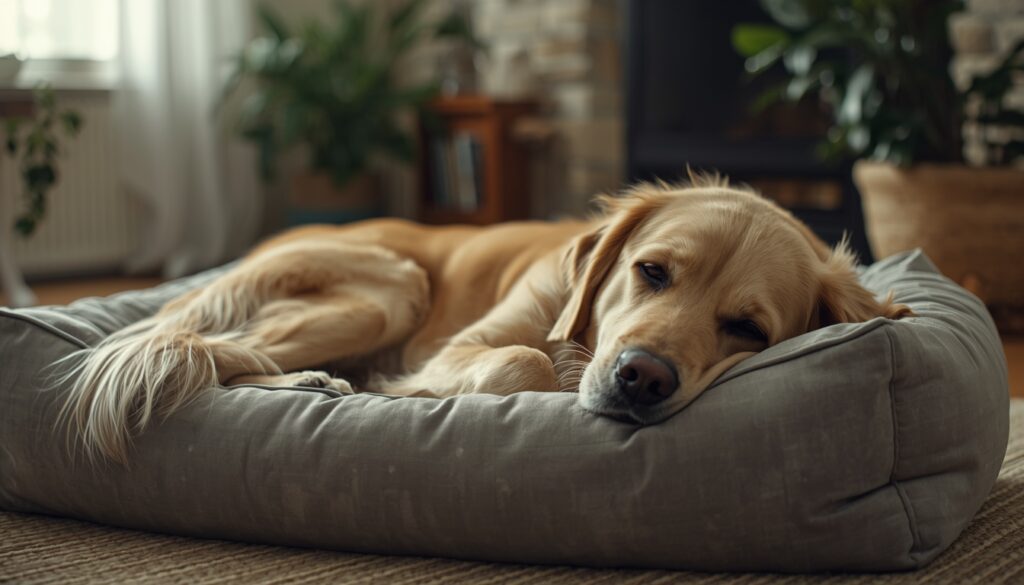
6. I supported his sleep
Travel can disrupt rest more than we realize.
So I made sure:
- his sleeping area was quiet
- lighting was soft
- environment felt familiar
Better sleep helped him recover faster.
7. I didn’t expect immediate normal behavior
This mindset shift helped the most.
Instead of thinking: why is he still anxious?
I started thinking: he’s still adjusting.
That change helped me respond with patience instead of pressure.
And that made a noticeable difference in how quickly he settled.
When I Knew It Was More Than Normal
Most of the time, things improved within a few days.
But I also learned to watch for signs that needed more attention:
- anxiety lasting more than a week
- refusal to eat
- extreme restlessness
- ongoing sleep issues
That usually meant the trip had been more stressful than I realized.
Reader Questions
Can loud noises like thunderstorms or fireworks affect my dog even after we return home from a trip?
Yes, loud noise triggers can keep a dog’s stress level elevated, even after travel ends. If your dog is sensitive to these sounds, it may help to also understand thunderstorm anxiety and fireworks anxiety.
Can separation anxiety get worse after traveling with my dog?
In some cases, yes. After spending more time together during travel, some dogs may struggle more when left alone again. Learning about separation anxiety in dogs can help you manage this transition better.
Is it normal for a dog to act differently after coming home from a trip?
Yes, some dogs take time to readjust after travel. Changes in environment, routine and stimulation can affect their behavior temporarily.
Why is my dog more clingy after travel?
Some dogs seek extra closeness after a trip because they are still processing stress or unfamiliar experiences from travel.
Can travel affect my dog’s sleep even after coming home?
Yes, disrupted rest during travel can affect sleep patterns and it may take some time for your dog to return to a normal sleep routine.
Why does my dog keep sniffing everything after we get back home?
Dogs often use sniffing to reconnect with familiar surroundings and reassure themselves after being in new environments.
What This Experience Taught Me
I used to think the hardest part of travel was the journey itself.
But I learned that what happens after the trip matters just as much.
Giving my dog time, space and a calm routine helped him settle in a way that felt natural, not forced.
And that changed how both of us experienced travel.
This continues to shape my journey with Pet Calm Care.
