

 By
By Sometimes it happens so suddenly that it catches you off guard.
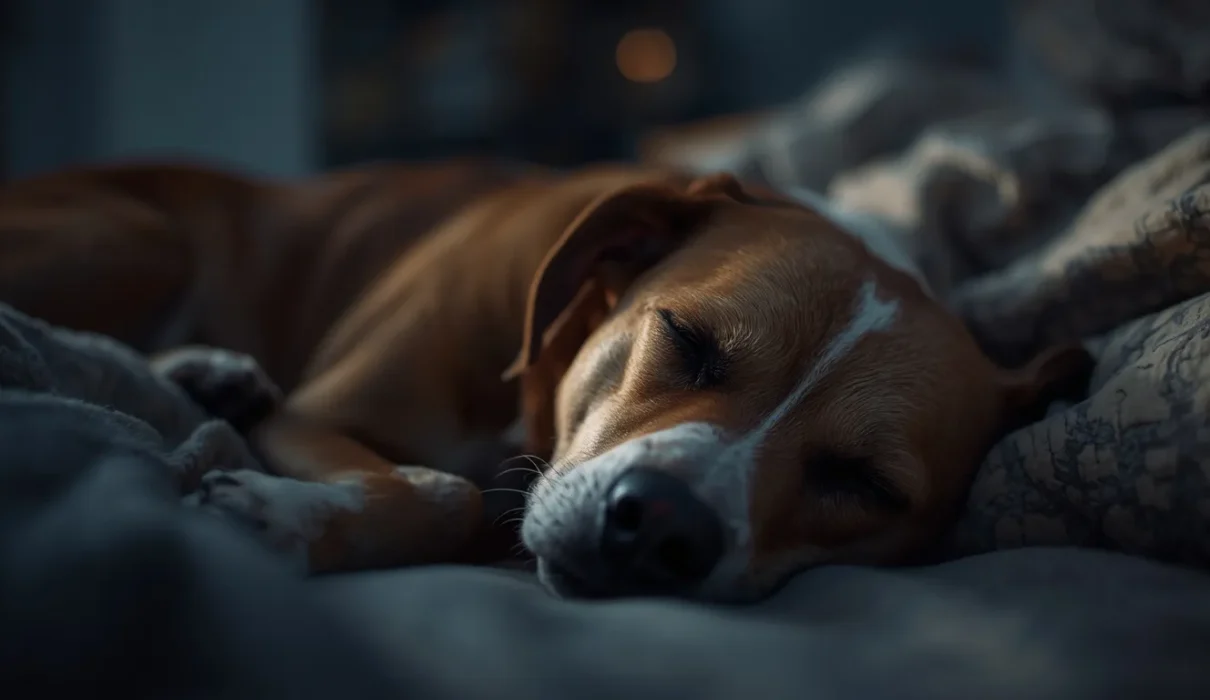
Your dog is sleeping peacefully…
Then suddenly:
A paw twitches.
Soft whining starts.
Maybe a little barking.
Sometimes even quick breathing or body movement.
And naturally, one thought comes to mind:
Is my dog having a bad dream?
At first, I honestly did not know what to think.
Was something wrong?
Should I wake them up?
Were they scared?
Or was this somehow completely normal?
The more I paid attention, the more I realized dogs probably experience sleep differently than we often imagine.
And yes – many signs suggest dogs likely dream too.
Sometimes happy dreams.
And sometimes, what may look like bad dreams.
In this guide, we’ll go through what dog dreams may actually mean, common signs of bad dreams and when
sleep behavior usually feels completely normal.
Dreaming Is More Normal in Dogs Than Most People Think
This was probably the biggest surprise to me.
At first, sleeping movements felt strange.
Almost worrying.
But over time, I realized many dogs show little signs of dreaming.
Especially during deeper sleep.
Dogs may sometimes:
- twitch
- move their paws
- make soft noises
- wag their tail
- breathe differently
And honestly?
Many of these moments may simply be part of normal dreaming.
Which helped me stop overreacting every time my dog suddenly moved during sleep.
Understanding normal sleep habits also helped me understand nighttime behavior better:
Why Do Dogs Sleep So Much? What’s Normal and When to Worry
Common Signs Your Dog May Be Dreaming
Some sleep behavior feels completely harmless.
And sometimes honestly… a little funny.
1. Twitching, Paw Movements and Small Body Jerks
This is probably one of the most common things people notice.
Sometimes dogs move:
- paws
- legs
- ears
- whiskers
Almost like they are running somewhere in a dream.
At first, it can look concerning.
But occasional twitching during sleep is often completely normal.
Especially during deeper stages of sleep.
2. Soft Barking, Whining or Little Sounds
This one can feel emotional.
Sometimes sleeping dogs make tiny sounds.
Things like:
- soft barks
- whining
- little growls
- sleepy noises
And naturally, many owners start wondering:
Does my dog have bad dreams?
Honestly?
Not always.
Dogs may simply be reacting to dream activity.
Just like humans sometimes talk or move during sleep.
3. Fast Eye Movement and Restlessness
Sometimes dogs seem unusually active while sleeping.
You may notice:
- moving eyelids
- quick breathing
- body shifting
- restless movements
This often happens during deeper sleep stages when dreaming may be more likely.
Which honestly made sleep behavior feel less mysterious once I understood it better.
What Bad Dreams May Sometimes Be Connected To
This part felt especially interesting.
Because honestly…
No one can know exactly what dogs dream about.
But behavior and sleep science suggest experiences from daily life may sometimes play a role.
1. Exciting or Busy Days
Sometimes dogs seem extra active during sleep after exciting days.
Things like:
- long walks
- visitors
- dog parks
- training sessions
- travel
may sometimes create more dream activity later.
Almost like the brain processing a busy day.
Which honestly makes sense.
Busy, exciting days sometimes seem to affect both daytime energy and nighttime sleep too:
Why Do Dogs Get the Zoomies? What It Really Means
2. Stress or Emotional Changes
This part felt important too.
Dogs experiencing stress, routine changes or emotional tension may sometimes seem more restless during sleep.
Especially if you notice:
- pacing before bed
- trouble settling
- anxious behavior during the day
Nighttime restlessness sometimes connects to bigger emotional changes too.
If your dog seems unusually unsettled at night overall, you may also want to read:
Dog Anxiety at Night: Complete Guide to Help Your Dog Sleep Calmly
3. Fearful or Uncomfortable Experiences
Sometimes difficult experiences may affect sleep too.
Especially after:
- stressful situations
- loud events
- unfamiliar environments
- upsetting experiences
That does not automatically mean nightmares.
But it may partly explain why some dogs seem more restless than usual while sleeping.
Sleep Behavior That Usually Feels Completely Normal
This honestly helped me stop worrying so much.
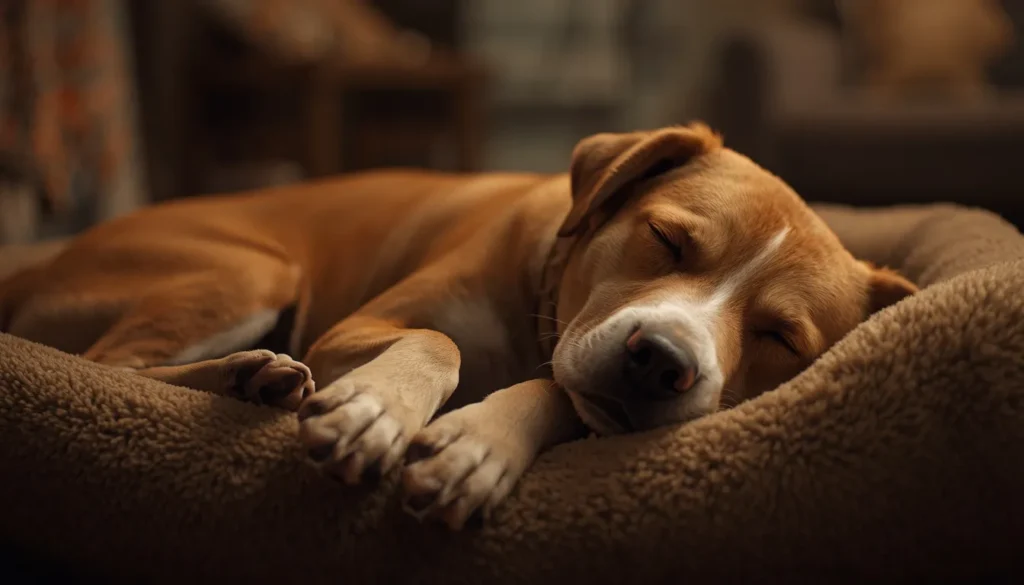
In many situations, dream behavior feels completely harmless.
Especially if your dog:
- sleeps normally
- wakes up relaxed
- eats normally
- behaves normally during the day
Little movements during sleep?
Usually nothing alarming.
Sometimes dogs simply seem very committed to whatever adventure is happening in their dreams.
Knowing what healthy sleep patterns look like can also make strange nighttime habits feel less worrying:
How Much Do Dogs Sleep? A Complete Guide by Age, Breed and Routine
Signs It May Need More Attention
Occasionally, sleep behavior feels different.
Things that made me pay closer attention included:
- frequent panic-like movements
- intense distress during sleep
- sudden major sleep changes
- waking confused often
- unusual behavior during the day too
The bigger question usually became:
Does this feel normal for my dog?
That often mattered more than one unusual night.
Waking a Sleeping Dog During a Bad Dream
This honestly confused me for a while.
If your dog seems upset while sleeping…
Should you wake them?
Usually, gentle caution feels best.
Suddenly touching a startled dog may sometimes cause confusion.
Instead, some owners prefer:
- calmly saying the dog’s name
- soft reassurance
- gentle distance
Sometimes dogs naturally settle on their own.
And honestly?
Many seem completely fine moments later.
Simple Things That Helped Me Understand Sleep Behavior Better
The biggest shift happened when I stopped assuming every movement meant something scary.
I Paid Attention to Daytime Behavior
A happy, relaxed dog sleeping normally felt very different from a dog acting distressed all day.
That difference mattered.
I Looked for Patterns
Did sleep behavior happen:
- after exciting days?
- stressful moments?
- routine changes?
Patterns explained a lot.
I Stopped Overthinking One Strange Night
Honestly?
One odd sleep moment usually did not mean much.
A lasting pattern felt more important.
Reader Questions
Why does my dog sleep closer to me after a stressful day?
Some dogs seem to seek extra comfort after overwhelming or emotional days. Sleeping closer, following owners more or wanting extra reassurance may sometimes happen when dogs feel unsettled. If your dog also struggles emotionally when left alone or becomes unusually attached, you may also want to read: Separation Anxiety in Dogs: The Complete Guide.
Why does my dog sleep differently after a vet appointment?
Some dogs seem more tired, clingy or restless after vet visits because unfamiliar smells, handling, travel or emotional stress may feel overwhelming. If your dog becomes unusually nervous around appointments or struggles emotionally before or after visits, you may also want to read:
Dog Anxiety at the Vet: Causes, Signs, and How to Help.
Why does my dog suddenly want more comfort at night?
Sometimes dogs seek extra closeness during certain periods, especially after changes in routine, stressful days or emotional overstimulation. Extra cuddling or wanting to stay nearby may simply be a comfort-seeking behavior.
Why does my dog seem completely fine after acting strange in sleep?
Many dogs wake up perfectly normal after twitching, whining or moving during sleep. If eating, energy, mood and daytime behavior feel normal, occasional unusual sleep moments may not mean anything serious.
A Quiet Thing I Eventually Realized
For a while, every twitch made me nervous.
Every sleepy sound felt worrying.
But over time, something became easier to understand:
Dogs probably dream more than we realize.
Sometimes those dreams may seem playful.
Sometimes emotional.
And sometimes maybe even uncomfortable.
But many sleeping movements that look strange at first often turn out to be completely normal parts of being a dog.
And honestly?
That realization made peaceful sleeping moments feel a little less worrying.
This experience is part of my journey with Pet Calm Care, where I share what I’m learning while trying to better understand sensitive, emotional and wonderfully unpredictable dogs.
