

 By
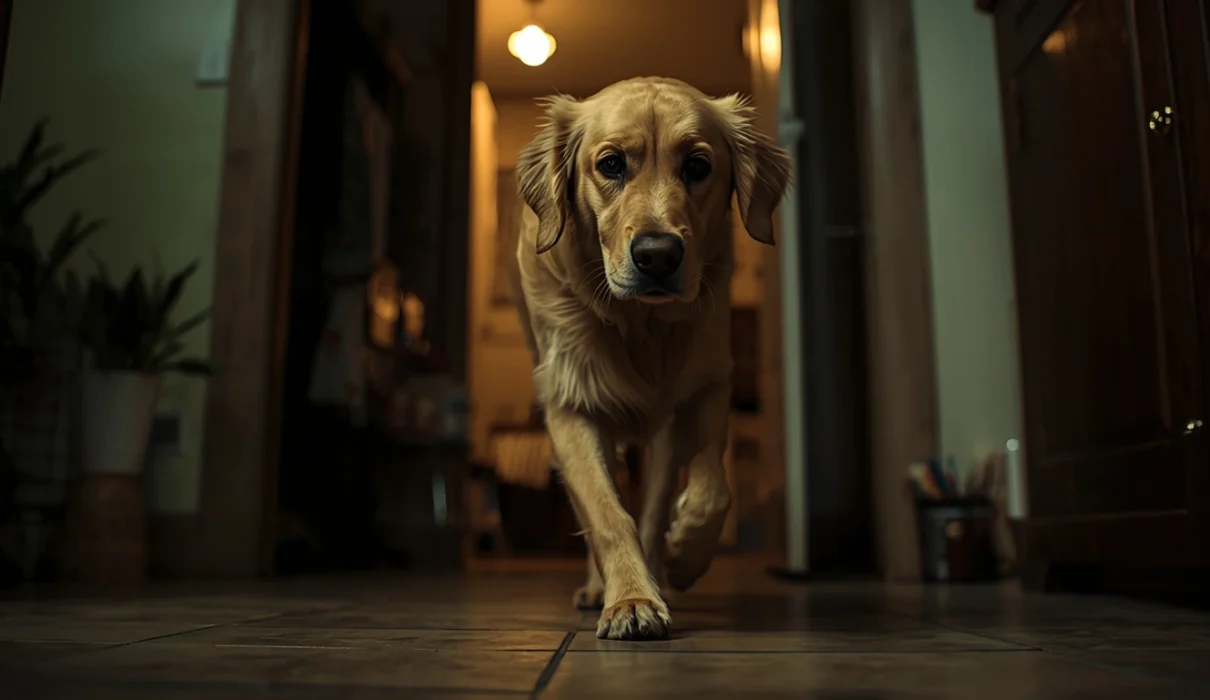
By My dog started showing anxiety at night and at first, I couldn’t understand why.
He would pace, stay restless and struggle to settle even when everything seemed normal.
Over time, I realized that dog anxiety at night has deeper triggers and
understanding them completely changed how I helped him sleep calmly.
Why Dogs Become Anxious at Night
At first, I thought night anxiety just happened.
But the more I observed, the clearer it became that there were specific reasons behind it.
And most of them had nothing to do with the night itself.
1. Unreleased Energy From the Day
Sometimes the issue started much earlier.
If my dog didn’t get enough mental or physical engagement during the day, it showed up at night.
- pacing
- restlessness
- inability to settle
Night became the outlet for leftover energy.
2. Sensitivity to Sounds and Environment
Nighttime is quieter, which makes small sounds more noticeable.
Things like:
- distant traffic
- doors closing
- outside movement
can feel louder and more intense.
This can keep a dog in an alert state.
3. Change in Routine or Evening Pattern
Dogs rely heavily on routine.
Even small disruptions in the evening like delayed feeding or irregular activity can create uncertainty.
And that uncertainty often shows up at night.
A simple indoor evening routine can make a noticeable difference in reducing restlessness before bedtime.
4. Age-Related Changes (Especially in Senior Dogs)
With older dogs, I noticed something different.
They seemed more:
- confused
- alert
- unsettled at night
Night anxiety in senior dogs often has a deeper layer.
5. Build-Up of Anxiety Throughout the Day
This was something I didn’t realize at first.
In many cases, anxiety doesn’t start at night – it builds up throughout the day.
And by nighttime, it shows up as:
- pacing
- whining
- inability to relax
Signs of Night Anxiety in Dogs
Not every dog shows it the same way.
Some signs are obvious, while others are easy to miss.
Here’s what I noticed:
- pacing around the house
- restlessness and frequent position changes
- whining or low vocal sounds
- excessive panting (even when not hot)
- difficulty settling down
- waking up repeatedly at night
Even subtle signs can indicate discomfort.
What Triggers Anxiety Specifically at Night
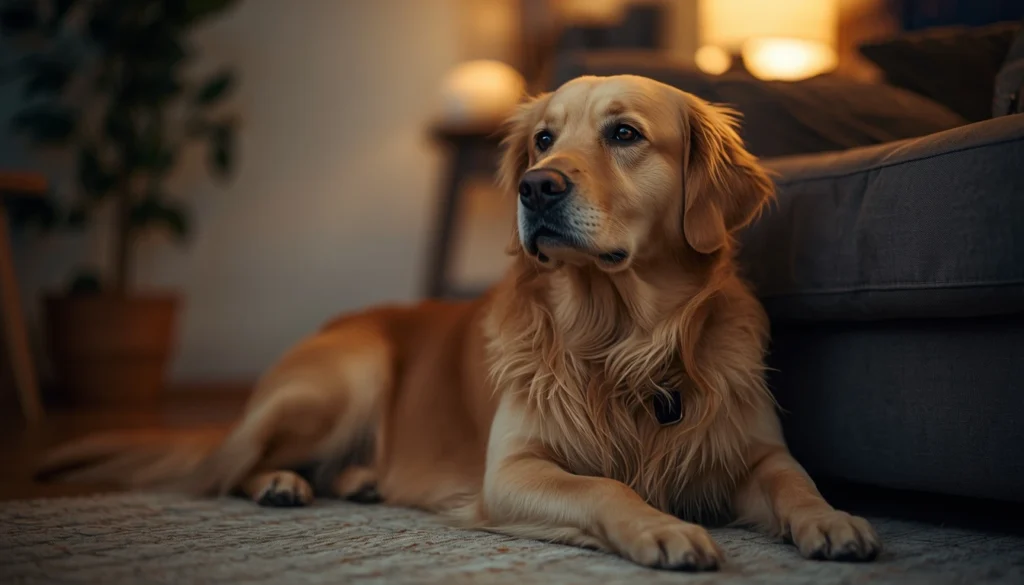
This was the part that helped me connect everything.
Nighttime isn’t just a time it changes how dogs experience their environment.
1. Reduced Distractions = More Awareness
During the day, there’s more activity.
At night, everything slows down.
That makes internal stress more noticeable.
2. Sudden Noises Feel Stronger
Even small sounds can trigger a reaction.
This is especially true if your dog is sensitive to noise.
If your dog reacts strongly to sudden sounds, it helps to
understand how noise sensitivity works in more detail.
3. Darkness and Reduced Visibility
Some dogs feel less secure when visibility is low.
Shadows, movement and unfamiliar shapes can increase alertness.
4. Transition From Activity to Stillness
The shift from evening activity to complete quietness can feel abrupt.
This was something I struggled with too, especially during the
evening-to-bedtime shift, until I figured out what helped.
A smooth transition from evening to bedtime can make it much easier for
a dog to settle at night.
What Happens Before Bedtime Matters Most
This was the biggest realization for me.
I used to focus only on what happens at night.
But the real issue often started earlier in the evening.
1. Evening Energy Directly Affects Night Calmness
If the evening was:
- too chaotic
- too inactive
- too unpredictable
It becomes difficult for them to settle at night
2. Lack of Clear Wind-Down Signal
Dogs need a signal that ‘day is ending.’
Without it:
- the body stays alert
- the mind stays active
3. Overstimulation Before Bed
Late-night play, noise or activity can delay relaxation.
I eventually realized that fixing the evening routine made a
huge difference in how my dog behaved at night.
It’s not always easy to tell the difference between normal evening behavior and actual anxiety
in dogs.
How I Helped My Dog Stay Calm at Night
Once I understood the causes, things started to change.
But the real difference came from what I consistently did every evening and night.
1. I created a clear wind-down routine
This was one of the biggest shifts.
Instead of letting the day end randomly, I introduced a predictable pattern:
- dim lights
- slower movement
- calm tone of voice
Over time, my dog started recognizing this as a signal to relax.
2. I made the environment feel safe
Nighttime can feel uncertain for some dogs.
So I adjusted the environment:
- soft lighting instead of complete darkness
- a quiet and consistent space
- minimal sudden noise
- soft background music
This reduced unnecessary alertness.
3. I stopped overstimulation before bedtime
I used to allow late play or sudden activity.
But that kept his mind active.
Now, the last part of the evening is always calm.
No rough play.
No excitement.
This helped his body transition into rest mode.
4. I introduced a consistent last interaction before sleep
I noticed that the last interaction before bedtime shaped how my dog settled.
So I made it predictable:
- same calm tone
- same short interaction
- no sudden movement
This became a final signal that the day was ending.
5. I focused on consistency over perfection
At first, I expected quick results.
But what actually worked was repeating the same small steps every night.
Consistency made everything predictable and that’s what reduced anxiety.
6. I supported his sleep, not just behavior
I realized this wasn’t just about calming him down.
It was about helping him rest better.
So I focused on:
- a comfortable sleeping area
- familiar bedding
- a stable environment
Better sleep reduced anxiety naturally.
7. I avoided reinforcing restless behavior unintentionally
At first, I would respond every time he moved or got up.
But that sometimes reinforced the pattern.
So I became more intentional:
- calm response only when needed
- no extra attention for mild restlessness
This reduced repeated wake-ups.
Special Case: Night Anxiety in Senior Dogs
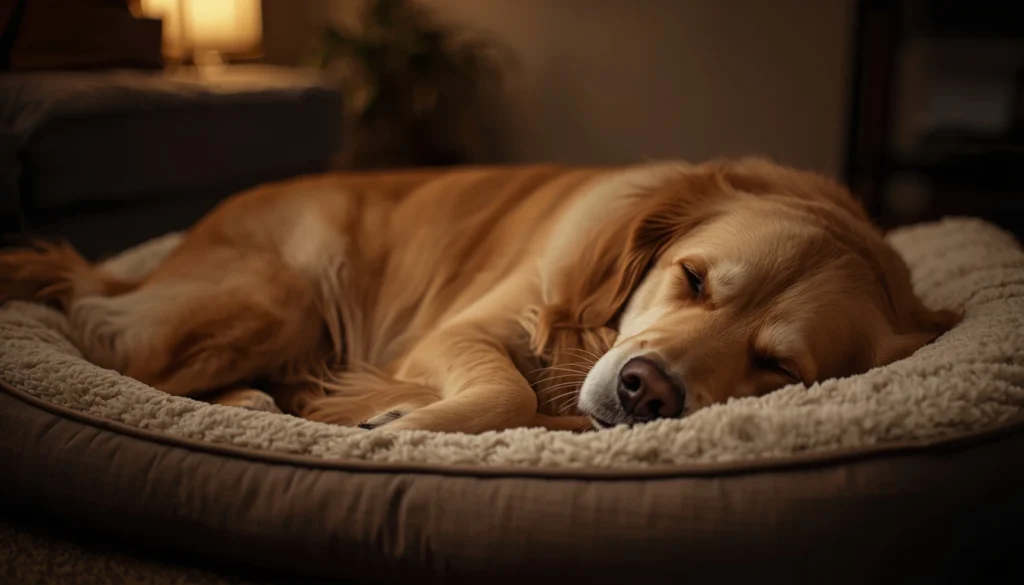
With senior dogs, things can be different.
I noticed:
- more confusion
- more frequent waking
- slower settling
So I made a few adjustments:
- kept soft lighting on
- avoided changing sleeping spots
- made movement easier
These small changes made nights easier for him.
What Didn’t Work (Important Lessons)
Some things I tried actually made it worse.
1. Ignoring the behavior completely
I thought ignoring would help.
But it sometimes increased uncertainty.
2. Over-comforting
Too much attention during anxiety moments created dependency.
3. Trying to fix everything at once
Big changes created more confusion.
Small, consistent steps worked better.
What Actually Worked Long-Term
The biggest realization was this:
It wasn’t about stopping the behavior instantly.
It was about creating a pattern the dog could trust.
- predictable evenings
- calm environment
- consistent routine
Over time, anxiety reduced on its own.
Reader Questions
Can separation anxiety affect my dog’s behavior at night?
In some cases, yes. Dogs that feel unsettled when left alone during the day may also struggle to fully relax at night. Understanding separation anxiety in dogs can help you see how these patterns may be connected.
Why does my dog seem more anxious only at night and not during the day?
Some dogs appear calm during the day but become more sensitive at night due to reduced distractions and increased awareness of their surroundings.
Can a dog’s evening routine affect how they behave at night?
Yes, what happens in the evening often influences how easily a dog can settle. Changes in activity, stimulation or routine can impact nighttime behavior.
Does lighting make a difference for dogs with night anxiety?
In some cases, soft lighting can help dogs feel more secure, especially if they are sensitive to darkness or unfamiliar surroundings.
Can anxiety in other situations affect my dog’s behavior at night?
Yes, stress from other experiences can carry over into nighttime behavior. If your dog also struggles during car rides or vet visits, it can help to understand
car travel anxiety and vet visit stress and how they may be connected.
What This Experience Taught Me
I used to think night anxiety was something random.
But I learned that it’s often a result of what happens throughout the day and especially in the evening.
Once I focused on the full picture instead of just the nighttime behavior, things started to change.
Slowly.
But in a way that felt natural and lasting.
This continues to shape my journey with Pet Calm Care.
