

 By
By At first, it honestly seemed strange.
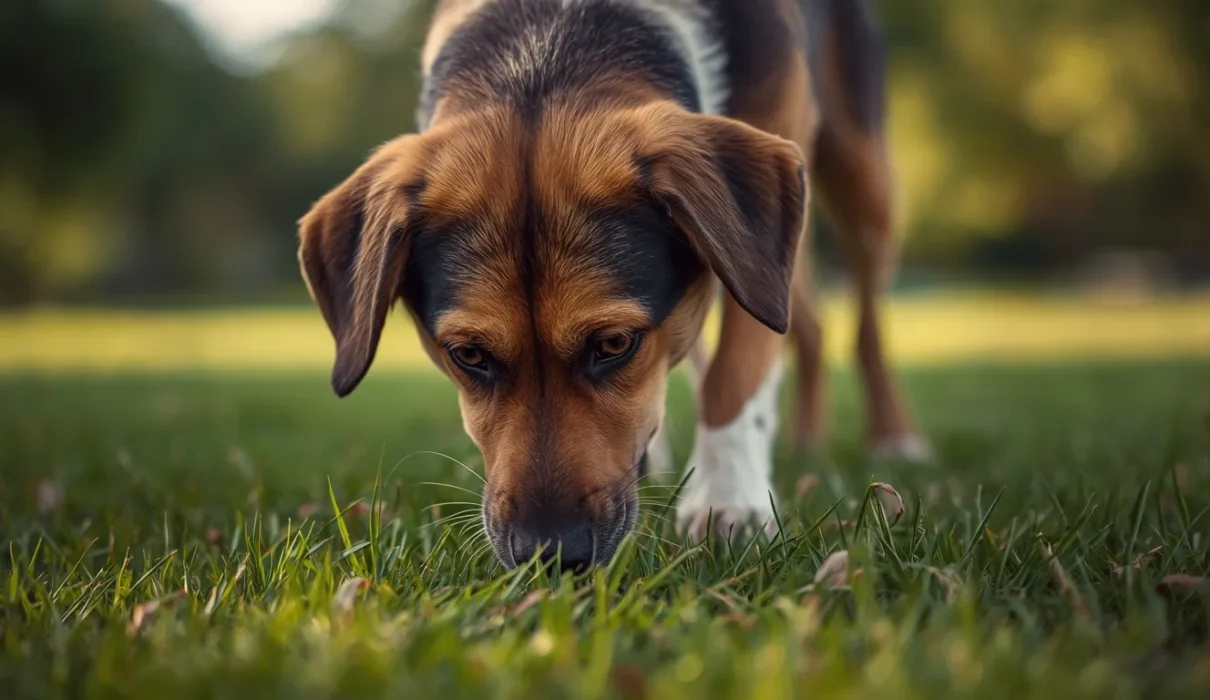
A perfectly normal walk suddenly turned into my dog stopping, lowering his head
and casually eating grass like it was part of the plan.
And naturally, the questions started:
Why do dogs eat grass?
Is something wrong?
Are they sick?
Should I stop it?
Or is this somehow… normal?
What surprised me most was learning that grass eating is actually much more common
than many dog owners expect.
Sometimes it means almost nothing.
Sometimes it points to something worth noticing.
And sometimes, dogs simply seem to do it for reasons that are not as dramatic as the internet makes them sound.
In this guide, we’ll go through the real reasons dogs eat grass, what it can sometimes mean, and when the behavior
may deserve a little more attention.
Grass Eating Is Not Always a Bad Sign
This was probably the biggest surprise to me.
At first, grass eating automatically felt like:
Something must be wrong.
But many dogs eat grass at some point.
And honestly?
Sometimes it turns out to be completely harmless.
A dog eating grass once in a while does not automatically mean illness.
The bigger clue usually comes from:
- frequency
- body language
- energy levels
- appetite changes
- other unusual behavior
That bigger picture matters much more than one random mouthful of grass.
Common Reasons Dogs Eat Grass
1. Upset Stomach or Mild Nausea
This is usually the first thing people think of.
And sometimes?
It may be true.
Some dogs seem to eat grass when their stomach feels unsettled.
Especially if they seem:
- nauseous
- uncomfortable
- restless
- drooling more than usual
What confuses many owners is that some dogs throw up afterward.
That leads to the big question:
Do dogs eat grass when sick?
Sometimes they might.
But not always.
The important thing I learned is this:
Grass eating alone rarely tells the full story.
Other symptoms matter more.
If your dog seems tired, uncomfortable or suddenly behaving differently
overall, the situation may feel more worth watching.
Changes in eating habits sometimes happen alongside changes in thirst too:
Why Is My Dog Drinking a Lot of Water? Common Reasons and When to Worry
2. Natural Dog Behavior and Instincts
This one surprised me.
Sometimes dogs simply eat grass because…
Dogs are dogs.
Many experts believe grass eating may partly come from natural behavior passed down over time.
Dogs explore the world with:
- smell
- taste
- chewing
- curiosity
Some dogs seem naturally interested in plants.
Especially during walks.
Which honestly explains why why dogs eat grass does not always have one dramatic answer.
Sometimes it may simply be instinctive behavior.
3. Curiosity, Boredom or Habit
This reason made more sense the longer I paid attention.
Some dogs seem to eat grass mostly because:
- they are curious
- they are bored
- they like exploring
- it becomes a habit
I noticed some dogs casually nibble grass during slower walks.
Almost like absent-minded snacking.
This becomes especially noticeable when a dog suddenly starts eating grass like crazy
during quiet periods or routine changes.
Sometimes the behavior feels more behavioral than medical.
4. Taste, Texture or Simple Enjoyment
Honestly?
Some dogs just seem to like it.
This surprised me too.
Fresh grass can feel:
- crunchy
- soft
- interesting
- different
Some dogs repeatedly go back to the same type of grass.
Which makes it hard to believe every single case is about stomach problems.
Sometimes the answer may simply be:
My dog likes this for some reason.
And honestly, dogs can have strange preferences.
5. Digestive Support or Fiber Needs
Some people wonder whether grass helps digestion.
There is some thought that certain dogs may eat grass because it helps digestion feel more comfortable.
Or because their body wants something different.
This leads to another common question:
What does it mean when a dog eats grass?
Sometimes?
Very little.
Other times, repeated grass eating alongside stomach issues may feel more noticeable.
The important thing is looking at patterns instead of isolated moments.
6. Stress or Emotional Changes
This one gets overlooked sometimes.
Some dogs seem to change little habits during:
- stressful weeks
- travel
- routine changes
- emotional shifts
A few dogs may chew or eat unusual things more often during unsettled periods.
But personally, I would not jump to anxiety first.
Physical explanations usually deserve attention too.
If your dog suddenly seems emotionally different overall, you may also want to read:
Why Is My Dog Suddenly Anxious? Causes, Signs, and What to Do
When Grass Eating Usually Feels Normal
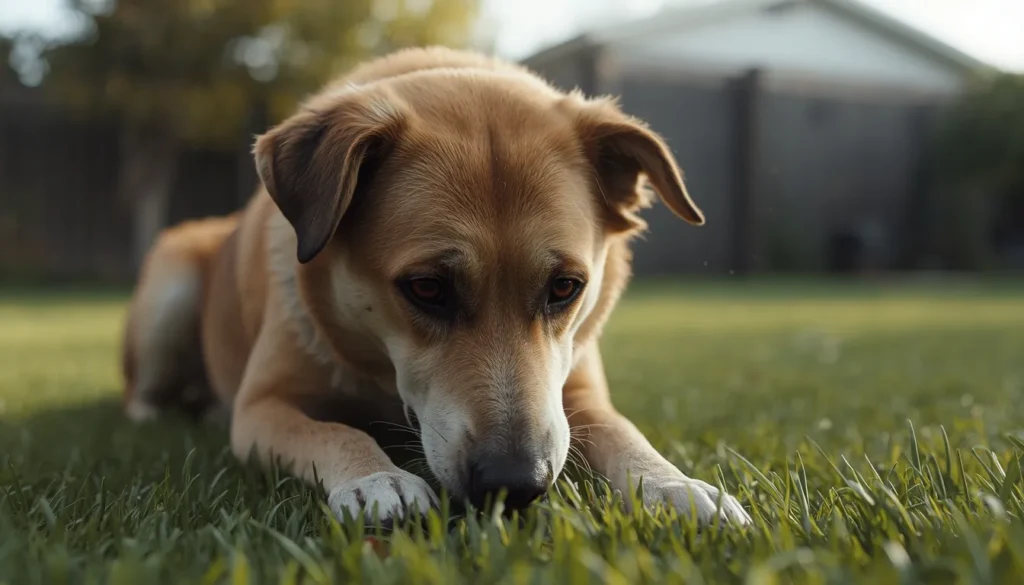
In many cases, grass eating is not automatically a problem.
Especially if your dog:
- eats normally
- behaves normally
- stays playful
- drinks water normally
- occasionally nibbles grass
This often answers another common concern:
Should I let my dog eat grass?
Sometimes, yes – especially if the grass is clean and the behavior stays occasional.
The bigger concern is where the grass comes from.
Avoid areas treated with:
- chemicals
- pesticides
- fertilizers
That part matters much more.
Signs It May Need More Attention
Usually, grass eating is harmless.
But I learned to pay closer attention if I noticed:
- repeated vomiting
- sudden obsessive grass eating
- major appetite changes
- stomach discomfort
- unusual tiredness
- behavior changes
That combination often feels more important than grass eating alone.
Energy changes can sometimes be another clue worth noticing:
Why Do Dogs Sleep So Much? What’s Normal and When to Worry
Simple Things That Helped Me Understand This Behavior Better
The biggest shift came when I stopped asking:
Why does my dog eat grass?
And started asking:
What else is happening too?
That question helped much more.
I Watched for Patterns
Did it happen:
- after meals?
- during walks?
- during stress?
- only in certain places?
Patterns often explained a lot.
I Paid Attention to Energy and Appetite
A happy, playful dog eating a little grass felt very different from a dog suddenly acting sick.
That difference mattered.
I Avoided Overreacting to One Random Day
This honestly helped the most.
One strange moment?
Usually not a huge concern.
A lasting pattern?
That felt more worth noticing.
Reader Questions
Why does my dog eat grass but never throw up?
Not every dog eats grass because of stomach discomfort. Some dogs simply nibble grass occasionally without getting sick afterward, which may sometimes be part of normal behavior or preference.
Why does my dog suddenly want to eat grass after moving to a new place?
Routine changes, unfamiliar smells, new surroundings and stress from a different environment may sometimes affect behavior. Some dogs become more curious, unsettled or develop unusual habits while adjusting to a new home. If your dog seems anxious or emotionally different after a move, you may also want to read: Dog Anxiety After Moving to a New Home.
Can puppies eat grass too?
Yes, puppies sometimes nibble grass as part of exploring the world. Since puppies often learn through smell, chewing and curiosity, occasional grass interest may not always be unusual. The bigger concern is making sure the area is safe and chemical-free.
Why does my dog seem restless at night and eat grass outside?
Some dogs become more unsettled during nighttime, especially if routines, sleep or stress levels feel off. If your dog seems unusually restless in the evenings too, you may also want to read: Dog Anxiety at Night: Complete Guide to Help Your Dog Sleep Calmly
A Small Thing I Eventually Realized
For a while, grass eating felt much more alarming than it probably needed to.
But over time, I realized many dogs seem to do strange little things that turn out to be completely normal.
Sometimes grass eating means curiosity.
Sometimes habit.
Sometimes mild stomach discomfort.
And occasionally?
Just a dog making confusing life choices for reasons we may never fully understand.
What helped most was paying attention to the full picture instead of the grass alone.
This experience is part of my journey with Pet Calm Care, where I share what I’m learning while trying to better understand sensitive, emotional and wonderfully unpredictable dogs.
