

 By
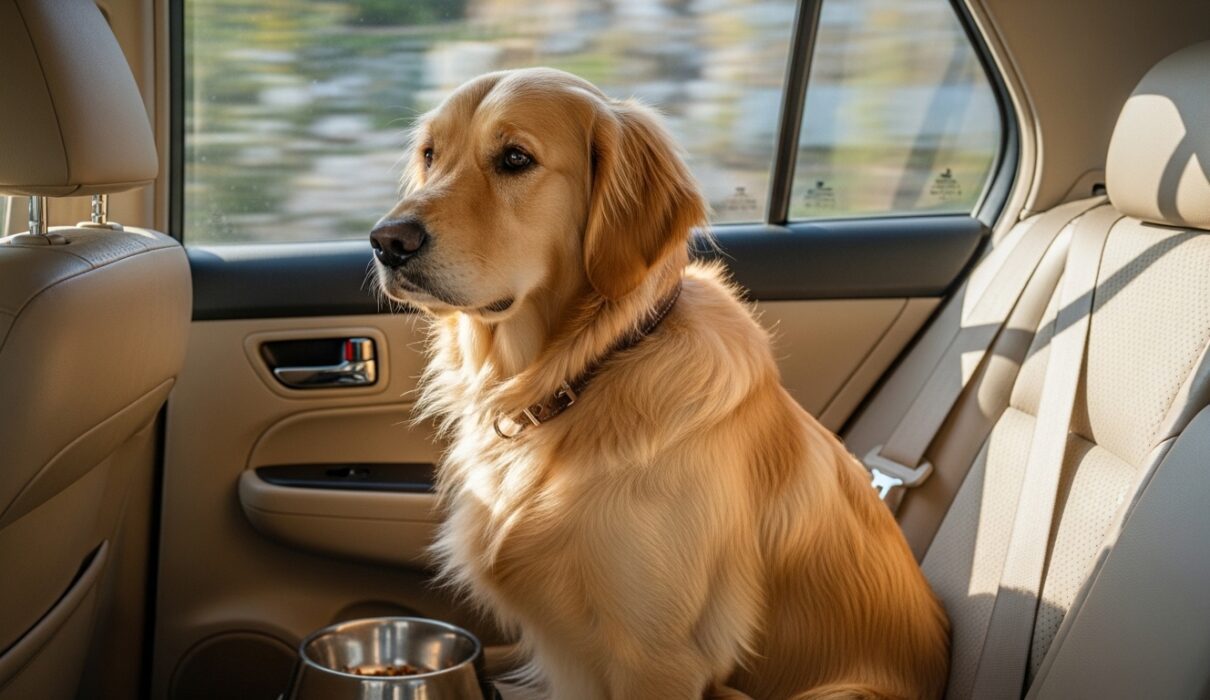
By My dog stopped eating during car travel and at first, I didn’t understand why.
Even on calm road trips, he would ignore food completely.
Over time, I realized this wasn’t just about eating —
it was linked to travel anxiety and discomfort.
Why Dogs Stop Eating During Travel
At first, I assumed it was just pickiness.
But dogs don’t usually skip food without a reason.
After paying closer attention, I realized there were three main factors affecting my dog:
- emotional stress
- physical discomfort
- disrupted routine
And sometimes, all three were happening at the same time.
1. Stress Changes Their Appetite More Than We Realize
Travel introduces too many changes at once.
New sounds.
New smells.
Movement.
Unfamiliar places.
Even if a dog isn’t visibly panicking, their body can still be in a mild stress state.
And when that happens, appetite is often the first thing affected.
I noticed that even when my dog seemed okay, he wasn’t fully relaxed.
That subtle tension was enough to reduce his interest in food.
2. Motion Sickness Can Quietly Kill Hunger
This was something I almost missed.
On some trips, my dog didn’t look anxious at all.
But he still refused food.
Later, I realized it was likely mild nausea.
Dogs don’t always vomit when they feel motion sickness.
Sometimes they just:
- avoid food
- drool slightly
- swallow more
- seem unsettled
Once I considered this, it explained a lot.
3. Routine Disruption Confuses Them
At home, feeding is predictable.
Same place.
Same time.
Same environment.
During travel, everything changes.
Different location.
Different timing.
Different energy.
For some dogs, that alone is enough to make them hesitate.
What I Stopped Doing First
Before anything improved, I had to stop a few things that were making it worse.
I stopped:
- trying to force him to eat
- offering food repeatedly
- showing frustration
- changing food suddenly
Every time I pushed, he became more resistant.
That was a big lesson for me.
What Finally Helped My Dog Start Eating Again
This is where things started to change.
Instead of trying to fix the eating directly, I focused on helping him feel more settled first.
1. I focused on calm before offering food
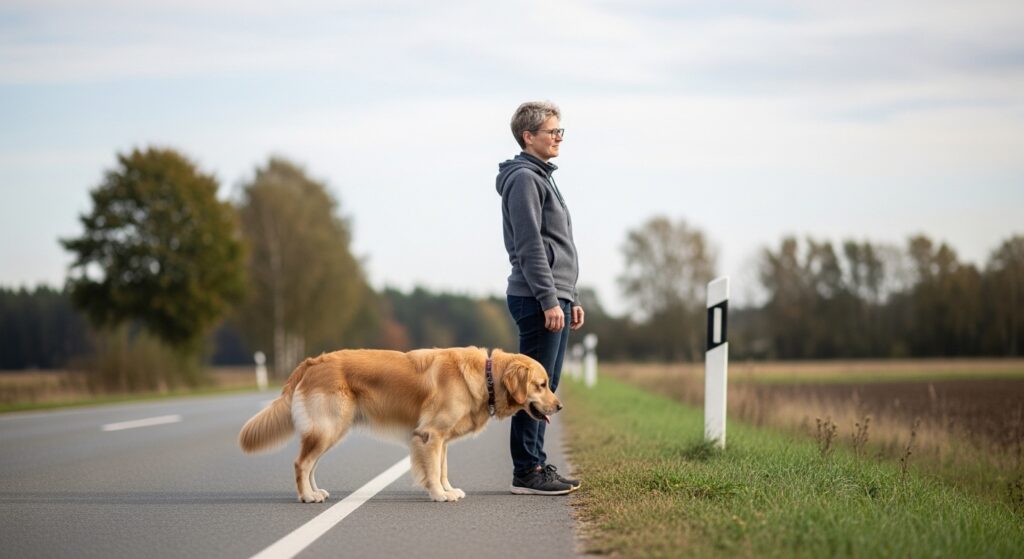
I stopped offering food the moment we stopped the car.
Instead, I gave him time.
A short walk.
A chance to sniff.
A few minutes to settle.
Only after his body relaxed a bit did I offer food.
This made a noticeable difference.
2. I made feeding feel familiar again
I tried to recreate a small part of home.
Same bowl.
Same food.
Same tone of voice.
Sometimes I even placed his blanket nearby.
This helped reduce the unfamiliar feeling.
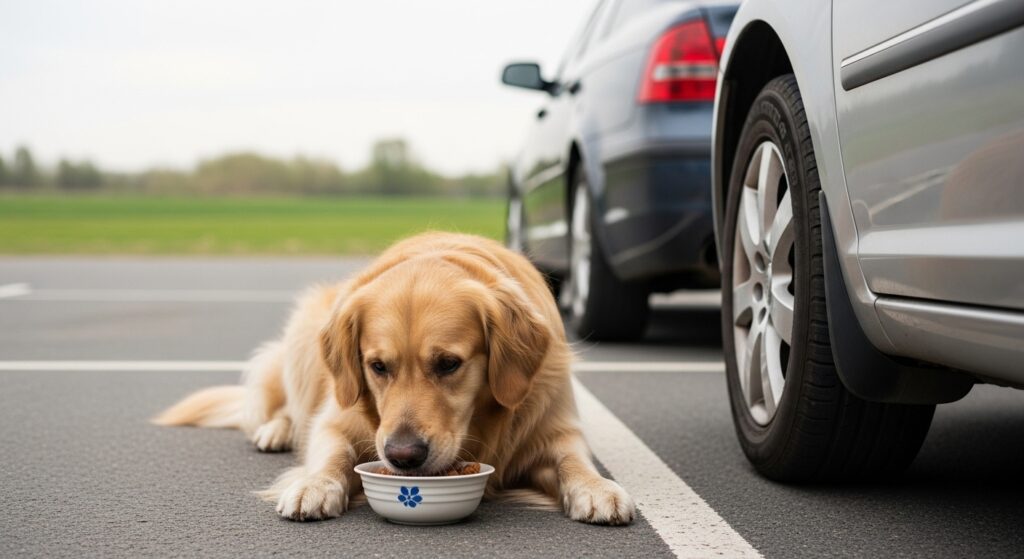
3. I chose quieter places for feeding
Busy rest stops didn’t work.
Too many people.
Too much movement.
Now I look for calmer spots.
Less noise helped him feel safe enough to eat.
4. I accepted that some meals might be skipped
This was hard at first.
But I learned that skipping one meal during travel is usually okay for a healthy dog.
The more I relaxed about it, the more he relaxed too.
That shift mattered.
5. I adjusted timing instead of forcing routine
Instead of sticking to exact feeding times, I became flexible.
If he wasn’t ready, I waited.
If he seemed calmer later, I offered food then.
This worked much better than forcing a strict schedule.
6. I watched for signs of nausea
If I noticed:
- drooling
- lip licking
- refusal after movement
I didn’t push food at all.
Instead, I focused on comfort first.
This prevented negative associations with eating.
7. I used small wins instead of full meals
At first, I stopped expecting a full meal.
Even a few bites became progress.
Sometimes I offered small portions instead of a full bowl.
That helped rebuild his interest slowly.
What Made the Biggest Difference
The biggest change came when I stopped focusing only on the food.
Eating wasn’t the real problem.
How my dog felt during travel was the real issue.
Once I helped him feel calmer, more stable and less overwhelmed,
the eating started to return on its own.
Reader Questions
How long can a dog go without eating during travel?
Most healthy dogs can skip a meal or two without serious issues, but if your dog refuses food for more than 24 hours, it’s worth paying closer attention.
Should I try changing my dog’s food while traveling?
Sudden food changes can sometimes make things worse. It’s usually better to keep the same food your dog is already familiar with.
Is it normal for dogs to drink water but refuse food on trips?
Yes, this can happen. Some dogs stay hydrated but avoid eating when they feel slightly unsettled or overwhelmed during travel.
Can travel affect my dog’s digestion even after we return home?
In some cases, yes. Changes in routine and environment can temporarily affect appetite and digestion even after the trip ends.
When should I be concerned about my dog not eating while traveling?
If your dog also shows signs like extreme lethargy, vomiting or refuses food for an extended period, it may need closer attention.
What This Experience Taught Me
I learned that appetite is often a reflection of comfort.
When my dog felt safe, he ate.
When he didn’t, he couldn’t.
And no amount of pushing changed that.
What worked was slowing down, paying attention and adjusting to what he needed in that moment.
That shift changed not just how he ate during travel, but how he experienced the journey itself.
This continues to shape my journey with Pet Calm Care.
