

 By
By There is something oddly universal about it.
One minute your dog is walking around normally…
The next?
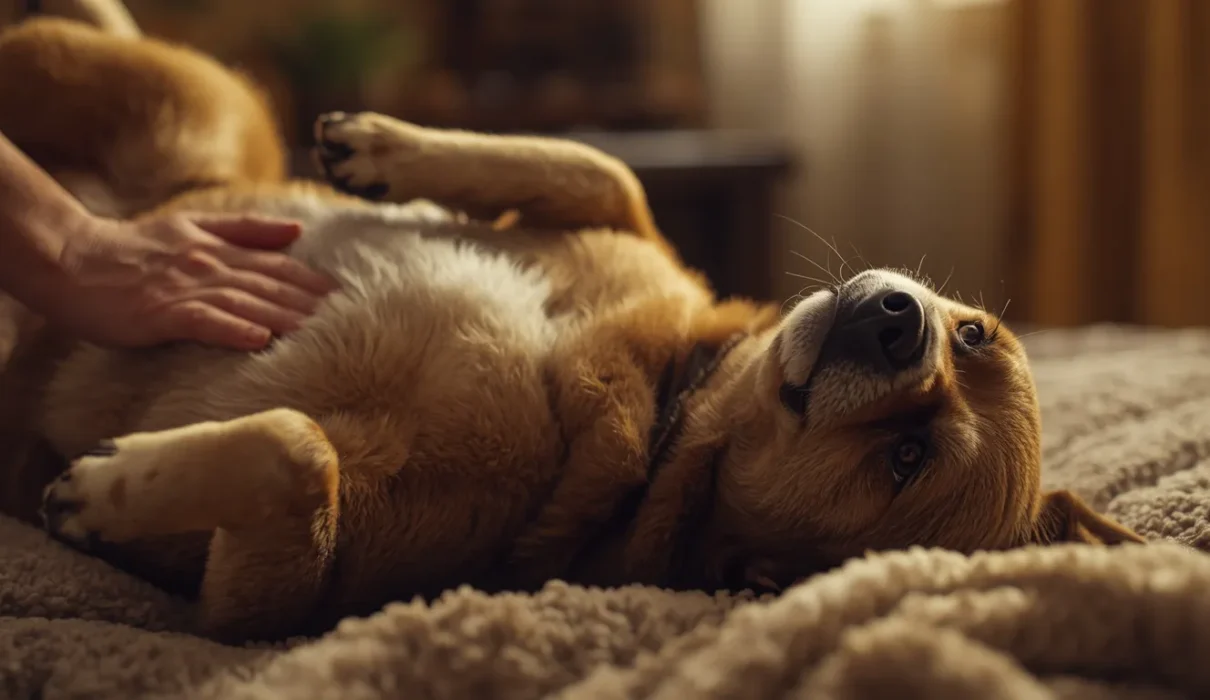
They suddenly roll over, paws in the air, practically presenting their stomach like it comes with instructions.
Rub here. Immediately.
And honestly, it made me curious too:
Why do dogs like belly rubs so much?
At first, I assumed the answer was simple.
Maybe it just felt good.
But after paying closer attention, I realized belly rubs often mean much more than that.
For some dogs, it is comfort.
For others, bonding.
And sometimes, showing the belly does not actually mean please rub me at all.
In this guide, I’ll walk through the real reasons dogs enjoy belly rubs, what I noticed with my own dog
and how to tell whether your dog genuinely loves them.
Do Dogs Really Enjoy Belly Rubs?
For many dogs?
Absolutely.
But not always for the reasons people assume.
I used to think belly rubs were simply a dog version of getting a back massage.
Eventually, I realized the experience is usually more emotional than that.
For many dogs, belly rubs can feel:
- relaxing
- comforting
- playful
- emotionally reassuring
- physically enjoyable
The important thing I learned?
Not every dog feels the same way.
Some dogs genuinely love belly rubs.
Others tolerate them.
And a few would honestly prefer personal space.
Common Reasons Dogs Love Belly Rubs
1. Physical Comfort and Good Feelings
This ended up making the most sense to me.
Dogs have sensitive nerve endings across different parts of their body.
For some dogs, gentle belly rubs simply feel good.
Kind of like scratching an itch you could never quite reach yourself.
I noticed certain spots instantly changed my dog’s mood.
Relaxed body.
Soft eyes.
Completely melting into the floor.
Sometimes the answer really is that simple:
It just feels nice.
2. Trust and Feeling Safe
This one surprised me more.
The belly is one of the most vulnerable parts of a dog’s body.
Which means exposing it often takes a certain level of comfort.
That is partly why people often connect belly exposure with trust.
But I learned something important:
Trust matters – but context matters too.
A relaxed dog rolling onto their back near you often looks very different
from a nervous dog exposing their belly during stressful moments.
One feels calm.
The other may feel unsure.
Body language tells the real story.
3. Attention and Emotional Bonding
Honestly?
Some dogs seem to love the interaction just as much as the belly rub itself.
I noticed my dog sometimes rolled over mostly because he wanted connection.
Attention.
Play.
That little moment of closeness.
Especially after busy days or quiet evenings.
Sometimes belly rubs felt less like:
Scratch my stomach.
And more like:
Hang out with me for a minute.
I noticed dogs often ask for closeness in different ways too:
Why Does My Dog Lay on Me? Common Reasons and What It Really Means
4. Learned Affection and Routine
This one made me laugh once I noticed it.
Dogs learn patterns quickly.
If belly rubs regularly lead to:
- affection
- attention
- praise
- happy interaction
Dogs sometimes start asking for them more often.
At some point, I realized my dog had probably figured out:
Roll over = humans become very nice.
And honestly?
Fair strategy.
5. Playfulness and Excitement
Sometimes belly exposure simply happened during goofy moments.
Zoomies.
Play sessions.
Happy greetings.
I noticed my dog occasionally flopped over dramatically when excited.
Almost like part of the fun.
Not calm.
Not sleepy.
Just playful energy.
This helped me realize belly rub requests do not always mean the same thing every time.
Happy greetings and playful body language can show up in other ways too:
Why Do Dogs Stretch When They See You?
6. Belly Exposure Does Not Always Mean ‘Rub Me’
This was probably the biggest surprise for me.
At first, I assumed:
Belly exposed = permission granted.
Eventually, I realized dogs sometimes roll over for completely different reasons.
Especially when:
- feeling uncertain
- overwhelmed
- nervous
- avoiding conflict
Body language mattered more than position alone.
A relaxed dog often looks:
- loose
- wiggly
- soft-eyed
- comfortable
A nervous dog may seem:
- stiff
- tense
- frozen
- avoiding eye contact
That difference changed how I responded completely.
Signs Your Dog Actually Enjoys Belly Rubs
This honestly became easier once I stopped guessing.
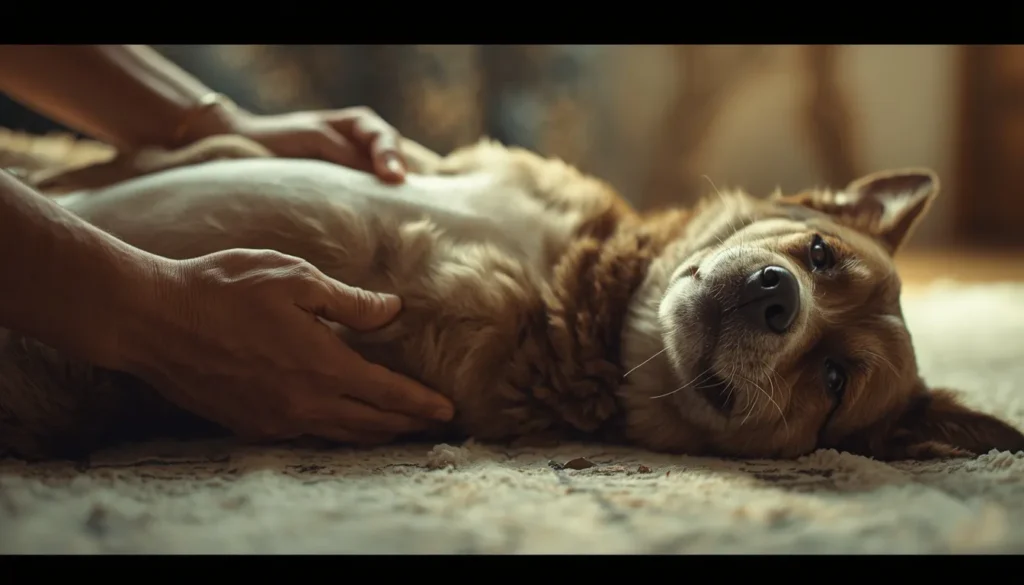
Signs my dog genuinely enjoyed belly rubs included:
- relaxed body posture
- loose tail movement
- leaning into touch
- soft facial expression
- staying close afterward
- asking for more
Sometimes he would literally reposition himself mid-rub like:
Nope. Right there. That spot.
Which honestly made the answer pretty obvious.
When Dogs May Not Want Belly Rubs
This mattered more than I expected.
Not every dog wants belly rubs all the time.
And some dogs simply dislike them.
I learned to pause if my dog seemed:
- tense
- uncomfortable
- trying to move away
- avoiding touch
- unusually stiff
Sometimes respecting space builds more trust than forcing affection.
And honestly?
That made future cuddles easier too.
I also noticed bedtime comfort habits often say a lot about how dogs settle emotionally:
Why Do Dogs Circle Before They Lay Down? Common Reasons Explained
What Helped Me Understand My Dog Better
The biggest shift came when I stopped assuming all belly rolls meant the same thing.
Instead, I started watching:
What is my dog actually trying to communicate right now?
That question helped much more.
I Paid Attention to Body Language
Relaxed dog?
Happy interaction.
Tense dog?
Different story.
Tiny details changed everything.
I Watched the Timing
Did belly exposure happen:
- during play?
- before bedtime?
- after excitement?
- during stressful moments?
Context explained more than I expected.
I Let My Dog Lead the Interaction
This helped the most.
Instead of assuming every roll-over meant:
Time for belly rubs.
I started waiting for cues.
That actually made interactions feel better for both of us.
When You Probably Don’t Need to Overthink It
In my experience, belly rubs are usually simple.
If your dog seems:
- relaxed
- happy
- playful
- affectionate
They probably just enjoy the moment.
Sometimes dogs really are just asking for attention in the funniest way possible.
Reader Questions
Why does my dog put their paw on me during belly rubs?
This honestly made me laugh the first time I noticed it too. Some dogs seem to use pawing as a way to keep interaction going, ask for more attention, or stay connected during affection. It can feel like their version of saying, don’t stop yet.
Why does my dog only want belly rubs before bed?
I noticed some dogs become extra affectionate during quieter evening routines. Belly rubs may sometimes feel calming, comforting or simply part of winding down before sleep. If your dog also seems restless or unusually clingy at night, you may also want to read:
Dog Anxiety at Night: Complete Guide to Help Your Dog Sleep Calmly
Why does my dog suddenly stop liking belly rubs?
This one surprised me because preferences can change. Mood, age, discomfort, routine changes or even overstimulation can sometimes affect how much touch a dog enjoys. What helped me most was paying attention to body language instead of assuming every dog always wants the same affection.
Why does my dog roll over when guests come over?
At first, I assumed this always meant confidence or friendliness. But sometimes dogs roll over during excitement, social interaction or even uncertainty around new people. The bigger clue usually comes from overall body language and how relaxed the dog seems.
Why does my dog want belly rubs only when I come home?
I noticed some dogs seem extra affectionate after being apart for a while. Sometimes belly rubs become part of reconnecting, attention-seeking or excitement during reunions. If your dog becomes extra attached or struggles when left alone, you may also want to read:
Separation Anxiety in Dogs: The Complete Guide
A Small Thing I Eventually Realized
For a while, I thought belly rubs were just a funny little dog habit.
But over time, I realized those moments often said more than I expected.
Sometimes trust.
Sometimes comfort.
Sometimes excitement.
And occasionally, just a dog finding another clever way to get attention.
What surprised me most was learning that the best answers usually came from paying attention to how my dog felt in the moment – not just what position he was lying in.
This experience is part of my journey with Pet Calm Care, where I share what I’m learning while trying to better understand sensitive, emotional and wonderfully unpredictable dogs.
