

 By
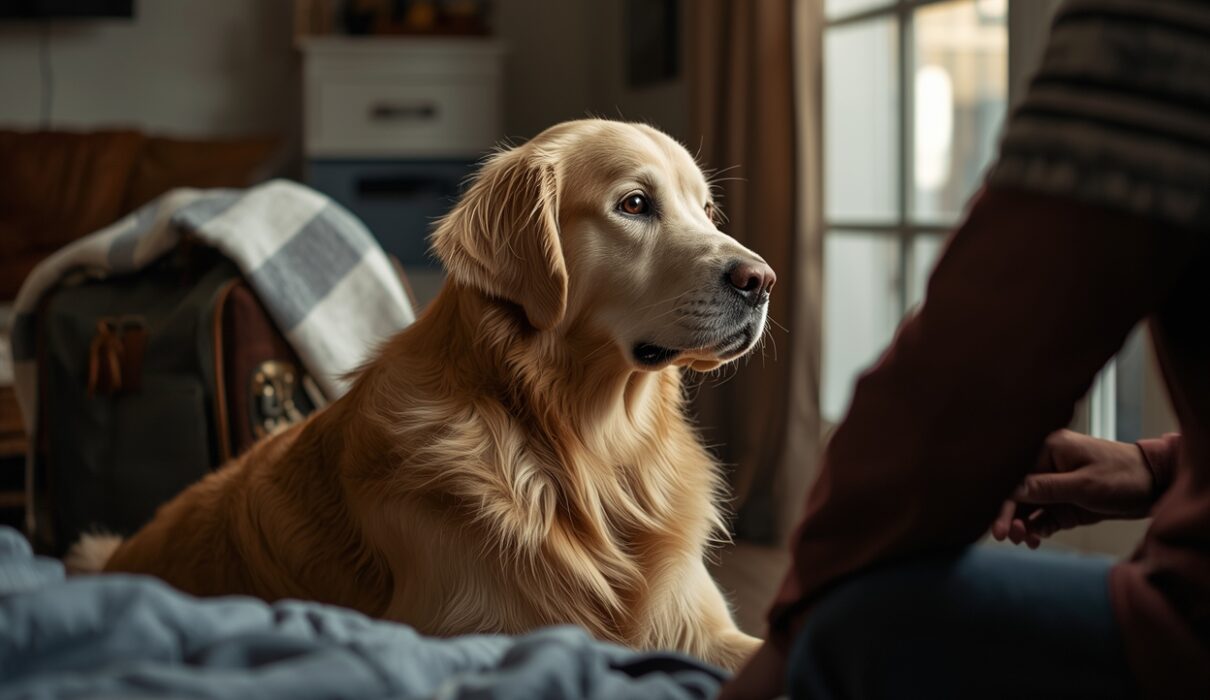
By Before I changed my approach, long trips used to start with stress.
Not just for my dog.
For me too.
I would pack quickly, rush to get everything done and hope he
would somehow settle once we got on the road.
Most of the time, he didn’t.
The restlessness often started before we even left the house.
Pacing.
Watching every movement.
Following me from room to room.
By the time we reached the car, he was already tense.
That’s when I realized something important:
the journey doesn’t begin when the car starts moving.
For an anxious dog, it begins the moment the routine changes.
Once I started preparing him before the trip instead of only
reacting during the drive, everything became easier.
Why Preparation Matters More Than Most People Think
Dogs notice patterns much earlier than we do.
They pick up on:
- suitcases coming out
- bags being packed
- keys moving
- changes in your tone
- unusual rushing around the house
For a sensitive dog, these changes can trigger anxiety before the actual trip.
That’s why I stopped treating preparation as something only for me.
Now I prepare my dog emotionally and physically before every long journey.
That shift made a huge difference.
What I Do the Night Before
This part helped more than I expected.
I used to leave everything for the last minute.
Now I prepare the night before so the morning feels calm.
I pack:
- water bowl
- travel water bottle
- favorite blanket
- familiar toy
- chew treat
- leash and harness
- cleanup supplies
- extra towel
- comfort item with home scent
Having familiar scents made the car feel less unfamiliar.
That small detail helped him settle faster.
I Keep His Routine As Normal As Possible
This was one of the biggest lessons for us.
Anxious dogs do better when the rest of the day still feels familiar.
So before a long trip, I try not to change everything at once.
Meals stay on schedule.
Walk time stays normal.
Rest time stays normal.
Keeping the routine steady before departure reduced anticipatory stress.
I Give Him a Calm Sniff Walk Before Leaving
This is one of the most effective things I do.
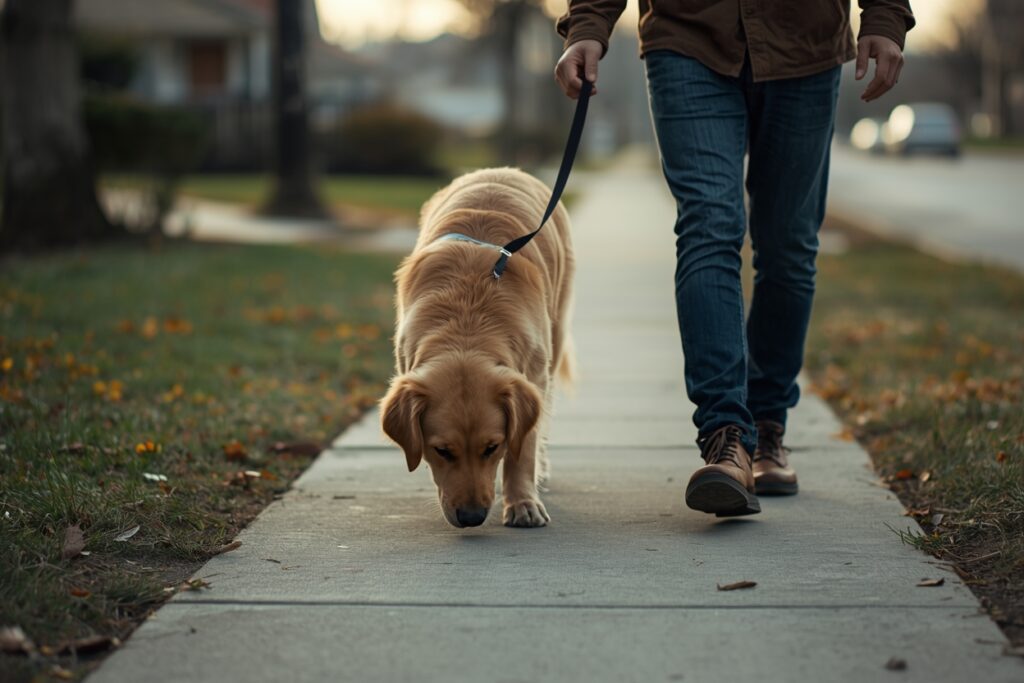
Before any long journey, I take him on a slow sniff walk.
Not a rushed potty break.
A real decompression walk.
I let him sniff freely and move at his pace.
This helps release nervous energy and lowers arousal before the car ride.
For us, this single step made the start of trips much smoother.
I Avoid Feeding Right Before the Trip
This helped a lot, especially during longer drives.
I don’t feed him a full meal right before leaving.
Instead, I give enough time for his stomach to settle.
This reduced discomfort and made the ride easier.
It also helped when I was still trying to figure out whether any nausea
was part of the problem.
I Prepare His Car Space Before He Gets In
I never wait until the last minute anymore.
Before bringing him out, I set up his spot first.
That includes:
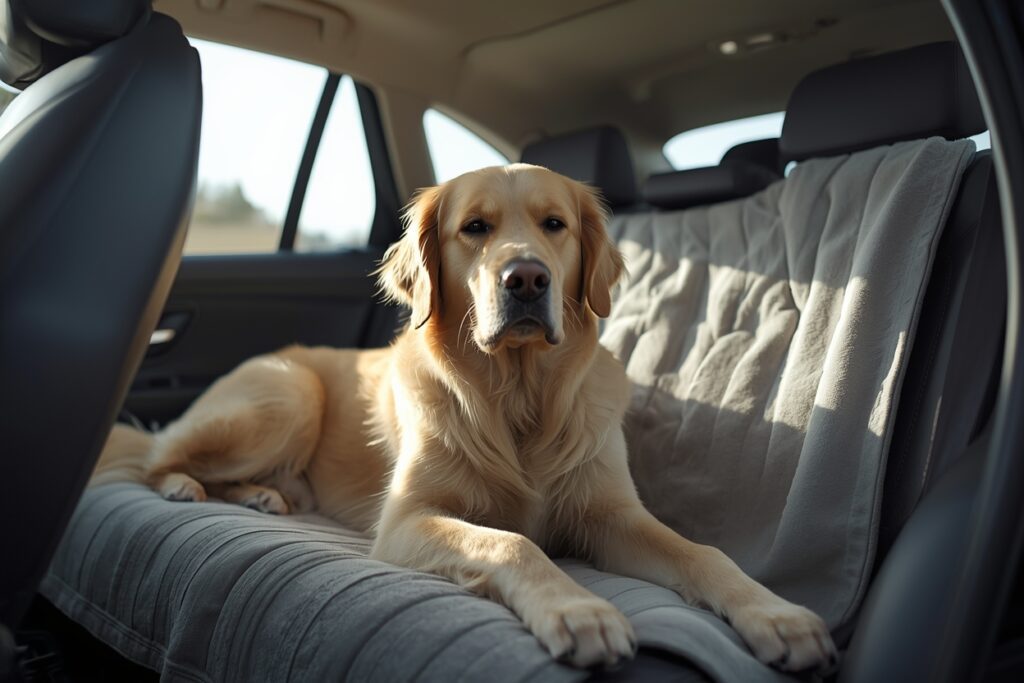
- blanket in the seat
- secure harness
- water within reach
- chew nearby
- window airflow ready
This way, the car already feels prepared and safe.
That predictability really helped him.
I Use Positive Association Before Leaving
One thing that changed everything was creating a calm pre-trip moment.
Instead of rushing him straight into the car, I pause.
A treat.
Soft praise.
A calm voice.
Then we load up.
This small moment helped reduce the fear that used to build before departure.
What I Bring for Longer Stops
For longer trips, I now always plan for breaks.
I keep these ready:
- leash by the front seat
- portable water
- poop bags
- small treats
- towel for paws
Having everything ready keeps the stop calm and predictable.
What Helped the Most
The biggest change was understanding that preparation is part of the calming process.
Before, I focused only on what to do during the ride.
Now I know that how the trip starts often decides how the trip goes.
When I prepare him calmly, the entire journey usually feels easier.
Reader Questions
How early should I start preparing my dog before a long trip?
It helps to start a few hours before leaving so your dog can stay relaxed and avoid picking up on last-minute rushing or sudden routine changes.
Can packing bags make my dog anxious?
Yes, many sensitive dogs notice small routine changes like suitcases, bags or unusual movement around the house and may start feeling stressed before the trip begins.
Should I let my dog rest before a long drive?
Absolutely. Giving your dog some quiet rest time before leaving can help them start the trip in a calmer state.
What is the best time of day for a long journey with an anxious dog?
Many dogs travel better during their naturally calmer hours, such as after a walk or during their usual nap time.
Can familiar scents help during travel?
Yes, bringing something that smells like home, such as a blanket or favorite toy, can make long trips feel much less overwhelming.
What This Journey Taught Me
What I learned is that travel anxiety often starts long before the road.
Once I began preparing my dog instead of simply expecting him to
adjust, long journeys became far less stressful for both of us.
This continues to shape my journey with Pet Calm Care.
Once we got better at preparing before the trip, the next thing that
really helped was learning how to handle rest stops and travel breaks
calmly. I’ve shared that routine in my guide on dog anxiety during road trips and travel breaks.
