

 By
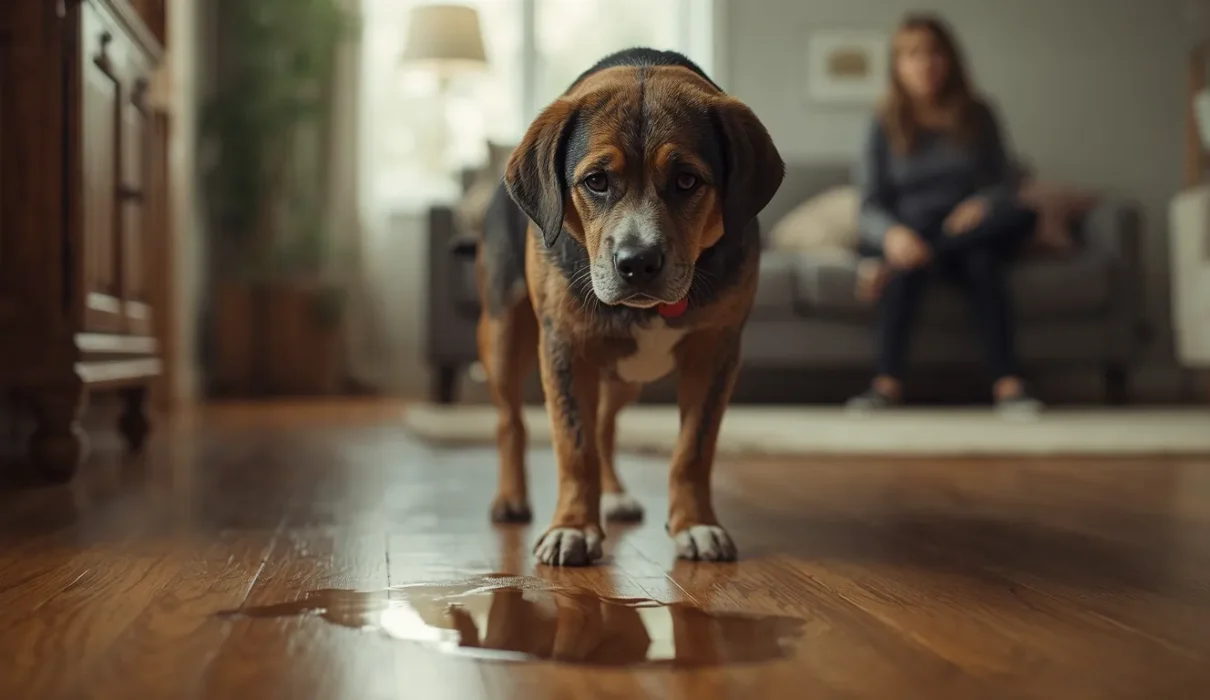
By Few things frustrate dog owners more than finding a fresh puddle on the floor.
Maybe your dog was doing well for months and suddenly started having accidents.
Maybe you’re dealing with a new puppy that hasn’t learned the rules yet.
Or perhaps you’ve tried everything you can think of, but your dog still keeps peeing in the house.
The first thing I want to say is this:
Indoor accidents are usually a symptom of something else.
Dogs don’t typically wake up and decide they want to make life difficult for their owners.
There is usually a reason behind the behavior.
The good news?
Once you identify the cause, the solution often becomes much clearer.
In this guide, we’ll look at the most common reasons dogs pee indoors and the practical steps that can help stop it.
Why Is My Dog Peeing in the House?
Before trying to fix the problem, it’s important to understand why it’s happening.
Several different causes can lead to indoor accidents and each one requires a different solution.
1. Incomplete House Training
This is one of the most common reasons, especially for puppies.
Some dogs simply haven’t learned that outdoors is the correct place to go.
Others may have learned partially but haven’t developed reliable habits yet.
2. Medical Problems
Sometimes peeing in the house has nothing to do with behavior.
Medical issues can make it difficult for a dog to control their bladder.
Examples include:
- Urinary tract infections
- Bladder stones
- Kidney problems
- Diabetes
- Age-related issues
If a dog suddenly starts having accidents after previously being reliable,
a medical cause should always be considered.
3. Stress and Anxiety
Dogs can sometimes urinate when they feel stressed, nervous or overwhelmed.
Common triggers include:
- Moving homes
- New family members
- Schedule changes
- Loud noises
- Separation from owners
If you’ve also noticed pacing, clinginess, excessive barking or restlessness, anxiety may be contributing to the problem.
Some dogs show stress through multiple behaviors at the same time, including excessive barking.
Learn more about how to stop a dog from barking.
4. Marking Behavior
Marking is different from normal urination.
Instead of emptying their bladder, dogs leave small amounts of urine to communicate.
This is often seen:
- Near doors
- On furniture
- Around new objects
- Near areas that smell like other animals
5. Not Going Outside Often Enough
Sometimes the explanation is surprisingly simple.
If dogs are expected to hold their bladder longer than they comfortably can, accidents become more likely.
This is especially true for:
- Puppies
- Senior dogs
- Small breeds
How Do I Stop My Dog From Peeing in the House?
Now let’s talk about solutions.
The key is identifying the cause and addressing it consistently.
Solution 1: Rule Out Medical Problems First
This step is often skipped.
But honestly, it should come first.
If your dog:
- Suddenly starts peeing indoors
- Is urinating more frequently
- Seems uncomfortable while urinating
- Has accidents despite previous success
it’s worth speaking with your veterinarian.
No amount of training will fix a medical condition.
That’s why health should always be ruled out first.
Solution 2: Take Your Dog Outside More Frequently
Many owners accidentally expect their dogs to hold it longer than they can.
For now, increase bathroom opportunities.
Take your dog outside:
- First thing in the morning
- After meals
- After naps
- After play sessions
- Before bedtime
More opportunities to succeed often mean fewer opportunities to fail.
Solution 3: Create a Consistent Bathroom Schedule
Dogs thrive on routine.
Random bathroom breaks often create confusion.
Try taking your dog out at roughly the same times every day.
Consistency helps dogs learn:
“This is when I go.”
Predictable schedules often speed up progress significantly.
Solution 4: Reward Outdoor Potty Success Immediately
This is one of the most effective strategies.
Many owners wait too long to reward.
Instead:
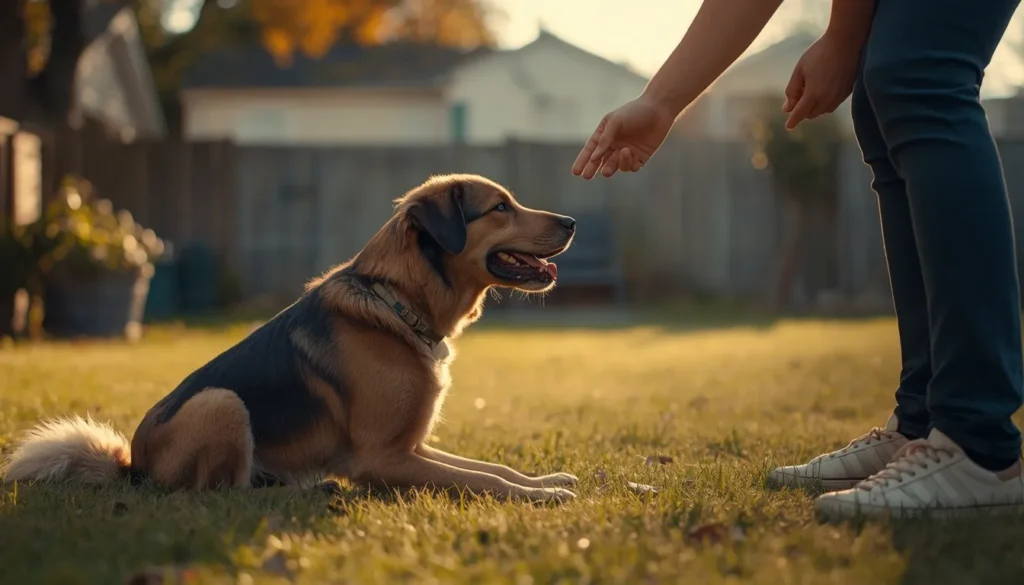
When your dog finishes peeing outside:
- Praise immediately
- Offer a treat
- Use a happy voice
The reward should happen within seconds.
This helps your dog connect the reward to the correct behavior.
Solution 5: Supervise More Closely Indoors
When accidents are happening frequently, freedom may need to be reduced temporarily.
Watch for signs such as:
- Sniffing the floor
- Circling
- Suddenly wandering away
- Looking restless
These behaviors often appear before urination.
The sooner you notice them, the easier it is to guide your dog outside.
Solution 6: Clean Accidents Properly
Dogs have powerful noses.
If urine odor remains, the same location often becomes attractive again.
Use an enzymatic cleaner designed specifically for pet accidents.
Avoid simply covering the smell with household cleaners.
To your dog, the scent may still be there.
Solution 7: Address Stress and Anxiety Triggers
This solution is often overlooked.
If accidents appear after:
- Moving house
- Changes in routine
- Family changes
- Long periods alone
stress may be playing a role.
Helping your dog feel calmer and more secure can sometimes reduce indoor accidents.
If anxiety seems to be a factor, our guide on why dogs suddenly become anxious may help.
Solution 8: Avoid Punishment
Many owners become frustrated and punish their dog after finding an accident.
Unfortunately, this usually doesn’t help.
Why?
Because the dog often doesn’t connect the punishment to the earlier accident.
Instead, they may simply learn that people become scary around urine.
This can create confusion and anxiety without solving the problem.
Solution 9: Limit Access to Problem Areas
If your dog repeatedly pees in certain rooms, temporarily block access.
Use:
- Baby gates
- Closed doors
- Exercise pens
Reducing opportunities can help break established habits.
Solution 10: Use Crate Training Correctly
When used properly, crate training can support house training.
Most dogs naturally avoid soiling the area where they sleep.
Important:
The crate should never be used as punishment.
It should be a safe and comfortable space.
Used correctly, crate training can help build better bladder habits.
The more chances your puppy gets to succeed outside, the faster they learn.
When Should You Contact a Veterinarian?
Some situations deserve professional attention.
Consider contacting your vet if:
- Accidents start suddenly
- Urination frequency increases dramatically
- Your dog appears uncomfortable
- Blood appears in urine
- House training progress stops completely
- Senior dogs develop new accidents
Medical causes should never be ignored.
How Long Does It Take to Stop a Dog From Peeing in the House?
This depends on the cause.
Puppies
Often improve over several weeks or months with consistent training.
Adult Dogs
May improve within days if the issue is routine related.
Anxiety-Related Cases
Often require more time because the emotional cause must also be addressed.
The important thing is focusing on steady progress rather than perfection.
A Small Thing I Eventually Realized
When a dog pees in the house, it’s easy to see the accident.
It’s harder to see the reason behind it.
But that’s usually where the solution begins.
Whether the cause is:
- incomplete training
- stress
- marking
- medical issues
- schedule problems
the accident is often just a clue.
Once you identify what’s causing the behavior, helping your dog succeed becomes much easier.
And honestly?
Most dogs want to get it right.
They simply need clear routines, patience and guidance from the people they trust.
This experience is part of my journey with PetCalmCare, where I share what I’m learning while trying to better understand dog behavior and create calmer, happier homes for our pets.
