

 By
By It is one of those thoughts many dog owners quietly have.
Maybe after a cuddle.
A long walk.
Or one of those moments when your dog looks at you in a way that somehow feels deeper than words.
And naturally, the question comes up:
Does my dog know I love him?
Honestly?
I used to wonder this too.
Dogs cannot understand words the way humans do.
So if we cannot literally explain love to them…
Do they still feel it somehow?
The more I paid attention, the more I realized dogs may understand love differently than we expect.
Not through long conversations.
Or emotional speeches.
But through everyday things we sometimes barely notice.
Routine.
Comfort.
Safety.
Attention.
Consistency.
In this guide, we’ll look at how dogs may understand love, signs your dog already feels connected to you
and simple ways to show affection in ways dogs actually understand.
Dogs Understand Love Differently Than Humans
This was probably the biggest thing that changed how I looked at my relationship with my dog.
Humans often express love through:
- words
- hugs
- conversations
- emotional reassurance
Dogs?
They often understand relationships through:
- routine
- trust
- tone of voice
- safety
- consistent care
Which honestly made more sense the longer I thought about it.
Dogs may not understand:
I love you
the way humans do.
But they often understand:
You make me feel safe.
And honestly?
That may matter even more.
Ways Dogs May Recognize Love
1. Daily Care Says More Than Words
This felt surprisingly important.
Dogs notice consistency.
Things like:
- feeding routines
- walks
- comfort
- playtime
- daily care
may slowly build emotional trust.
At first, I assumed love had to feel obvious.
Eventually, it felt more like something dogs quietly learn over time.
Almost like:
This person always takes care of me.
And honestly?
That feels a lot like trust.
2. Voice, Attention and Emotional Presence
Dogs pay attention to tone more than people sometimes realize.
Even without understanding every word, many dogs seem highly tuned in to:
- voice changes
- emotional energy
- calm attention
- routines
Which partly explains why dogs sometimes relax simply from hearing a familiar voice.
This also helps explain why some dogs react strongly when favorite people come home.
If your dog gets extra emotional during reunions too, you may also want to read:
Do Dogs Remember People? How Dogs Really Recognize Humans
3. Touch and Physical Affection
This part honestly depends on the dog.
Some dogs love:
- cuddles
- belly rubs
- leaning against people
- physical closeness
Others prefer affection in quieter ways.
The biggest thing I learned?
Love does not always look the same for every dog.
Gentle touch that feels safe often matters much more than forced affection.
If your dog enjoys physical affection too, you may also want to read:
Why Do Dogs Like Belly Rubs? What Your Dog Is Really Telling You
4. Comfort, Safety and Trust
This one honestly felt bigger than anything else.
Dogs often seem deeply connected to people who make life feel predictable and safe.
Simple things like:
- familiar routines
- quiet reassurance
- safe environments
- emotional calm
may build trust more than dramatic moments ever do.
Which honestly changed how I thought about love.
Sometimes it looked less emotional…
And more dependable.
Trust and emotional comfort can sometimes show up through body language too:
Why Do Dogs Show Their Belly? What It Really Means
5. Smell and Familiar Presence
Dogs experience the world through scent.
More than most people realize.
Familiar smells often feel comforting.
Which may partly explain why dogs sometimes:
- sleep near owners
- relax more around familiar people
- follow people around the house
Even being nearby sometimes seems meaningful to dogs.
How to Say I Love You in Dog Language
This honestly felt more helpful than simply saying the words.
Because dogs seem to understand actions much better than speeches.
If you have ever wondered how to say I love you in dog language, simple things often matter most.
1. Respect Their Comfort
Not every dog wants constant hugs or touching.
Paying attention to comfort levels often builds more trust.
2. Spend Calm, Consistent Time Together
Walks.
Quiet moments.
Playtime.
Routine.
These things often seem to matter more than people expect.
3. Use Gentle Voice and Positive Attention
Dogs often connect calm voices with safety.
Even small everyday moments seem meaningful.
4. Learn What Your Dog Actually Enjoys
Some dogs love belly rubs.
Others prefer sitting nearby.
Understanding what makes your dog feel safe may honestly say:
I care about you
more clearly than words.
Small Signs Your Dog May Already Feel Loved
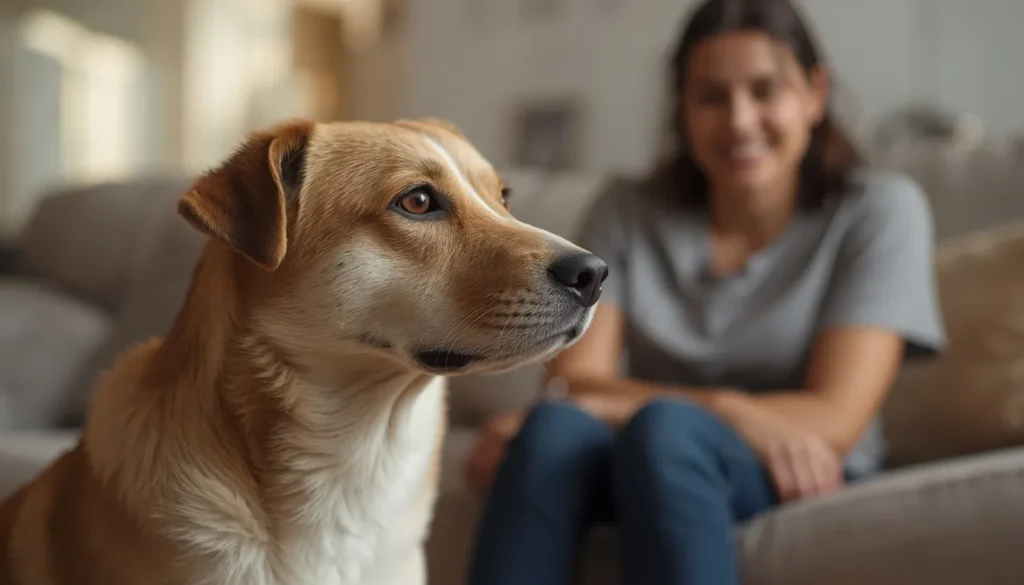
Sometimes the signs feel surprisingly quiet.
Things that may show emotional comfort include:
- following you around
- relaxed sleeping near you
- soft eye contact
- excitement when you return home
- leaning into affection
- choosing to stay nearby
Not every dog expresses connection dramatically.
And honestly?
That surprised me.
Sometimes trust feels quiet.
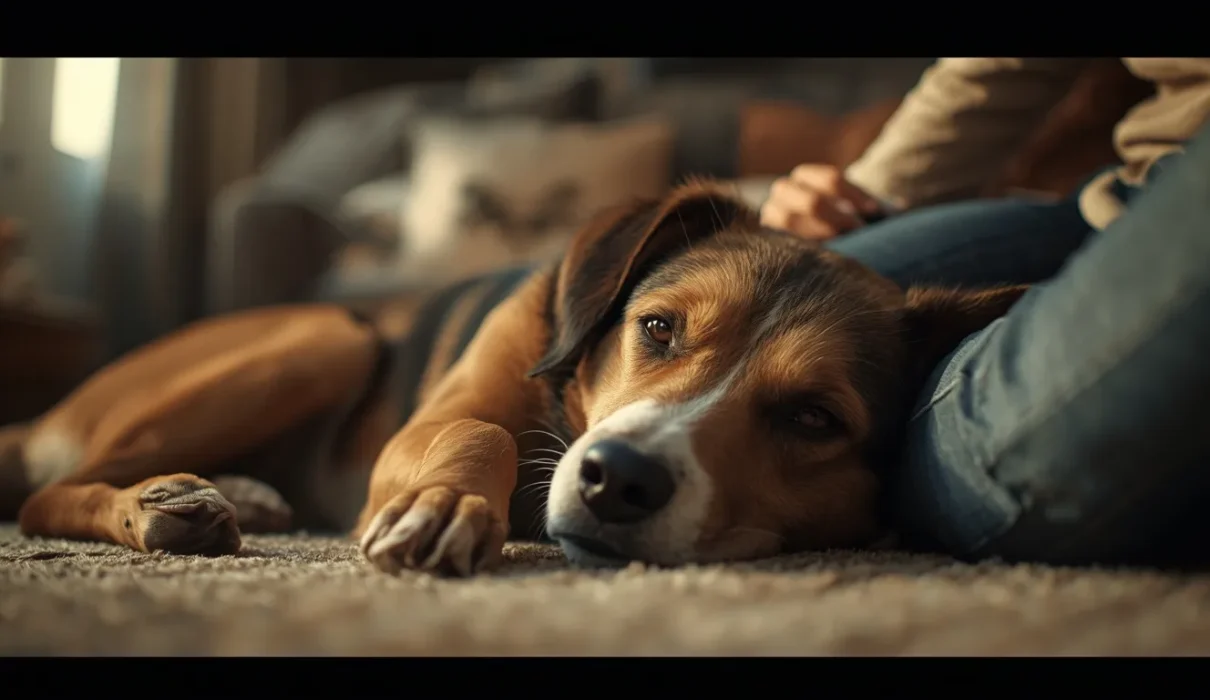
Some dogs also show closeness by wanting to physically stay near trusted people:
Why Does My Dog Lay on Me? Common Reasons and What It Really Means
Things Dogs May Understand Better Than Words
At one point, I realized dogs probably understand emotions differently than language.
They may not fully understand:
I love you.
But they often seem to understand:
- kindness
- safety
- consistency
- attention
- comfort
And honestly?
That felt strangely reassuring.
Simple Things That Helped Me Feel More Connected
The biggest shift came when I stopped wondering:
Does my dog know I love him?
And started asking:
Does my dog feel safe and happy with me?
That question changed everything.
I Focused Less on Words
Dogs often seem to understand actions better.
Consistency mattered more than saying the perfect thing.
I Paid Attention to What My Dog Enjoyed
Every dog felt different.
Understanding preferences helped the bond feel more natural.
I Stopped Comparing My Dog to Other Dogs
Some dogs are clingy.
Some independent.
That never seemed to mean love mattered less.
Reader Questions
Why does my dog follow me everywhere if they love me?
Some dogs stay physically close because they feel safe, comfortable or emotionally connected to favorite people. Following behavior may sometimes be part of bonding, routine or simply wanting to stay near someone they trust.
Why does my dog stare at me so much?
Dogs often pay close attention to people they trust. Sometimes staring may simply mean affection, curiosity, waiting for attention or feeling emotionally connected during quiet moments. Some dogs also seem to watch favorite people closely as part of bonding and familiarity. If your dog often watches you in a way that feels unusually focused or emotional, you may also want to read: Why Does My Dog Stare at Me? What It Really Means.
Why does my dog sleep next to me every night?
Many dogs seem to prefer sleeping near people who feel familiar and safe. Sleeping close may sometimes reflect comfort, trust, warmth or emotional security.
How can I make my dog feel more loved?
Dogs often respond best to consistency, patience, calm attention and routines that make life feel predictable. Small everyday things – like walks, playtime, gentle affection and emotional calm – may sometimes matter more than big gestures.
Why does my dog become upset when I leave?
Some dogs form very strong emotional bonds and may struggle when favorite people leave the house. If your dog becomes clingy, anxious or distressed during separations, you may also want to read: Separation Anxiety in Dogs: The Complete Guide.
A Quiet Thing I Eventually Realized
For a while, I kept wondering whether my dog somehow understood how much I cared.
But eventually, something started feeling clearer.
Maybe dogs do not experience love exactly the way humans describe it.
But they seem to understand something close to it.
Comfort.
Trust.
Safety.
Connection.
And honestly?
When a dog chooses to relax near you, feels safe around you or simply lights up when you walk through the door…
That probably says more than words ever could.
This experience is part of my journey with PetCalmCare, where I share what I’m learning while trying to better understand sensitive, emotional and wonderfully unpredictable dogs.
