

 By
By (What I didn’t understand about the in-between moments)
For a long time,
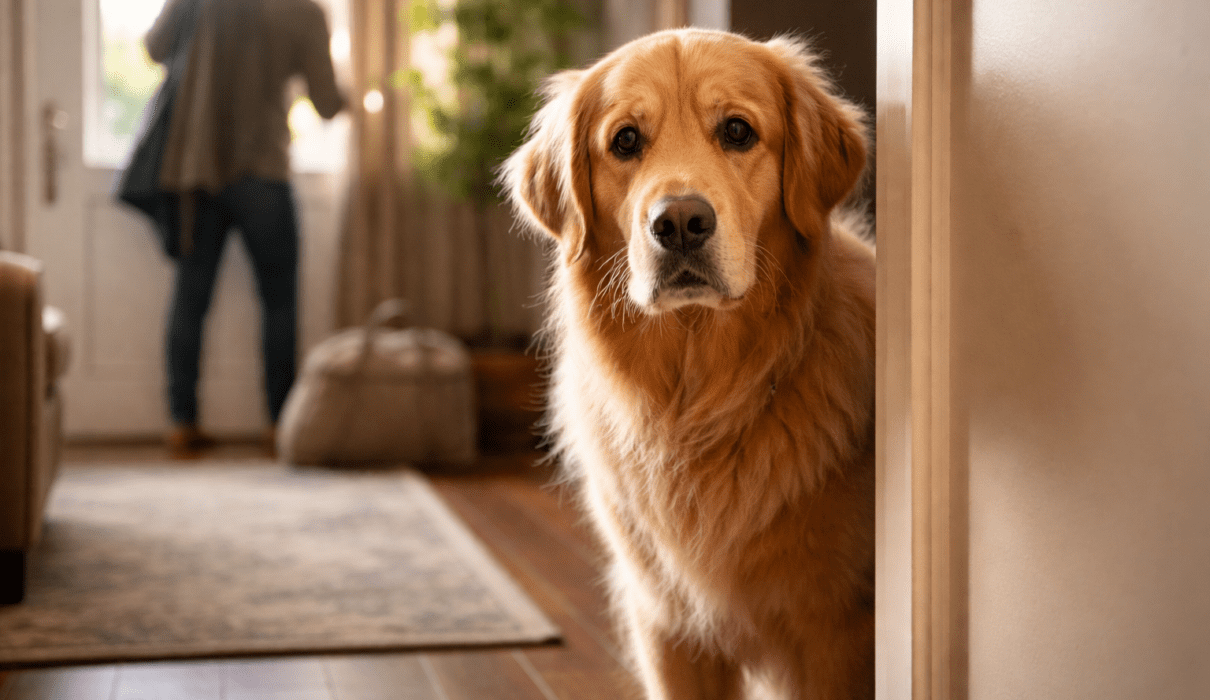
I thought my dog’s anxiety had clear causes.
When I left the house.
When loud noises happened.
When something “big” changed.
But over time, I noticed something strange.
My dog wasn’t always anxious during events.
He was anxious between them.
During transitions.
That’s what took me the longest to understand.
The anxiety didn’t come from what was happening
It came from what was about to happen
My dog seemed fine most of the day.
Then suddenly:
- pacing
- restlessness
- following me closely
- watching every move
Nothing obvious had happened yet.
But something was changing.
And that change alone was enough to trigger anxiety.
What I slowly realized about transitions
Dogs don’t experience time the way we do.
They don’t think:
“Dinner is in 30 minutes”
“Bedtime is coming”
“You’ll be back soon”
They feel shifts.
Energy shifts.
Movement shifts.
Routine shifts.
And those in-between moments can feel unsettling.
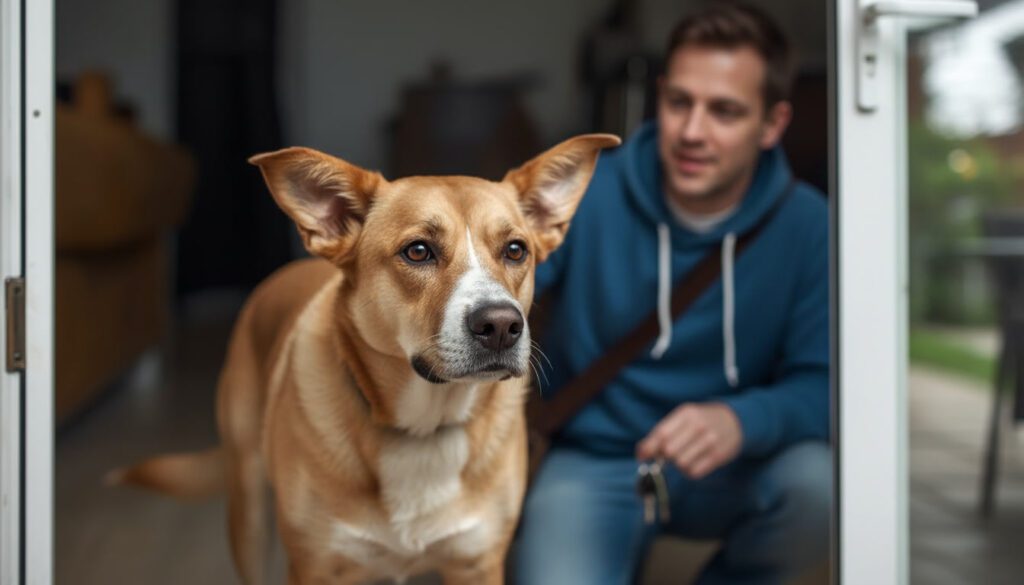
Transitions that triggered anxiety for my dog
Once I started paying attention, patterns became clear.
Anxiety showed up during:
- getting ready to leave
- coming back home
- evening slowing down
- moving from play to rest
- changes in tone or pace
Not during the main event –
but during the shift toward it.
Why transitions feel harder than the event itself
This was the biggest insight for me.
Events are clear.
Transitions are uncertain.
During transitions:
- expectations change
- predictability drops
- the nervous system stays alert
My dog wasn’t reacting to fear.
He was reacting to uncertainty.
I used to miss these moments completely
Earlier, I focused only on obvious anxiety.
Crying.
Shaking.
Destruction.
But transition anxiety is quieter.
It looks like:
- pacing without direction
- hovering nearby
- inability to settle
- alert body language
Easy to dismiss.
Easy to misunderstand.
Why my dog struggled even when nothing “bad” happened
This confused me at first.
I’d think:
“Nothing is wrong. Why is he restless?”
But something was happening.
The house energy was changing.
The pace was shifting.
My focus was moving.
For an anxious dog,
that’s enough.
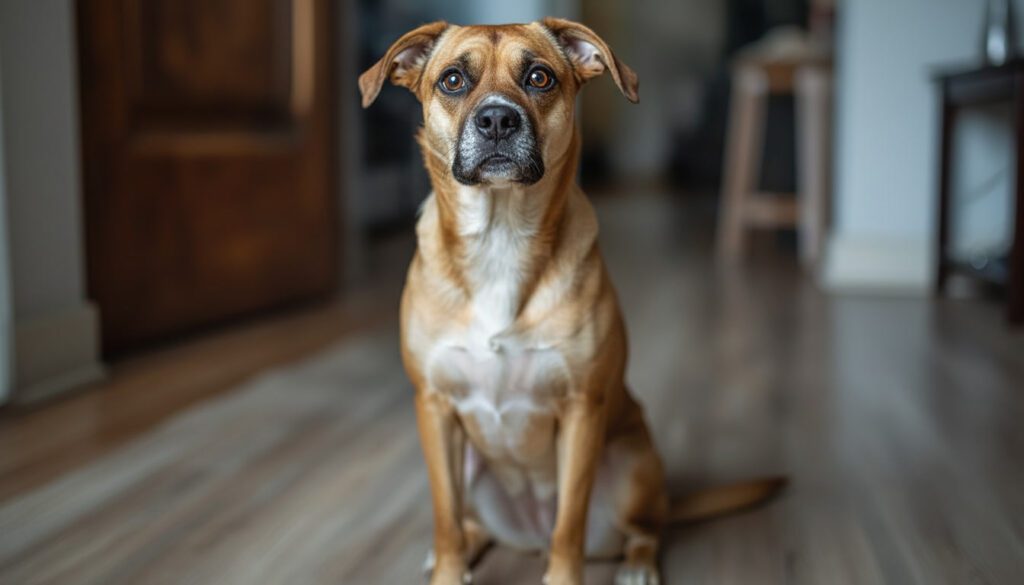
How my own behavior added to the problem
This part was uncomfortable to admit.
During transitions, I:
- rushed
- became distracted
- changed my tone
- moved quickly
I didn’t mean to.
But my dog felt it.
Transitions amplified my energy –
and anxiety followed.
What changed when I started supporting transitions
I stopped trying to “fix” anxiety.
Instead, I focused on:
- smoothing transitions
- slowing them down
- making them predictable
Nothing dramatic.
Just awareness.
Small changes that made transitions easier
I didn’t overhaul everything.
I just:
- slowed my movements
- kept my tone consistent
- avoided sudden shifts
- created repeatable patterns
Those small signals told my dog:
“Nothing bad is coming.”
Why this mattered more than training
This wasn’t about commands.
Or discipline.
Or independence.
It was about emotional continuity.
Once transitions felt safer,
everything else softened naturally.
What transition anxiety taught me
Anxiety isn’t always about fear.
Sometimes it’s about not knowing
what comes next.
When I stopped focusing only on events
and started supporting the in-between moments,
my dog felt less on edge.
And so did I.
What I understand now
Anxiety doesn’t live in moments alone.
It lives in patterns.
And transitions are where those patterns reveal themselves.
Once I learned to see them,
I could finally start helping –
without pushing, forcing or rushing.
This experience is part of my journey with Pet Calm Care,
and it changed how I look at anxiety completely.
This post focuses on understanding the reaction, while the changes
that actually helped over time are shared in
