

 By
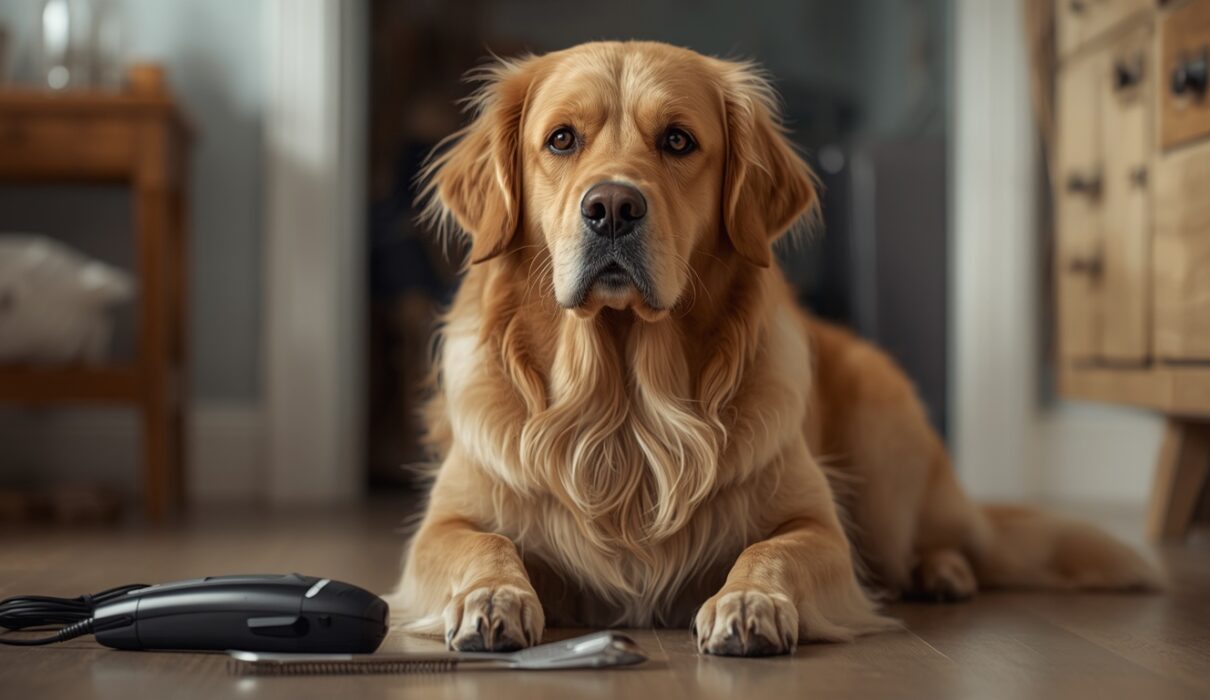
By My dog used to get anxious the moment I picked up any grooming tool – whether it was a brush, clippers or even a towel.
He would move away, stay tense and sometimes react before I even touched him.
Over time, I realized that dog anxiety around grooming tools isn’t about the tool itself it’s about how unpredictable and
uncomfortable the experience feels to them.
Why Grooming Tools Trigger Anxiety in Dogs
At first, I thought it was just resistance.
But once I paid closer attention, the reasons became clear.
1. Sudden Sounds and Vibrations
Tools like clippers or dryers create unfamiliar sounds and vibrations.
For a dog, this can feel intense and unpredictable.
Even a low buzzing sound was enough to make my dog alert and uneasy.
2. Touch Sensitivity
Brushing or grooming often involves areas that are sensitive.
If a dog isn’t used to that kind of handling, it can quickly feel uncomfortable.
I noticed my dog reacted more to certain spots than others.
3. Lack of Control During Handling
Grooming often means staying still while being handled.
That lack of control can create stress, especially if the dog doesn’t feel safe.
4. Tools Become a Trigger Over Time
Even before using them, just picking up a tool can create a reaction.
This happens when dogs start associating the object with discomfort.
What I Stopped Doing First
Before things improved, I had to change my approach.
I stopped:
- bringing tools out suddenly
- starting grooming without preparation
- holding him too firmly
- trying to finish everything quickly
Every time I rushed, his reaction got stronger.
What Finally Helped My Dog Stay Calm Around Grooming Tools
This is where things slowly started to improve.
Instead of focusing on grooming, I focused on how he experienced it.
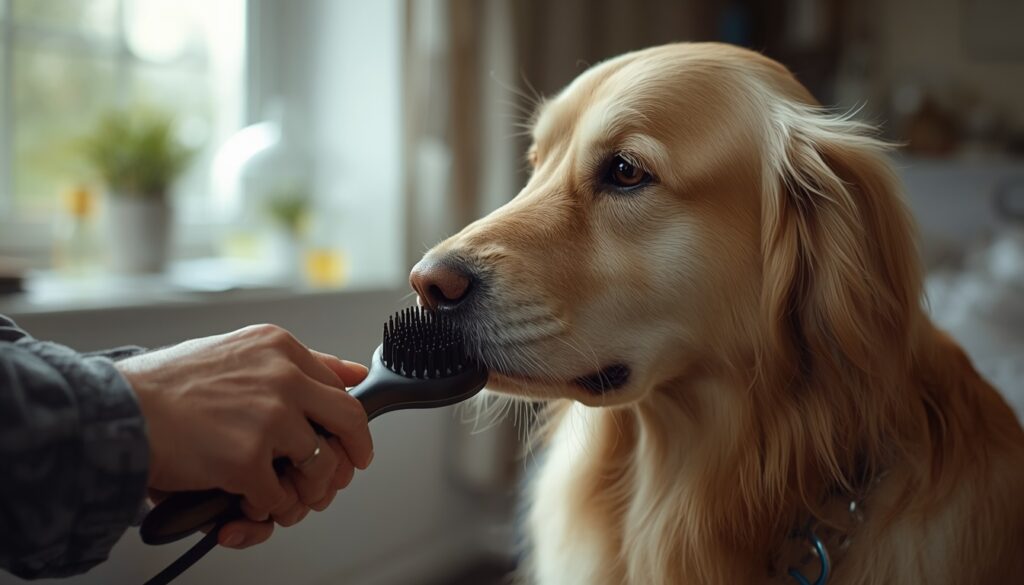
1. I introduced tools without using them
This made a huge difference.
I didn’t start grooming right away.
- just placed the tool nearby
- let him see and sniff it
- no pressure to engage
Over time, the tool stopped feeling like a threat.
2. I separated the sound from the experience
For tools like clippers, the sound itself was a trigger.
So I worked on that first:
- turned it on at a distance
- kept sessions short
- didn’t combine it with handling
This helped reduce sensitivity to the noise.
3. I started with the least sensitive areas
Instead of going straight to difficult spots,
I chose areas where he was more comfortable.
This helped build trust before moving to sensitive areas.
4. I kept sessions shorter than needed
I stopped before he got uncomfortable.
Even a few seconds was enough in the beginning.
That helped him feel like the experience was manageable.
5. I avoided stacking multiple triggers together
Earlier, I would combine everything:
- tool + handling + sound
Now I separated them.
This reduced overwhelm.
6. I paid attention to his body language
I stopped waiting for resistance.
Instead, I watched for early signs:
- slight tension
- hesitation
- posture change
And adjusted immediately.
7. I made the process predictable
Same place.
Same timing.
Same approach.
This consistency helped him feel more secure.
8. I stayed neutral instead of overly reassuring
Too much talking or reacting sometimes made him more alert.
So I stayed calm and steady.
That helped him settle faster.
What Made the Biggest Difference
The biggest change happened when I stopped trying to get through grooming.
Instead, I treated it as a gradual process.
Once my dog understood that nothing sudden or uncomfortable would happen,
his reaction started to change.
Not instantly.
But consistently.
Reader Questions
Why does my dog seem more anxious around grooming tools on some days than others?
A dog’s stress level, energy, environment and previous experiences that day can all affect how strongly they react during grooming.
Can the smell of grooming products affect my dog’s comfort level?
Yes, some dogs are sensitive to strong or unfamiliar smells, especially during already stressful situations like grooming.
Should grooming happen before or after exercise for an anxious dog?
Some dogs handle grooming better after light physical activity because they are more relaxed and mentally settled.
Why does my dog act differently with professional groomers than at home?
Dogs often respond differently depending on the environment, handling style, sounds and overall familiarity of the situation.
Can long fur or matting increase grooming-related stress in dogs?
Yes, tangled or matted fur can make brushing more uncomfortable, which may increase sensitivity and resistance over time.
Do some dogs become more sensitive to grooming as they get older?
Older dogs may develop increased sensitivity due to age-related discomfort, reduced tolerance or changes in mobility.
Can repeated stressful grooming sessions affect trust over time?
Yes, if a dog repeatedly feels overwhelmed during grooming, it can slowly affect their comfort and trust during handling routines.
What This Experience Taught Me
Grooming anxiety isn’t really about brushes or clippers.
It’s about trust, control and predictability.
Once I focused on those, everything became easier.
This continues to shape my journey with Pet Calm Care.
Many dogs that struggle with grooming tools also show
signs of stress during baths and other grooming routines.
