

 By
By Most dog owners notice it at some point.
A little licking.
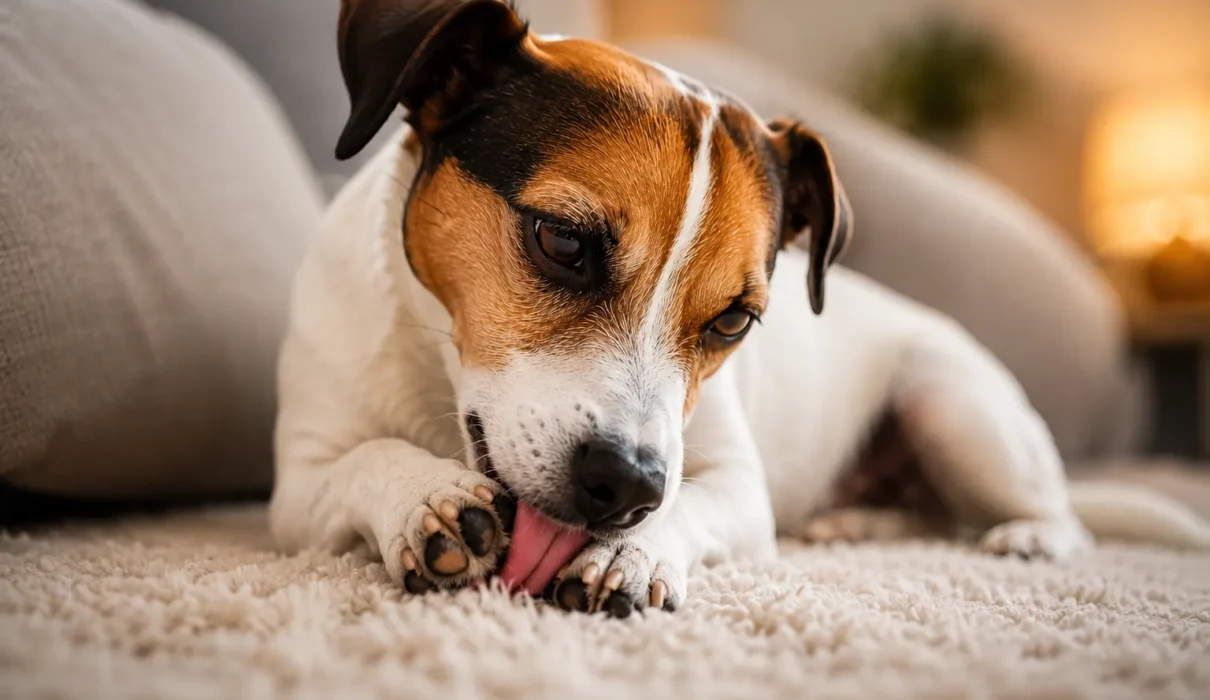
A quick nibble on a paw.
Nothing that seems unusual at first.
But then it keeps happening.
Maybe every evening.
Maybe several times a day.
Maybe to the point where your dog seems completely focused on their feet.
And naturally, you start wondering:
Why do dogs chew their paws?
At first, I assumed it was just one of those random dog habits.
But the more I learned, the more I realized paw chewing can happen for many different reasons.
Sometimes it is something simple.
Sometimes it points to irritation, discomfort, or even emotional stress.
In this guide, we’ll look at common reasons dogs chew their paws, when the behavior is usually harmless
and signs that may deserve a closer look.
Paw Chewing Is More Common Than Many Owners Realize
This honestly surprised me.
Many dogs chew or lick their paws occasionally.
A brief grooming session after a walk?
Usually not unusual.
A quick lick before settling down for sleep?
Also fairly common.
The bigger question is often:
How often is it happening?
Occasional paw attention feels very different from a dog that spends long periods licking, chewing or biting at their feet every day.
That difference matters.
Common Reasons Dogs Chew Their Paws
1. Allergies and Skin Irritation
One of the most common causes of paw chewing is irritation.
Dogs walk through:
- grass
- pollen
- dirt
- dust
- outdoor allergens
Every day.
For some dogs, exposure can lead to itchy paws.
And honestly?
The chewing may simply be an attempt to relieve the irritation.
Some dogs seem especially affected during certain seasons.
2. Dry or Irritated Paw Pads
Paw pads work hard.
Hot sidewalks.
Cold weather.
Dry conditions.
Rough surfaces.
All of these can sometimes leave paws feeling irritated.
A dog may chew their paws simply because the skin feels uncomfortable.
3. Something Stuck Between the Toes
This felt surprisingly common.
Tiny things like:
- grass seeds
- burrs
- small pebbles
- dirt buildup
can sometimes get trapped between the toes.
And honestly?
Even something very small may feel incredibly annoying to a dog.
When chewing starts suddenly, this is often worth checking first.
4. Boredom and Habit Behaviors
Sometimes the reason has nothing to do with the paw itself.
Dogs that lack:
- mental stimulation
- exercise
- enrichment
may develop repetitive habits.
For some dogs, paw chewing becomes one of those habits.
Especially during quiet periods of the day.
5. Anxiety and Emotional Stress
This was one of the most interesting things I learned.
Some dogs chew their paws during stressful situations.
Not because the paws hurt.
But because the behavior becomes calming.
In some cases, paw chewing may appear alongside:
- pacing
- restlessness
- clinginess
- nervous behaviors
If your dog’s chewing seems connected to emotional changes, our guide on
why dogs suddenly become anxious may also help.
6. Minor Injuries and Paw Discomfort
A small cut.
A cracked pad.
A thorn.
A scrape.
Sometimes dogs focus intensely on one paw because something genuinely hurts.
This is especially worth considering if the chewing seems limited to a single paw.
7. Parasites and Skin Problems
Certain skin conditions can make paws feel extremely itchy.
Some dogs may chew repeatedly because of:
- mites
- fleas
- skin irritation
- infections
When chewing becomes constant, the skin itself may need closer attention.
Small health changes often show up through everyday behaviors. Another commonly overlooked sign
is unusual breath odor. Learn more about why a dog’s mouth may smell so bad.
When Paw Chewing Starts Becoming Excessive
This was the point where I started paying more attention.
Occasional chewing feels different from excessive chewing.
Some signs include:
- redness
- swelling
- hair loss
- dark saliva staining
- irritated skin
- chewing throughout the day
The longer the cycle continues, the harder it may become for the skin to recover.
Why Some Dogs Chew Their Paws More at Night
Many owners notice this.
The house gets quiet.
The distractions disappear.
And suddenly the chewing seems more obvious.
Sometimes this simply happens because dogs finally have time to focus on discomfort they ignored during the day.
In other cases, boredom or habit behaviors may become more noticeable during quiet evening hours.
Simple Things That May Help Reduce Paw Chewing
Regular Paw Checks
Honestly, this helped more than I expected.
A quick look between the toes may sometimes reveal the cause immediately.
Cleaning Paws After Walks
Removing dirt, pollen and outdoor debris may help reduce irritation for some dogs.
Especially during allergy seasons.
Addressing Stress and Boredom
Some dogs simply need more engagement.
Activities like:
- walks
- play sessions
- training games
- enrichment toys
may help reduce repetitive behaviors.
Monitoring Seasonal Patterns
If chewing seems worse during certain months, allergies may be playing a role.
Keeping track of when symptoms appear can sometimes reveal useful patterns.
Signs It May Be Time for a Closer Look
While occasional paw chewing is common, some situations deserve more attention.
For example:
- bleeding
- swelling
- limping
- strong odor from the paw
- sudden severe chewing
- signs of pain
Those situations feel different from normal grooming behavior.
If a paw issue needs professional attention but your dog becomes stressed during appointments, our guide
on dog anxiety at the vet may help make visits less overwhelming.
Reader Questions
Why does my dog only chew one paw instead of all four?
When a dog focuses on a single paw, it may sometimes point to a localized issue such as irritation, a small injury, something stuck between the toes or discomfort affecting that specific area. A sudden change in one paw often feels different from generalized itching.
Why does my dog chew their paws after coming inside?
Some dogs seem more aware of irritation once they settle down indoors. Things picked up during walks, changes in temperature or simply having fewer distractions may make paw chewing more noticeable after coming inside.
Why does my dog chew their paws even when they look completely normal?
Not every cause is visible right away. Mild irritation, habit behaviors, boredom or emotional stress may sometimes trigger chewing before obvious redness or swelling appears.
Why does my dog chew their paws more when left alone?
Some dogs seem to focus on repetitive behaviors when the house becomes quiet or when favorite people are away. If paw chewing appears mostly during separations, it may be helpful to learn more about separation anxiety in dogs and how emotional stress can affect behavior.
A Small Thing I Eventually Realized
For a while, every time I saw a dog chewing their paws, I assumed something must be seriously wrong.
But eventually I realized the behavior is often more complicated than that.
Sometimes a dog is dealing with allergies.
Sometimes a minor irritation.
Sometimes boredom.
Sometimes stress.
And honestly?
The paw chewing itself is often less important than the reason behind it.
Once you start looking for the cause instead of only the behavior, things often begin making a lot more sense.
This experience is part of my journey with Pet Calm Care, where I share what I’m learning while trying to better understand sensitive, emotional and wonderfully unpredictable dogs.
