

 By
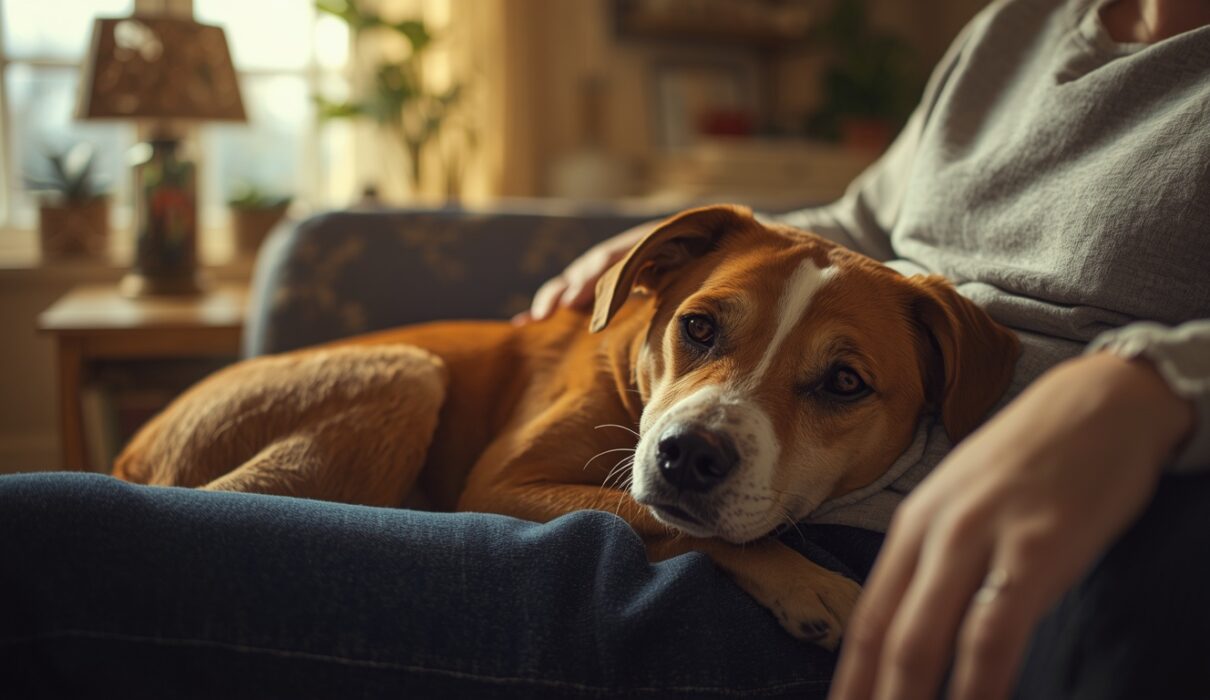
By If you have ever wondered, why does my dog lay on me?, you are definitely not alone.
My dog slowly turned this into a daily habit. Sometimes across my legs while watching TV. Sometimes resting on my feet while I worked. And occasionally, somehow taking over half the bed at night.
At first, I thought he was just being clingy. But after paying closer attention, I realized dogs often lay on their owners for very different reasons depending on the situation.
Sometimes it is affection. Sometimes comfort. Sometimes emotional reassurance. And occasionally, it can point to stress or attachment.
In this guide, I’ll share the most common reasons dogs lay on people, what I noticed with my own dog and when this behavior may deserve closer attention.
Is It Normal for Dogs to Lay on You?
In most cases, yes.
Dogs are naturally social animals and often feel safest near the people they trust.
For many dogs, laying on their owner simply feels comforting.
But I slowly realized timing matters.
A relaxed dog cuddling during movie night feels very different from a dog suddenly refusing to leave
your side after stressful changes.
That small difference helped me understand the behavior much better.
1. Your Dog Feels Safe Around You
This was probably the biggest reason for my dog.
I noticed he wanted physical closeness most during moments that felt unfamiliar or overwhelming.
Things like:
- loud noises
- visitors coming over
- stressful days
- routine changes
Instead of resting somewhere else, he stayed close.
Sometimes on my legs.
Sometimes right beside me.
Sometimes directly leaning against me.
Over time, I realized my presence itself felt calming to him.
For many dogs, laying on their owner simply means:
You feel safe to me.
2. Your Dog Wants Comfort or Reassurance
Some days, the behavior felt different.
My dog was not playful.
Not energetic.
Just quietly close.
Especially after overstimulating days, he seemed to want more physical contact.
Almost like he felt calmer nearby.
I especially noticed this before bedtime.
If you have ever wondered why does my dog lay on me when sleeping, comfort and
emotional safety often play a bigger role than people realize.
Some dogs simply settle better when they feel physically close to someone they trust.
If nighttime restlessness is also a struggle, you may find helpful ideas in
Dog Anxiety at Night: Complete Guide to Help Your Dog Sleep Calmly.
3. Your Dog Loves Physical Closeness
Sometimes the answer is honestly simple.
Your dog enjoys being near you.
I realized I was overthinking this behavior at first.
Some dogs naturally love body contact.
They lean.
Cuddle.
Rest nearby.
Or somehow always find a way to touch you.
Not because something is wrong.
But because closeness itself feels good.
For many dogs, physical contact becomes part of bonding.
4. Your Dog Wants Warmth
This became very obvious during colder months.
My dog suddenly became extremely interested in blankets, laps and warm spots.
And honestly?
Humans are basically giant heated pillows.
Sometimes dogs lay on people simply because:
- body heat feels comforting
- soft places feel safe
- warmth helps them relax
Sometimes the simplest answer is the right one.
5. Your Dog Wants to Stay Connected to You
My dog loved laying on my feet.
And honestly, this confused me at first.
Why my feet specifically?
After watching him for months, I noticed something interesting.
He usually rested on my feet when:
- I was moving around the house
- guests visited
- he wanted to stay nearby
- bedtime was approaching
If you have ever wondered why does my dog lay on my feet, sometimes it
simply means your dog wants closeness without needing constant attention.
It felt less clingy and more like quiet connection.
Almost like:
I’m good… I just want to stay close.
Dogs often choose feet because:
- your scent feels familiar
- they feel connected to you
- it becomes comforting routine
- they like staying physically nearby
If your dog also enjoys other closeness habits, you may notice behaviors like Why Does My Dog Lick My Feet?
6. Your Dog Feels Emotionally Attached
Some dogs naturally become very attached to one person.
I noticed this more during stressful periods.
My dog wanted more closeness when:
- routines changed
- life felt unpredictable
- I had been gone longer than usual
This does not automatically mean separation anxiety.
But sometimes physical closeness increases when dogs feel emotionally dependent or extra attached.
If your dog follows you everywhere or becomes unsettled when you leave, you may also want to read
Is This Separation Anxiety or Just Attachment?
7. Your Dog Learned It Gets Attention
I had to be honest with myself about this one.
Every time my dog climbed onto me:
- I pet him
- talked to him
- laughed
- gave attention
Without realizing it, I probably encouraged the behavior.
Dogs quickly learn:
This gets connection.
That does not make the habit bad.
It just means attention can strengthen behaviors over time.
8. Could Anxiety Be Part of It?
Sometimes.
But not always.
I almost convinced myself something was wrong simply because my dog liked staying close.
Eventually, I realized context mattered much more.
Things that made me pay closer attention included:
- pacing
- whining
- clinginess
- inability to settle alone
- distress when leaving
- sudden behavior changes
Laying on you alone usually does not mean anxiety.
But if it comes with bigger emotional behaviors, it may be worth looking deeper.

What Helped Me Understand the Behavior Better
Instead of immediately trying to stop it, I started asking:
Why today?
That simple question helped more than anything.
I Looked for Patterns
Did it happen:
- after stressful days?
- before sleeping?
- when guests visited?
- after I came home?
The timing often explained everything.
I Watched Body Language
A calm relaxed dog laying nearby felt very different from an anxious dog unable to settle.
That bigger picture mattered more than the behavior itself.
I Focused on Routine
Predictable days surprisingly helped my dog feel calmer overall.
You may also find helpful ideas in How to Help a Dog Relax Without Forcing Training.
When You Probably Don’t Need to Worry
In my experience, laying on you is usually harmless when:
- your dog seems relaxed
- the behavior feels casual
- your dog settles normally afterward
- there are no sudden personality changes
Sometimes dogs simply enjoy being close to the people they trust.
Reader Questions
Why does my dog suddenly lay on me more than before?
When a dog suddenly becomes more physically attached, I usually start looking at what changed recently. Sometimes it happens after routine changes, stressful events, illness, aging, weather changes or even emotional shifts in the home. Sudden clinginess often makes more sense once you notice the timing.
Why does my dog lay on me after I come home?
Some dogs seem extra attached after reunions. I noticed this can happen because dogs often feel excited, reassured or emotionally settled once their favorite person is back. For sensitive dogs, closeness after separation may simply feel comforting.
Why does my dog lay on my chest specifically?
Some dogs seem naturally drawn to chest contact because it feels especially close and comforting. Warmth, physical closeness and even the steady rhythm of breathing or heartbeat may help some dogs feel calmer and more relaxed.
Why does my dog lay on me but not anyone else?
This honestly depends on the bond. Many dogs choose one person they feel safest, calmest or most emotionally connected to. Sometimes it is the person who spends the most time with them, while other times it simply becomes their comfort person.
Should I let my dog lay on me all the time?
In most cases, yes – as long as the behavior feels healthy and relaxed. But if your dog becomes unable to settle alone, panics without constant contact or suddenly becomes extremely clingy, it may be worth paying closer attention to emotional or behavioral changes.
Final Thoughts
When my dog first started laying on me constantly, I honestly thought he was just being clingy.
But over time, I realized the reason often changed depending on the situation.
Sometimes he wanted comfort.
Sometimes warmth.
Sometimes reassurance.
Sometimes simple closeness.
The biggest thing I learned was this:
Dogs often communicate through closeness more than we realize.
This experience is part of my journey with PetCalmCare,
where I try to better understand anxious, sensitive and emotionally complex dogs.
