

 By
By I didn’t expect it to happen.
The vet visit went fine.
No big procedure.
No emergency.
Just a routine checkup.
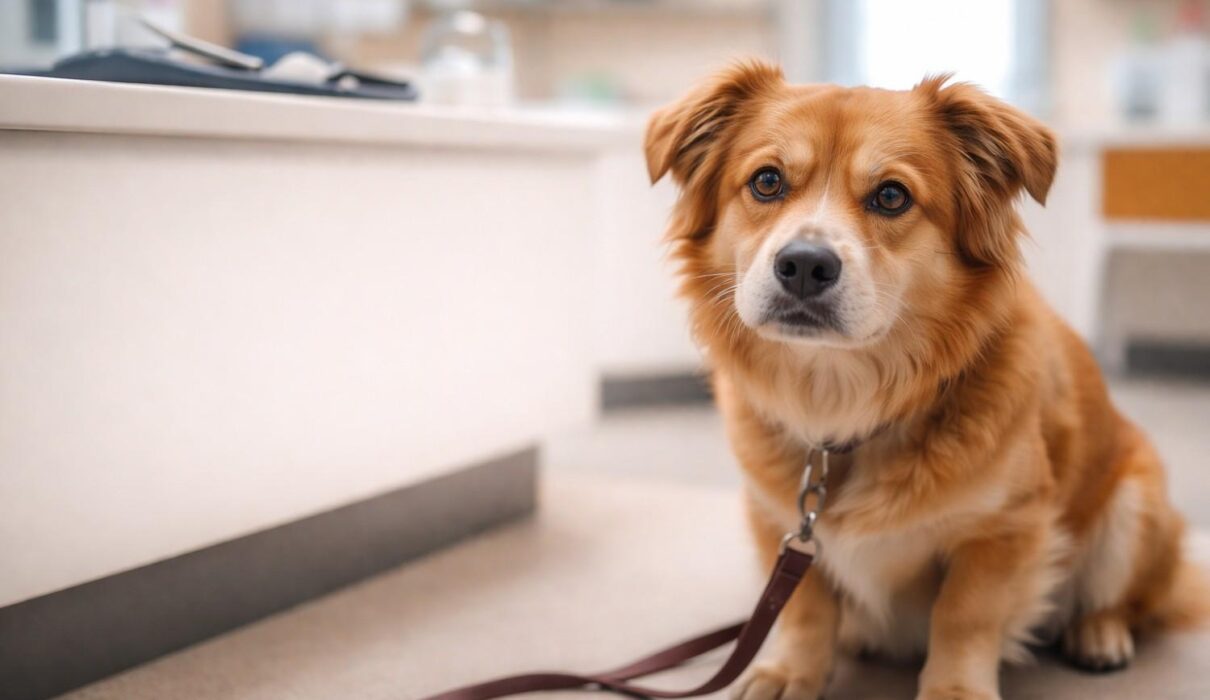
But when we came home… my dog wasn’t the same.
He didn’t greet me at the door like usual.
He avoided eye contact.
He paced around the house like something felt off.
That night, he couldn’t settle.
And honestly… that’s the moment I realized something important:
For us, it was just a vet visit.
For our dog, it was a confusing, stressful experience they didn’t understand.
This experience became part of my journey with Pet Calm Care –
learning that anxiety isn’t always loud. Sometimes, it shows up quietly…
after the moment has already passed.
Why Dogs Act Strange After a Vet Visit
Most people think anxiety only happens during the vet visit.
But in reality, many dogs process stress after they come back home.
Here’s what’s really happening under the surface.
1. The Delayed Stress Response
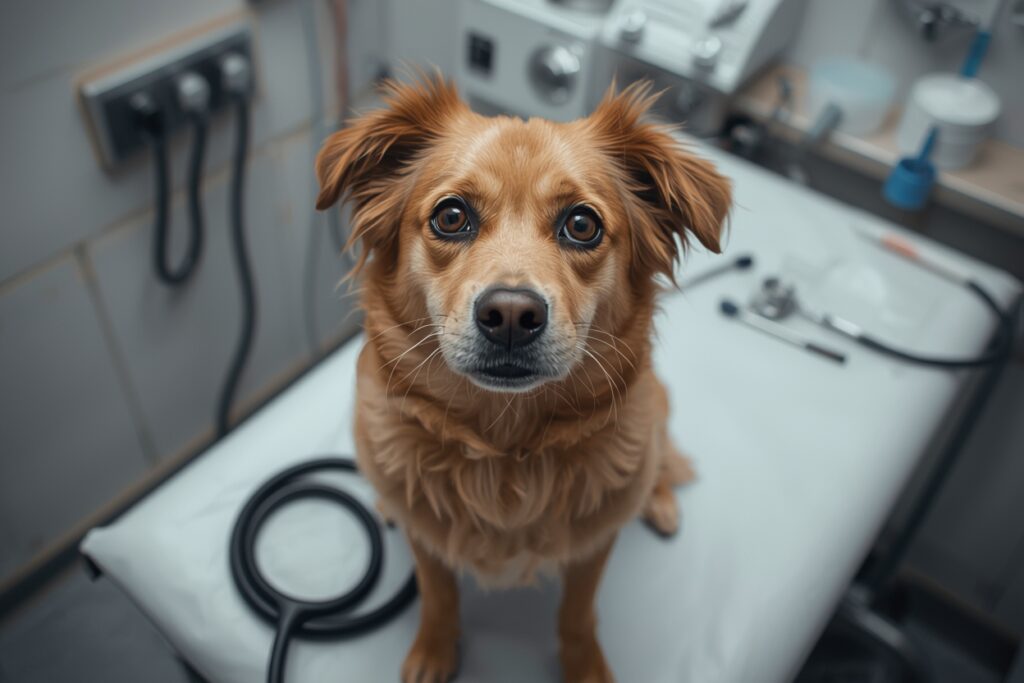
During the vet visit, your dog is:
- Held still
- Touched by strangers
- Surrounded by unfamiliar smells
- Possibly experiencing discomfort or fear
In that moment, their body goes into survival mode.
They don’t fully react.
But once they come home and feel safe…
the stress finally releases.
That’s when you see:
- pacing
- shaking
- clinginess
- withdrawal
It’s not sudden anxiety.
It’s delayed processing.
2. Loss of Control
At the vet, your dog doesn’t understand:
- why they’re being held
- why something hurts
- why you didn’t protect them
From their perspective, it can feel like:
something bad happened… and they couldn’t escape it.
This can temporarily reduce their sense of safety.
3. Smell Overload (This One Is Huge)
Dogs experience the world through smell.
After a vet visit, your dog smells like:
- disinfectants
- other animals
- stress hormones
Even you may smell different to them.
This can make your own home feel… unfamiliar.
I’ve seen this personally – my dog kept sniffing corners like he was in a new place.
4. Association Memory
Dogs build emotional associations quickly.
If a vet visit felt scary, your dog may start associating:
- car rides
- leash
- certain times of day
with that experience.
This is how small anxiety patterns begin.
Signs Your Dog Is Struggling After a Vet Visit
Some signs are obvious. Others are subtle.
Here’s what I’ve personally noticed (and what many owners miss):
- Restlessness even in a calm environment
- Following you more than usual
- Avoiding touch or interaction
- Not eating normally
- Sleeping but waking frequently
- Reacting to small sounds
- Sitting quietly but looking on edge
Sometimes the dog looks calm… but internally, they’re not settled.
What Helped My Dog Calm Down (Step-by-Step)
This is the part most blogs skip.
Not generic advice – what actually worked in real life.
Step 1: I Stopped Forcing Normal Behavior
My first instinct was:
Everything is fine. Act normal.
Big mistake.
Your dog doesn’t feel normal yet.
So instead of forcing:
- play
- commands
- interaction
I allowed space.
Not distance… just no pressure.
Step 2: I Recreated Familiar Safety
I brought back small things:
- same blanket
- same resting spot
- same quiet corner
No changes. No experiments.
Dogs don’t need stimulation after stress.
They need predictability.
Step 3: I Kept My Energy Calm (Not Over-Comforting)
This was a big learning moment.
If you act:
- overly concerned
- constantly checking
- anxious yourself
Your dog feels:
“Something is still wrong.”
So I did something simple:
I stayed present… but calm.
No over-talking. No over-soothing.
Just steady, normal energy.
Step 4: I Gave Him a Safe Zone
This changed everything.
Instead of letting him roam and stay alert everywhere, I:
- created one quiet resting area
- reduced noise
- dimmed lighting in the evening
Dogs relax faster when they know:
This is my safe place.
Step 5: I Didn’t Leave Him Alone Too Soon
After a stressful event, leaving your dog alone immediately can increase anxiety.
So for a short period:
- I stayed nearby
- I avoided long absences
- I slowly returned to normal routine
This helps rebuild trust in the environment.
Step 6: I Let Time Do Its Job
This is the hardest part.
Not everything needs to be fixed instantly.
Most dogs:
- start improving within a day or two
- settle within a week
What matters is not rushing the process.
Mistakes I Almost Made (And You Should Avoid)
These are important.
Because they can accidentally make things worse.
❌ Forcing exercise to tire them out
After stress, dogs don’t need exhaustion.
They need calm.
❌ Ignoring the behavior completely
Anxiety isn’t attention-seeking.
It’s emotional processing.
❌ Over-comforting constantly
Too much reassurance can keep the dog in a “something is wrong” state.
❌ Changing everything at once
New toys, new routines, new setups…
This adds more confusion.
When You Should Be Concerned
Most post-vet anxiety is temporary.
But pay attention if:
- your dog stops eating completely
- anxiety lasts many days without improvement
- behavior becomes extreme (panic, destruction, nonstop distress)
In those cases, it’s okay to look deeper.
Reader Questions (After Vet Visit Anxiety)
1. Why is my dog acting weird after a vet visit?
This is actually very common.
After a vet visit, many dogs go through delayed stress response.
During the visit, they suppress their reaction because they feel overwhelmed.
Once they return home and feel safe, the stress finally shows up.
That’s why your dog may:
- act distant
- avoid you
- pace or seem restless
This behavior is not random. It’s your dog trying to process what just happened.
2. How long does dog anxiety last after a vet visit?
In most cases, mild anxiety lasts:
- 24 to 72 hours
Some sensitive or reactive dogs may take:
- up to a week
If your dog is gradually improving, it’s a good sign.
But if anxiety:
- stays intense
- or gets worse
then it’s worth paying closer attention.
3. Is it normal for my dog to be scared of me after the vet?
Yes, and it can feel surprising.
From your dog’s perspective, you were part of the experience where:
- they were held
- something uncomfortable happened
- they couldn’t escape
So temporarily, they may feel confused and unsure.
The good news is:
This is usually short-term and trust comes back naturally if you stay calm and consistent.
4. Why is my dog more clingy after a vet visit?
Clinginess is actually a sign of seeking safety.
After stress, dogs often:
- stay closer to their owner
- follow them around
- avoid being alone
This doesn’t mean you’ve created dependency.
It simply means:
you are their safe place while they recover emotionally.
5. Can a vet visit cause separation anxiety in dogs?
Yes — especially in sensitive dogs.
A stressful vet experience can make a dog feel:
- unsafe in their environment
- unsure about being left alone
This can temporarily trigger:
- whining when you leave
- restlessness
- increased attachment
But in most cases, this is temporary anxiety, not permanent separation anxiety.
6. How can I calm my dog after a stressful vet visit?
The most effective way is not doing more – but doing less, calmly.
Focus on:
- keeping the environment quiet
- maintaining routine
- giving your dog space without isolation
- avoiding overstimulation
One powerful method many owners overlook is:
creating a calm safe zone where your dog can relax without pressure.
7. How can I make future vet visits less stressful for my dog?
This is where long-term improvement happens.
One of the most effective strategies is:
“happy vet visits”
This means:
- visiting the clinic without any procedure
- letting your dog explore calmly
- giving treats and positive experiences
Over time, your dog stops associating the vet with fear.
Instead, it becomes:
just another neutral (or even positive) place.
What I Realized Through This Experience
That day changed how I see anxiety in dogs.
It’s not always about big triggers like loud noises or separation.
Sometimes it’s:
- one stressful experience
- one moment of confusion
- one loss of control
And the effect shows up later.
Quietly.
If your dog feels different after a vet visit…
you’re not imagining it.
And more importantly:
your dog isn’t misbehaving.
They’re trying to feel safe again.
That’s something I’ve come to understand deeply through my journey with Pet Calm Care.
Not every anxious moment needs correction.
Sometimes, it just needs understanding, patience and the right kind of calm presence.
Sometimes the anxiety doesn’t begin after the visit — it starts before the vet visit.
If that sounds familiar, I shared what personally helped us in
how I trained my dog for stress-free vet visits
including the exact routine I used to reduce fear before appointments.
