

 By
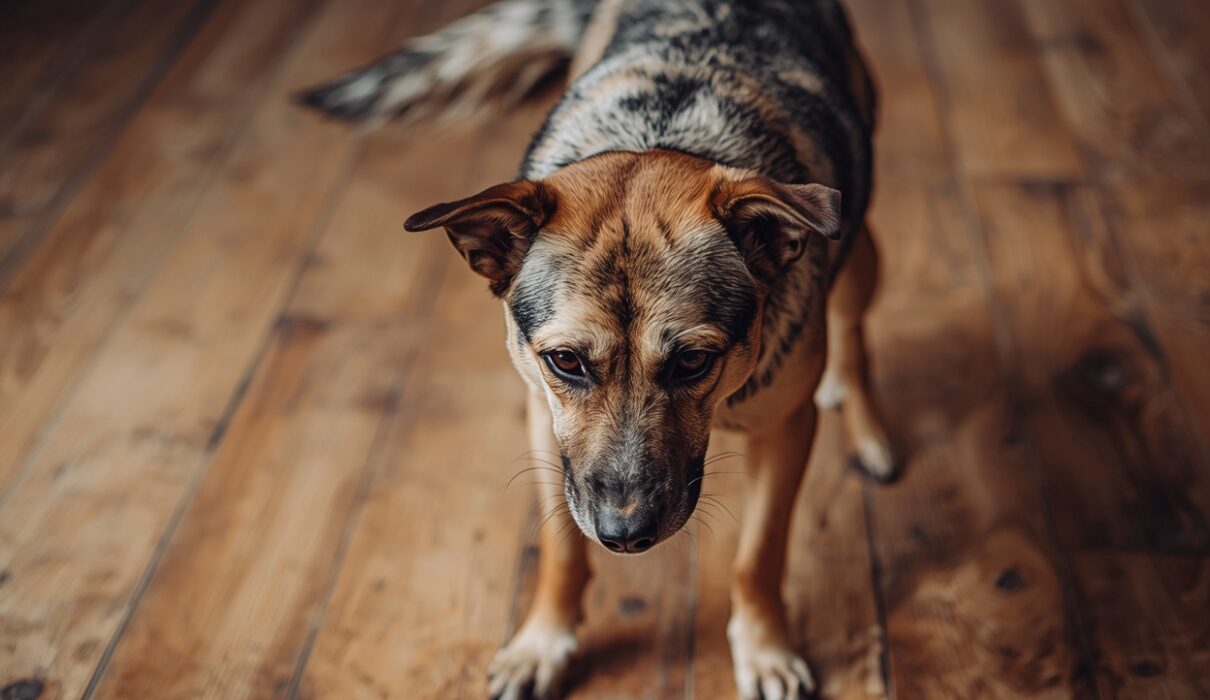
By I used to think my dog just needed more exposure.
Take him to more places.
Meet more people.
Push him a little outside his comfort zone.
That’s what everyone says, right?
But the more I tried that… the worse it got.
He didn’t become confident.
He became overwhelmed.
And that’s when I realized something most people don’t talk about:
👉 Confidence is not built by pushing a dog forward.
It’s built by making them feel safe enough to move forward on their own.
This changed everything for me.
This experience is part of my journey with Pet Calm Care —
and honestly, this is where I stopped trying to fix behavior
and started understanding emotions.
What Confidence Actually Means for a Dog
Before anything else, we need to clear this up.
Confidence is NOT:
- Being hyper
- Being social with everyone
- Obeying commands perfectly
Confidence is:
👉 A dog’s ability to stay emotionally stable in uncertain situations
That means:
- They don’t panic instantly
- They recover faster
- They look to you for guidance
An anxious dog isn’t stubborn or untrained
They just don’t feel safe enough to trust the situation.
The Biggest Mistake I Made (And Most Owners Do)
I tried to expose my dog to everything too quickly.
Dog park
Busy streets
New environments
I thought: He’ll get used to it
But what actually happened?
👉 Every bad experience stacked up
👉 His fear got deeper
👉 His confidence dropped further
Exposure without safety = fear reinforcement
That was a hard lesson.
The Real Way to Build Confidence (Step-by-Step)
This is what actually worked.
Not tricks. Not hacks.
Just consistent, small changes that slowly rewired his mindset.
1. Start Where Your Dog Feels Safe (Not Where You Want Them to Be)
This was the biggest shift.
Instead of asking:
How do I take him outside more?
I asked:
👉 Where does he already feel okay?
For us, it was:
- One quiet corner of the house
- One short walking route
- One calm room
And we stayed there.
No pressure to improve fast.
Because:
👉 Confidence grows in safe zones first
2. Create Predictable Patterns (This Builds Emotional Security)
Dogs don’t understand time like we do.
They understand patterns.
So I created small predictable sequences:
- Wake up → calm interaction → food
- Walk → same route → same pace
- Evening → quiet time → rest
Even tiny consistency matters.
👉 Predictability = safety
👉 Safety = confidence foundation
You’d be surprised how much this alone changes behavior.
3. Let Your Dog Win Small Moments
Before, I only noticed big progress.
Now I started noticing small wins:
- He looked at a new object… but didn’t panic
- He paused… instead of reacting instantly
- He chose to stay instead of pulling away
And I reinforced those moments calmly.
Not excitement. Not over-praise.
Just quiet acknowledgment.
👉 Confidence grows from repeated small successes
4. Stop Forcing Interaction (This Changed Everything)
I used to encourage:
“Go say hi”
“It’s okay”
“Come on”
But for an anxious dog, that pressure feels like danger.
So I stopped.
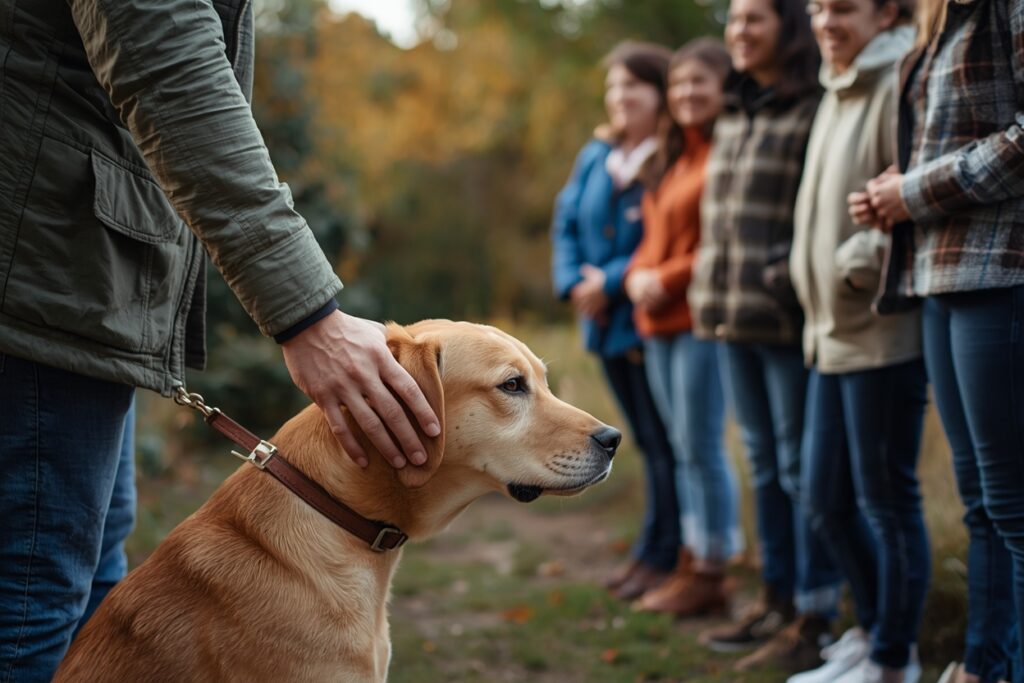
If he wanted to observe from a distance… we stayed there.
If he wanted to move away… I allowed it.
And something interesting happened:
👉 He started choosing to explore on his own
That’s real confidence.
5. Build a Safe Anchor (You)
This is something most people miss.
Your dog doesn’t just need a safe place.
They need a safe person.
I worked on:
- Staying calm in stressful moments
- Not reacting to his anxiety
- Being predictable in my behavior
Over time:
👉 Instead of reacting to the environment…
👉 He started looking at me first
That’s trust. That’s confidence.
6. Use Controlled Exposure (Not Random Exposure)
Once he was stable in safe zones…
Then we expanded.
But very slowly:
- Slightly new route
- Slightly more noise
- Slightly longer exposure
And always with an exit plan.
👉 If it gets too much → we leave
👉 No forcing through stress
This is how you build confidence without breaking it.
7. Accept Slow Progress (This Is the Hardest Part)
This part tested my patience the most.
Because progress looked like this:
- Good day
- Bad day
- Good day
- Confusing day
But over time, I noticed:
👉 Recovery time was getting shorter
👉 Reactions were getting softer
👉 Trust was getting stronger
That’s real progress.
Signs Your Dog Is Actually Becoming More Confident
Look for these instead of perfect behavior:
- Faster recovery after stress
- Less intense reactions
- More curiosity than fear
- Checking in with you
- Choosing to stay instead of escape
Confidence is subtle… but powerful.
What You Should Avoid (Seriously Important)
From my experience, these slow everything down:
❌ Forcing socialization
❌ Flooding with new environments
❌ Over-correcting fear behavior
❌ Expecting fast results
❌ Comparing with other dogs
Every dog has a different emotional pace.
The Truth Most People Don’t Tell You
You don’t train confidence.
👉 You create conditions where confidence can grow.
And that takes:
- patience
- awareness
- emotional consistency
But once it starts building…
Everything changes.
Reader Questions
Why does my dog seem confident at home but anxious outside?
Because home is predictable and safe. Outside is unpredictable. Confidence hasn’t generalized yet – it needs to be built gradually in new environments.
Should I expose my anxious dog to more situations to build confidence?
Not directly. Exposure works only when it’s controlled and safe. Too much too fast can actually reduce confidence.
How long does it take to build confidence in a fearful dog?
It depends on the dog, but usually weeks to months. The key sign isn’t speed – it’s gradual emotional stability.
Is it okay if my dog avoids things instead of facing them?
Yes. Avoidance can be a coping strategy. Confidence grows when the dog chooses to engage, not when forced.
Can routine help build confidence in dogs?
How Sudden Routine Changes Trigger Dog Anxiety (And How I Fixed It Step by Step)Absolutely. In fact, routine is one of the strongest foundations of confidence. If your dog struggles with sudden
changes, you might also want to read about how routine disruptions affect anxiety.
Final Thought
If your dog is anxious…
They don’t need more pressure.
They don’t need tougher training.
👉 They need to feel safe first.
Confidence doesn’t come from pushing forward.
It comes from feeling secure enough to try.
And once that clicks…
You’ll see a completely different dog.
Even a single stressful experience can shake a dog’s confidence.
I’ve seen this happen after vet visits more often than people realize.
👉 How to Help Your Dog Recover From Anxiety After a Vet Visit
