

 By
By (What it really means and what I do when it happens)
The first time I saw my one of my dogs shaking
during a loud noise, I honestly panicked.
There was no cold.
No injury.
No obvious reason.
Just sudden shaking.
At first, I thought it might stop on its own.
But it didn’t.
That’s when I realized something important.
This wasn’t random behavior. This was fear and anxiety.
When I started noticing the pattern
The shaking didn’t happen all the time.
It showed up during specific moments:
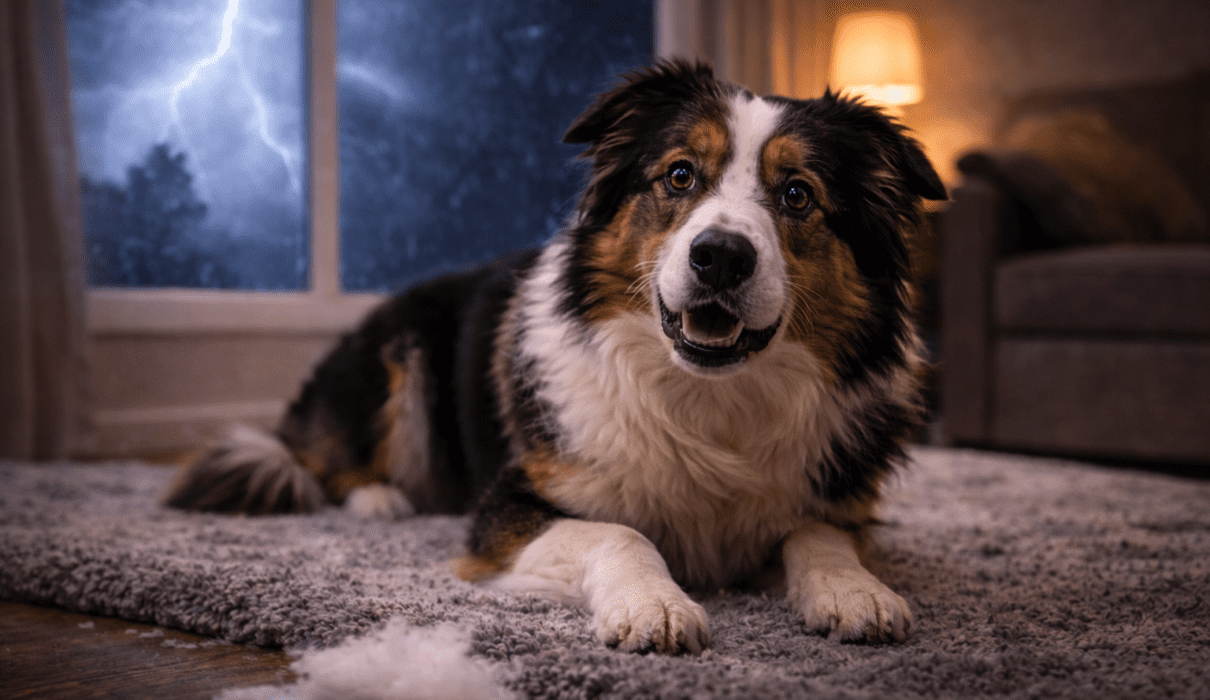
• Loud thunderstorms (“what I noticed during storms”)
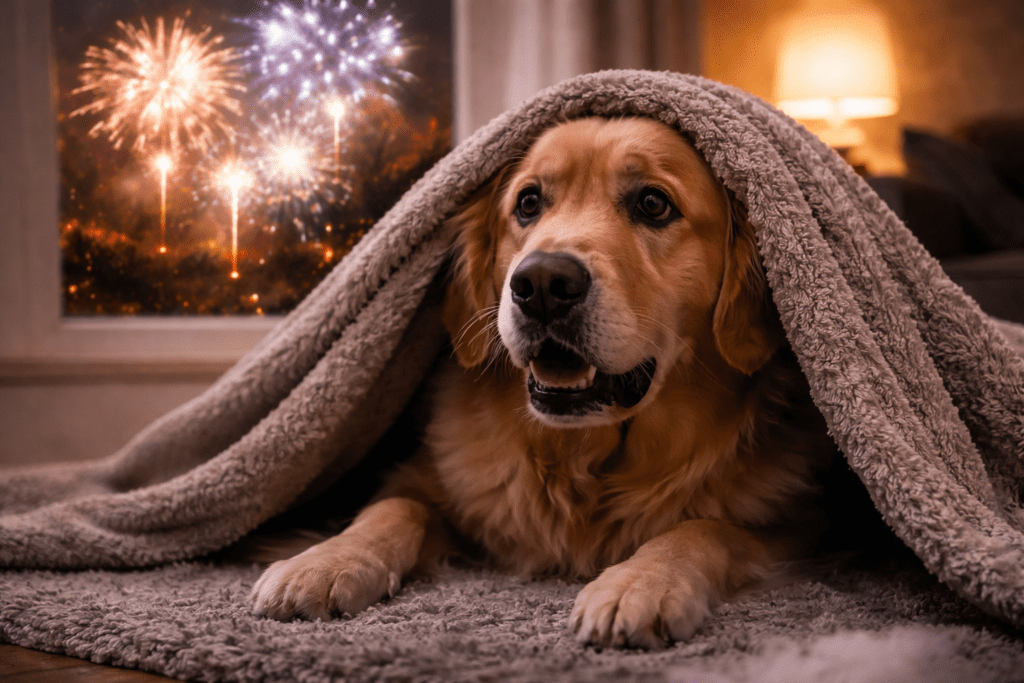
• Fireworks (“what I noticed during Fireworks”)
• Sudden construction noise
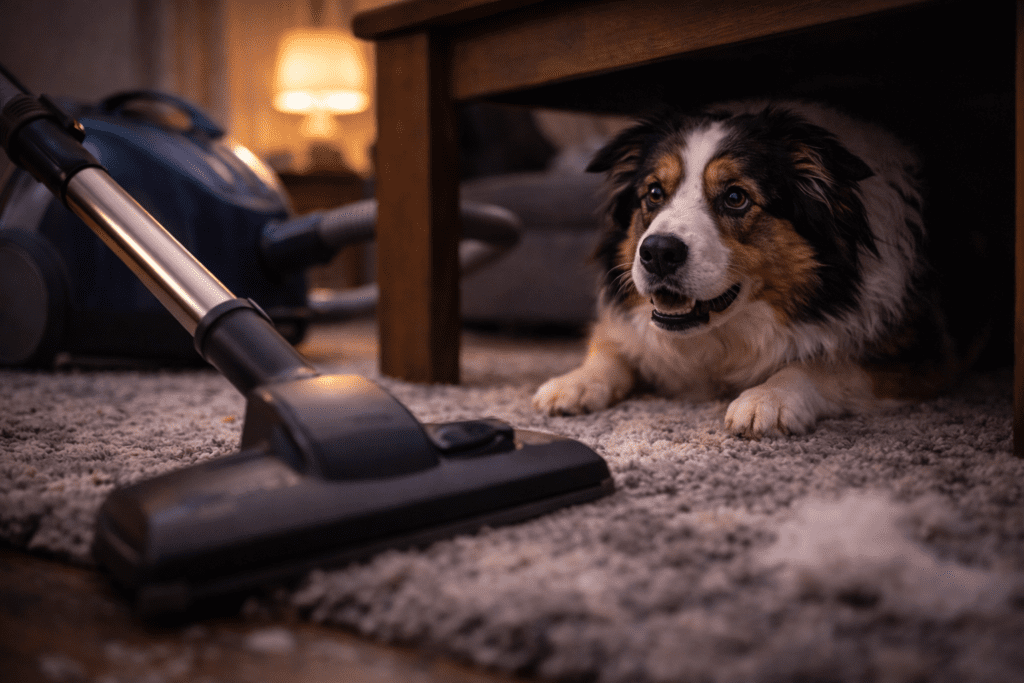
• Vacuum cleaner(“Household noises”)
• Unexpected bangs or crashes
Once I noticed this pattern, everything started to make sense.
Why loud noises affect dogs so deeply
Dogs hear the world very differently than we do.
What feels “normal” to us can feel overwhelming to them.
Here’s why loud noises hit dogs harder:
• Their hearing is much more sensitive
• They don’t understand where the sound is coming from
• Sudden noise feels like a threat
• They can’t predict when it will stop
For many dogs, loud noise = danger.
And shaking is their body’s natural fear response.
What dog shaking usually looks like
Not all shaking looks dramatic.
Sometimes it’s subtle, sometimes obvious.
Common signs I’ve seen include:
• Body trembling or shivering
• Tail tucked in
• Wide or alert eyes
• Heavy panting
• Trying to hide or stay close
If this happens mostly during loud sounds, anxiety is very likely involved.
Is shaking always anxiety?
This is important.
Shaking can have other causes, but context matters.
If shaking happens:
• Only during loud noises
• Stops once things are quiet
• Comes with fearful body language
Then anxiety is the most common reason.
If shaking happens randomly or all the time, that’s different and needs attention.
What I do when my dog starts shaking
I learned this the hard way.
Overreacting actually makes things worse.
Now, I keep it simple.
Here’s what helps the most:
• I stay calm and relaxed
• I don’t force interaction
• I let my dog choose a safe spot
• I reduce noise when possible
• I speak softly and normally
Dogs copy our emotional state.
If I panic, my dog panics more.
What I avoid doing (very important)
These things made anxiety worse when I tried them:
• Yelling or saying “stop”
• Dragging my dog out of hiding
• Forcing exposure to the noise
• Acting overly dramatic
Fear needs reassurance, not pressure.
Can loud noise anxiety get worse over time?
Yes, it can.
If anxiety is ignored, dogs may:
• React faster next time
• Start shaking earlier
• Fear smaller sounds
• Become anxious even before noise starts
That’s why early support matters.
When noise anxiety becomes a serious concern
If you notice:
• Extreme shaking
• Destructive behavior
• Panic that lasts long after the noise stops
• Anxiety spreading to other situations
That’s a sign to seek professional guidance.
There’s no shame in getting help early.
Final thoughts
Seeing your dog shake during loud noises is hard.
It doesn’t mean your dog is weak.
It doesn’t mean you did something wrong.
It means your dog feels unsafe in that moment.
With patience, consistency and calm energy, most dogs improve over time.
Sometimes, the best thing we can do is simply stay steady and let our dogs feel safe beside us.