

 By
By (What I started noticing once the weather changed)
When winter arrives, most people think dogs just slow down a little.
Sleep more.
Move less.
Act a bit lazy.
That’s exactly what I thought too.
But after a few winters, I realized something important.
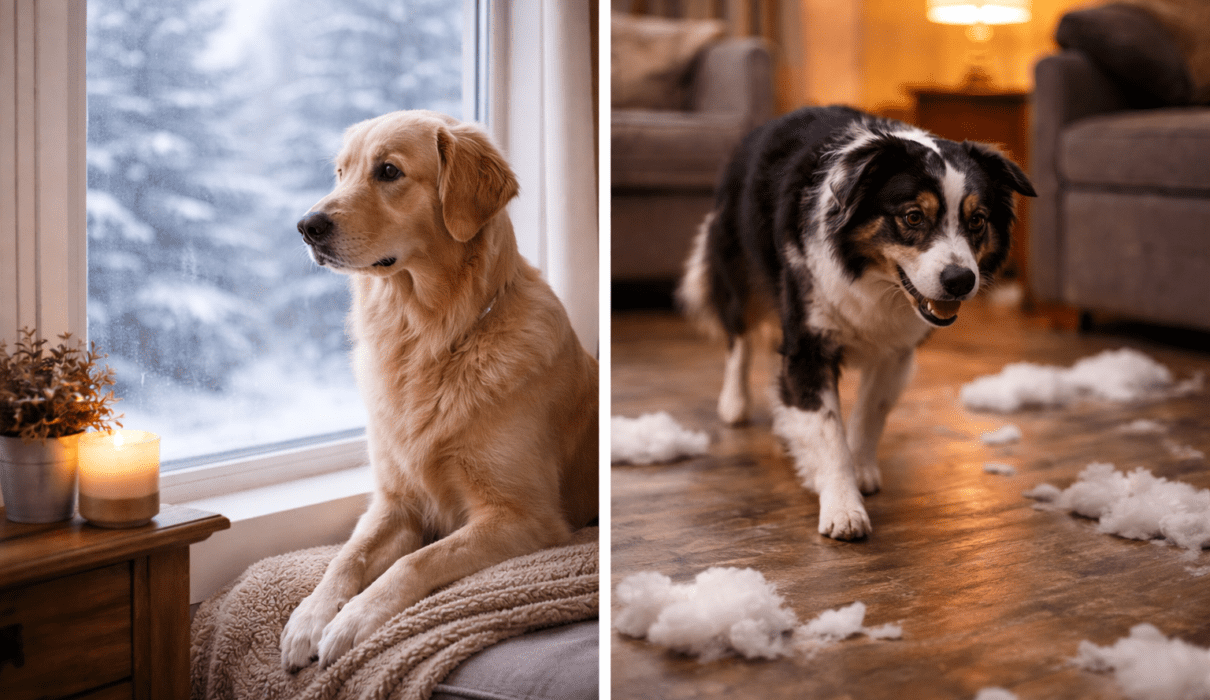
My dog wasn’t just slowing down. He was becoming anxious.
And it took me time to understand why.
The changes start small (and easy to miss)
At first, nothing feels serious.
You might notice things like:
• More pacing around the house
• Less excitement for walks
• Restlessness at night
• Wanting more attention than usual
Because winter already feels different, we often ignore these signs.
I did the same.
Winter quietly changes a dog’s entire routine
Dogs depend heavily on routine.
When winter comes, routine changes without us noticing.
Here’s what usually happens:
• Walks become shorter
• Outdoor play reduces
• Daylight disappears early
• Schedules shift
For dogs, these changes don’t feel seasonal.
They feel unpredictable.
And unpredictability creates anxiety.
Less exercise leads to built-up nervous energy
This was the biggest trigger for my dog.
Cold weather means:
• Fewer walks
• Less running
• Less exploration
When dogs don’t release energy physically, that energy doesn’t vanish.
It turns into:
• Restlessness
• Pacing
• Panting
• Frustration
Winter doesn’t cause anxiety directly.
Lack of movement does.
Being indoors all day affects the mind
Dogs need mental stimulation as much as physical activity.
Winter limits both.
Think about it:
• Same rooms
• Same smells
• Same sounds
• Same routine every day
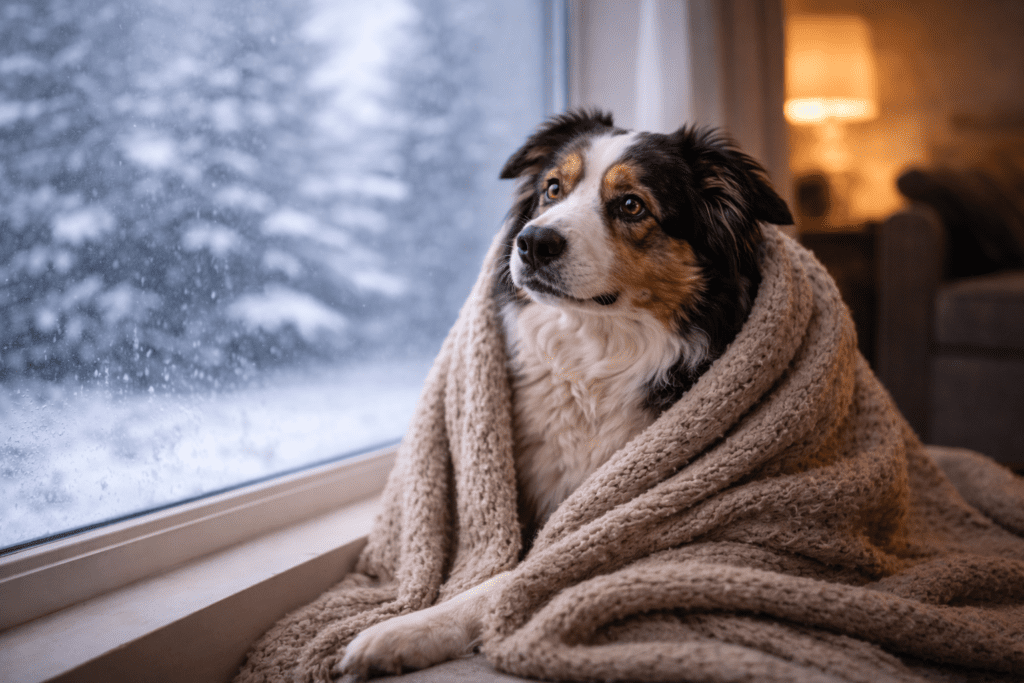
Over time, boredom builds up.
And boredom slowly turns into anxiety.
I noticed my dog would wander around with no purpose.
That was a clear sign something wasn’t right.
Winter noises create constant alertness
This surprised me the most.
Winter brings many new sounds:
• Heaters switching on and off
• Strong winds
• Storms
• Snow plows
• Indoor appliances running more often
Dogs hear much more than we do.
These sounds keep them in a constant state of alertness, especially at night.
For anxious dogs, silence followed by sudden noise is very stressful.
Shorter days affect dogs more than we think
When daylight disappears early, dogs sense it.
Less sunlight can mean:
• Less activity
• More sleeping during the day
• More energy at night
This imbalance can cause restlessness after sunset.
That’s why many dogs seem more anxious in the evenings during winter.
Senior dogs feel winter anxiety more deeply
Older dogs struggle even more.
Cold weather can cause:
• Joint stiffness
• Slower movement
• Physical discomfort
When movement becomes uncomfortable, confidence drops.
And low confidence often shows up as anxiety.
Senior dogs need extra reassurance during winter months.
How I realized it wasn’t “just winter behavior”
One thing helped me understand the difference.
The anxiety signs:
• Appeared mainly in winter
• Reduced slightly during warmer weeks
• Improved with routine and stimulation
That’s when I stopped calling it laziness and started addressing it properly.
“This behavior is part of a bigger winter anxiety pattern, which I explain in My Main Winter Blog Post.”
What helps reduce winter anxiety (from my experience)
I keep things simple.
Here’s what made the biggest difference:
• Keeping walk times consistent, even if short
• Adding indoor games and puzzles
• Creating a calm Evening routine
• Avoiding sudden schedule changes
• Staying calm myself
Dogs reflect our emotions more than we realize.
Reader Questions I Had During This Phase
Is it normal for dogs to become anxious every winter and then seem better in warmer months?
Yes. Seasonal anxiety is real. When routines, daylight and activity levels change together, some dogs react emotionally rather than physically. The pattern repeating each winter is often the biggest clue.
My dog doesn’t seem scared, just restless. Can that still be anxiety?
Absolutely. Anxiety doesn’t always look like fear or shaking. For many dogs, it shows up as pacing, inability to settle or constant movement without purpose.
If winter causes less exercise, can indoor activity really make a difference?
Yes, when it’s consistent. Indoor stimulation doesn’t need to be intense. Even small daily mental engagement helps release nervous energy that builds up during winter.
Why does my dog seem more anxious in the evenings during winter?
Shorter daylight hours often disrupt a dog’s natural rhythm. Less activity during the day can leave excess energy and alertness at night, which feels like anxiety.
Do senior dogs experience winter anxiety differently than younger dogs?
They often do. Physical discomfort, slower movement and reduced confidence can make winter changes feel more overwhelming for older dogs.
Should I wait for winter to end or address the anxiety now?
It’s better to support your dog as soon as you notice the pattern. Early adjustments in routine and environment can prevent anxiety from deepening each winter.
What this winter taught me about dog anxiety
Winter anxiety in dogs is quiet.
It doesn’t always look dramatic.
It doesn’t always involve fear or shaking.
Sometimes it just looks like restlessness.
If your dog seems off during winter, trust that instinct.
Understanding the reason is the first step.
Helping them feel secure is the next.
A calm winter is possible, with a little awareness and patience.
This understanding became part of my journey with Pet Calm Care —
learning that calm isn’t about fixing behavior, but about helping dogs feel secure during unavoidable changes.
