

 By
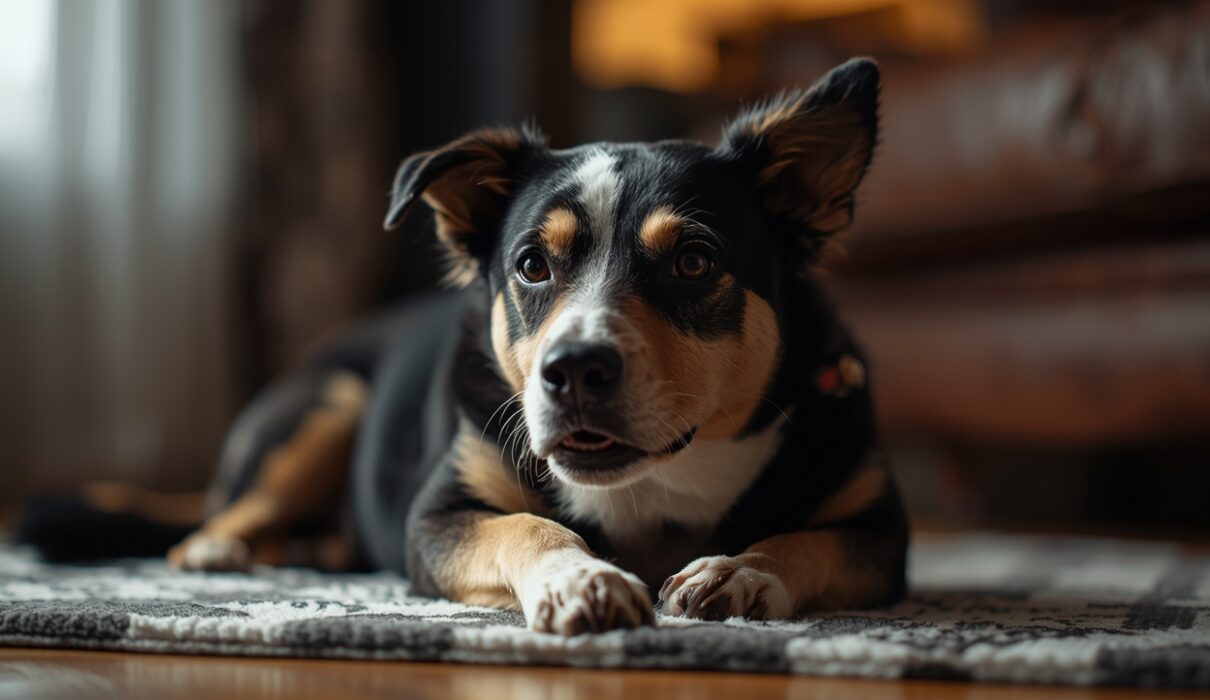
By The first time I saw my dog trembling for no obvious reason,
I immediately checked the room temperature.
It wasn’t cold.
The windows were closed.
The house was warm.
Everything looked normal.
But my dog was shaking.
Not violently. Not dramatically.
Just a steady, quiet trembling that didn’t seem to stop.
At first, I assumed it would pass. Dogs shake sometimes, right?
But when it happened again a few days later, I realized something important.
When a dog trembles without being cold, there is usually a reason.
Sometimes it’s simple. Sometimes it isn’t.
And understanding that difference can make a huge difference in how we respond.
Trembling Is a Signal, Not a Behavior
One of the biggest things I’ve learned over the years is that trembling is rarely random.
Dogs don’t shake just to shake.
Their bodies usually respond to something happening internally or around them.
Trembling can be connected to:
- Emotional stress
- Fear or anxiety
- Physical discomfort
- Pain
- Hormonal changes
- Medical conditions
The challenge is that the shaking itself often looks the same, even when the cause is completely different.
That’s why context matters more than the movement itself.
When Trembling Is Caused by Anxiety
In many dogs, trembling is simply the body reacting to stress.
When a dog feels uncertain or overwhelmed, their nervous system activates what’s known as the fight-or-flight response.
The body prepares for danger.
Heart rate increases.
Breathing changes.
Muscles tighten.
And sometimes, those tense muscles begin to shake.
I started noticing that my dog’s trembling often appeared during moments that were emotionally intense for him.
For example:
- Loud thunderstorms
- Fireworks
- Sudden household noises
- Busy environments
- Unexpected visitors
In those moments, the trembling wasn’t about physical pain.
It was about feeling unsafe.
Sometimes the shaking would stop once the environment became calm again.
Other times, it took longer for his body to settle.
That delay is normal.
The nervous system doesn’t always switch off immediately after stress.
Subtle Anxiety Triggers Many People Miss
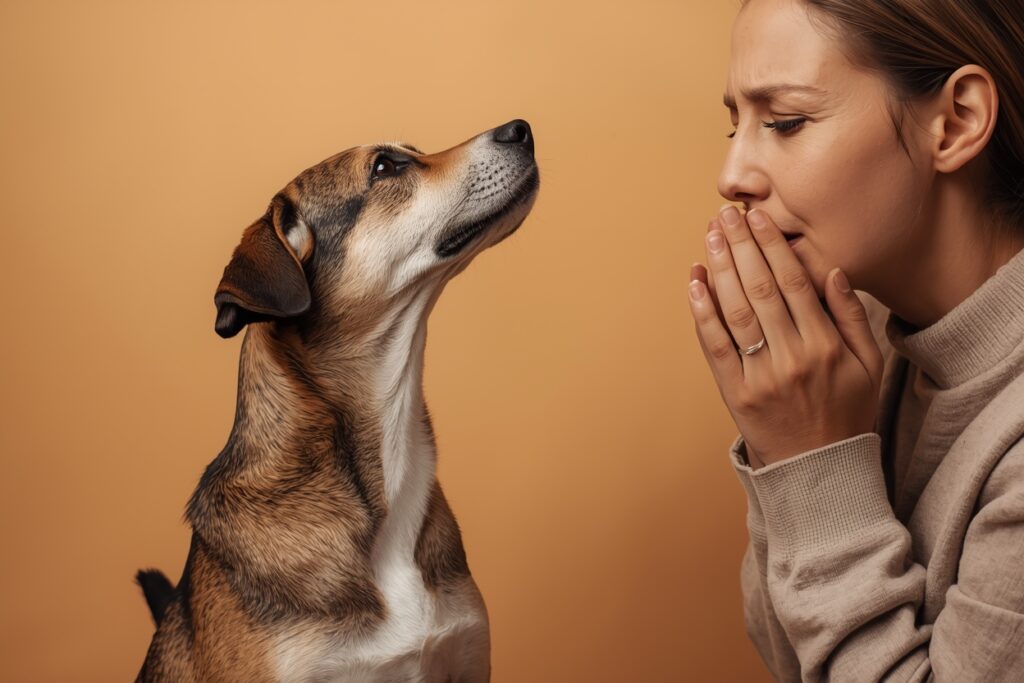
One surprising thing I learned is that dogs can tremble from anxiety even when nothing obvious is happening.
Some triggers are very subtle.
For example:
- A change in daily routine
- A stressful day earlier
- Small outside noises at night
- Tension in the household
- Anticipation of something unfamiliar
Dogs are incredibly sensitive to patterns.
When something in their world feels unpredictable, their bodies sometimes express that tension through trembling.
I’ve seen dogs shake simply because their environment felt uncertain.
Not dangerous.
Just uncertain.
Trembling Caused by Physical Discomfort
Anxiety isn’t the only explanation.
Sometimes trembling is the body’s way of coping with discomfort.
Dogs cannot tell us when something hurts.
Instead, they show small signals.
Trembling can appear when a dog experiences:
- Joint pain
- Muscle strain
- Abdominal discomfort
- Injury
- Digestive upset
In these situations, the shaking usually comes with other physical clues.
You might notice things like:
- Difficulty lying down
- Hesitation when moving
- Restlessness
- Protecting a specific area of the body
- Reduced appetite
When trembling is paired with physical discomfort, the body language usually looks different from anxiety.
The dog may appear tense or guarded rather than simply fearful.
When Trembling Could Be Medical
There are also situations where trembling may signal an underlying medical issue.
While these cases are less common, they are important to recognize.
Certain health conditions can cause shaking, including:
- Hormonal imbalances
- Neurological disorders
- Toxin exposure
- Metabolic conditions
- Certain infections
Some breeds are also more prone to neurological trembling disorders.
These medical causes usually involve trembling that is:
- Persistent
- Increasing in intensity
- Appearing without clear triggers
- Accompanied by other unusual symptoms
For example:
- Vomiting
- Weakness
- Coordination issues
- Extreme lethargy
If trembling appears suddenly and doesn’t improve, it’s always best to involve a veterinarian.
Not every case is serious, but medical causes should never be ignored.
A Pattern That Helped Me Understand My Dog
One of the most useful things I started doing was simply observing patterns.
Instead of reacting immediately, I began asking myself a few questions.
When did the trembling start?
What happened earlier that day?
Was there noise, excitement, or stress beforehand?
Over time, patterns became clear.
Most of my dog’s trembling episodes happened after stressful situations.
Loud weather.
Unexpected sounds.
Busy environments.
Once the stress passed, the trembling faded.
That pattern told me the issue was emotional, not medical.
Observation can often reveal more than panic ever will.
When Trembling Happens During Rest
Another situation that worries many dog owners is when trembling happens while a dog is resting or lying down.
This can feel especially concerning.
But even here, context matters.
Dogs sometimes tremble while resting because their bodies are releasing tension built up during the day.
After stimulation, the nervous system slowly returns to balance.
That transition can involve shaking.
However, if trembling happens during rest and appears intense, painful or constant, it’s important to investigate further.
What I Avoided Doing
When my dog first started trembling, I made a mistake many owners make.
I tried to immediately stop the behavior.
I would say his name.
Move him.
Try to distract him.
But I eventually realized that trembling isn’t something a dog controls consciously.
It’s a physical response.
Trying to correct it doesn’t address the cause.
Instead, I focused on understanding what his body was reacting to.
That shift made a huge difference.
What Actually Helped
Over time, a few simple changes helped reduce trembling episodes.
Nothing dramatic.
Just consistent support.
I focused on:
- Creating predictable routines
- Reducing sudden environmental stress
- Staying calm during anxious moments
- Allowing my dog space to settle when needed
Dogs often mirror our emotional state.
When I became calmer during those moments, my dog recovered faster.
The goal wasn’t to eliminate every reaction.
It was to help his nervous system feel safer overall.

When It’s Time to Seek Help
There are moments when trembling should not be ignored.
If your dog is trembling and also shows signs such as:
- Severe lethargy
- Vomiting
- Difficulty standing
- Loss of coordination
- Persistent pain signals
Then medical evaluation is necessary.
These situations go beyond normal anxiety responses.
Early attention always protects your dog’s health.
Reader Questions
1. Why is my dog shaking but not cold?
Dogs sometimes tremble even when the temperature is comfortable. This can happen due to anxiety, stress, pain, excitement or certain medical conditions. Observing when the shaking starts and what else your dog is experiencing can help identify the real cause.
2. My dog is shaking and acting weird all of a sudden. Should I be worried?
Sudden shaking with unusual behavior can sometimes indicate pain, illness or neurological issues. If your dog also shows symptoms like confusion, lethargy, vomiting or difficulty walking, it’s best to contact a veterinarian as soon as possible.
3. Why is my dog trembling but not cold and also acting lethargic?
When trembling is combined with low energy, it may signal that your dog isn’t feeling well. Possible causes include infection, digestive discomfort, injury or underlying medical problems. A veterinary check is recommended if this continues.
4. Why is my dog shaking and panting at the same time?
Shaking and panting together often happen during stress, fear or anxiety. Loud noises, unfamiliar environments or separation stress can trigger this response. In some cases, pain or overheating can also cause both symptoms.
5. Should I be worried if my dog is shaking?
Occasional trembling is not always dangerous. However, if the shaking becomes frequent, intense or appears with other symptoms such as vomiting, weakness or refusal to eat, it should be evaluated by a veterinarian.
6. Why is my dog shaking and acting scared?
Dogs sometimes shake when they feel threatened or overwhelmed. New sounds, unfamiliar environments, fireworks, thunderstorms or even subtle environmental changes can trigger fear responses that cause trembling.
7. What should I do when my dog is shaking?
The first step is to observe your dog carefully. Check for environmental triggers like noise or stress. If the shaking appears mild and temporary, helping your dog feel safe and calm may resolve it. If it continues or worsens, veterinary advice is recommended.
8. Why is my dog shivering and not eating but still drinking water?
Loss of appetite combined with trembling can sometimes indicate discomfort, illness or digestive upset. If your dog continues drinking but refuses food for more than a day while shaking, a vet visit is the safest option.
Final Thoughts
Seeing your dog tremble when they aren’t cold can be unsettling.
But trembling itself isn’t the problem.
It’s a message.
Sometimes that message is emotional.
Sometimes it’s physical.
And sometimes it simply reflects a nervous system trying to settle after stress.
Learning to observe your dog’s patterns, environment and body language can reveal more than the trembling alone.
With patience and awareness, most dogs gradually become calmer as their environment becomes more predictable.
This understanding has been an important part of my journey with Pet Calm Care,
where I continue learning what truly helps anxious dogs feel safer and more relaxed in everyday life.
