

 By
By (What I misunderstood about “being there”)
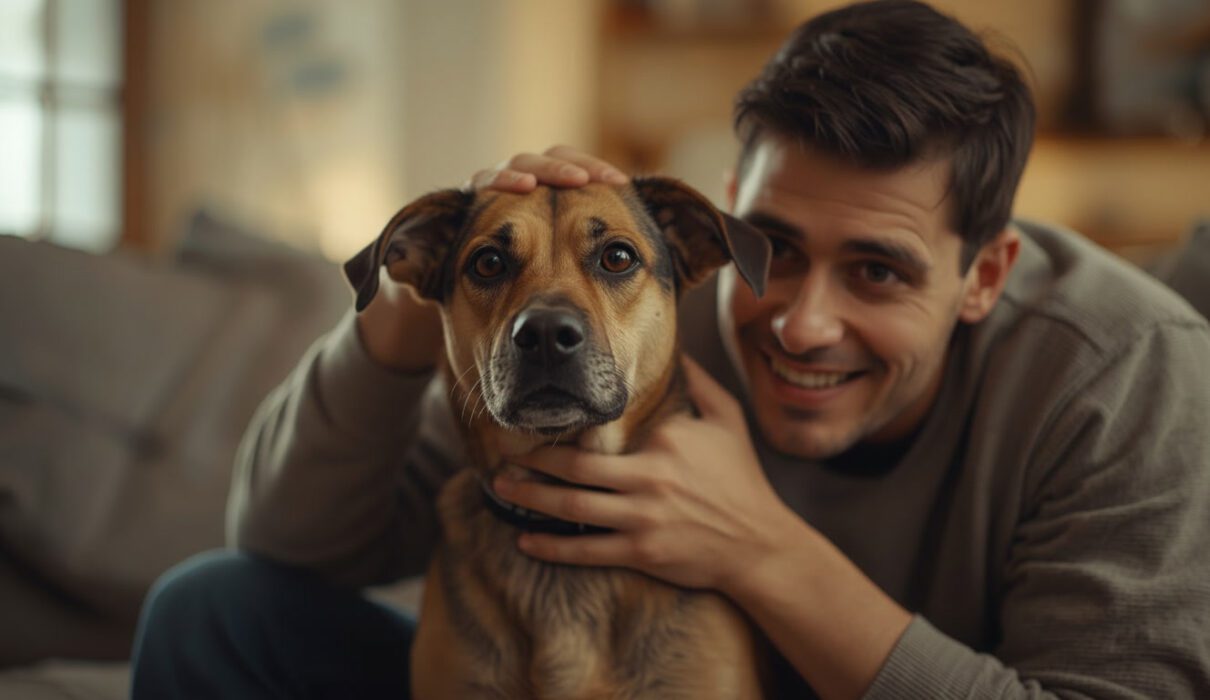
When my dog was anxious,
my instinct was always the same.
Go closer.
Touch him.
Speak softly.
Say, “It’s okay.”
It felt natural.
It felt loving.
And honestly, it felt wrong not to do it.
But over time, I started noticing something that confused me.
The more I comforted him during anxiety,
the less capable he became of settling on his own.
Why comforting feels like the right thing to do
As humans, comfort is how we solve distress.
When someone we love is scared,
we hug them.
We reassure them.
We stay close.
So when my dog was shaking, pacing or clinging,
comfort felt like responsibility.
Not comforting felt cold.
I thought:
“If I don’t comfort him, I’m abandoning him emotionally.”
That belief kept me stuck for a long time.
What comforting actually looked like in real life
It wasn’t extreme.
It was subtle.
• Sitting beside him every time he paced
• Reassuring words in a worried tone
• Letting him cling tightly during anxious moments
• Trying to calm him while he was already overwhelmed
Nothing about it looked harmful.
But the pattern was.
The change I didn’t expect
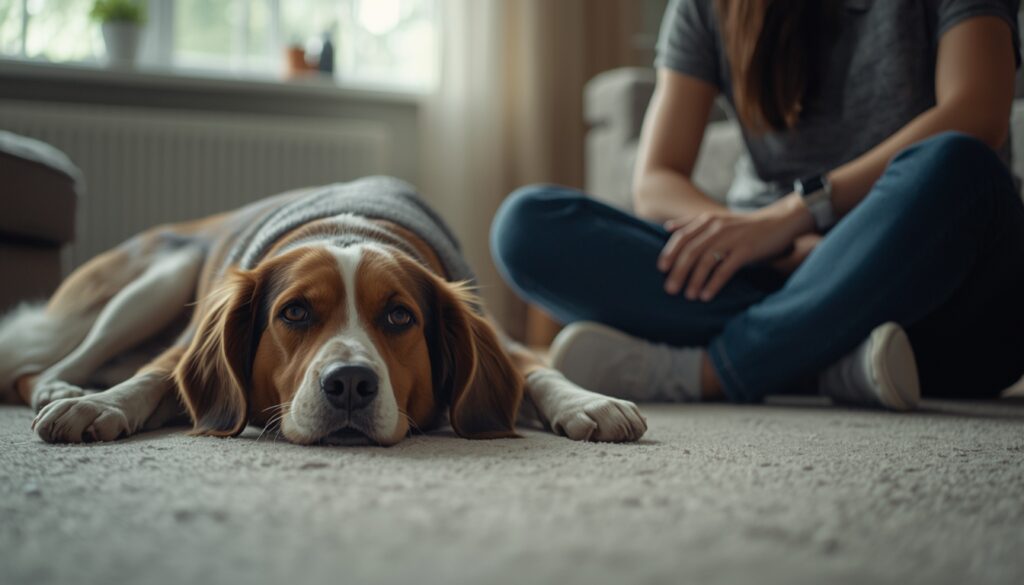
Instead of anxiety reducing over time,
it started showing up faster.
He began:
• Seeking comfort earlier
• Becoming anxious before triggers fully appeared
• Struggling more during transitions
• Relying on my presence to regulate himself
Comfort hadn’t created calm.
It had created dependence during stress.
The mistake I finally understood
This was the hard realization.
I wasn’t comforting calm.
I was comforting anxiety in its peak.
And that matters.
Not because fear is being “rewarded,”
but because the nervous system learns where regulation comes from.
My dog wasn’t learning to settle.
He was learning:
“I can only feel safe when my human actively manages this for me.”
I later realized this wasn’t the only mistake I was making –
ignoring anxiety entirely can create similar problems, which
I explain in Why Ignoring an Anxious Dog Makes Things Worse.
Why comforting can increase anxiety intensity
During anxious moments, dogs are already overstimulated.
Their system is:
• Alert
• Flooded
• Hyper-aware
When I added:
• Emotional voice
• Constant touch
• Focused attention
I unknowingly added more stimulation.
What I thought was soothing
was sometimes keeping his nervous system “on.”
I also learned that trying to exhaust anxiety physically often backfires,
which I explain further in Why Tiring Out an Anxious Dog Often Backfires.
Comfort vs support (this distinction changed everything)
This is where clarity came.
Comfort looks like:
• Trying to make fear disappear
• Fixing emotions in the moment
• Staying glued to anxiety
Support looks like:
• Calm presence
• Predictability
• Emotional steadiness
• Allowing space without withdrawal
Support doesn’t rush anxiety.
It gives it room to settle.
What I changed (without becoming distant)
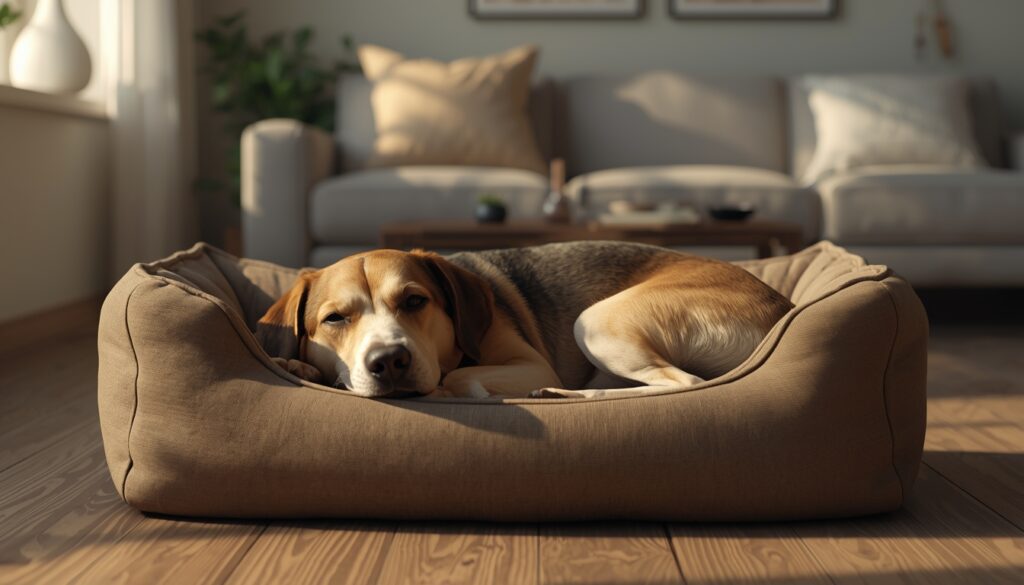
I didn’t stop caring.
I changed how I showed it.
Instead of reacting immediately, I:
• Lowered my energy first
• Spoke normally, not softly
• Stayed present without hovering
• Let silence exist
If he came to me, I didn’t push him away.
But I also didn’t turn anxiety into a moment of intensity.
The quiet improvement I started seeing
It wasn’t dramatic.
But it was real.
• Less frantic pacing
• Shorter anxious episodes
• Easier recovery
• More self-settling
Most importantly,
he stopped looking to me in panic.
He started looking to me for steadiness.
When comfort is still important
This matters.
I’m not saying:
“Never comfort your dog.”
Comfort is important after the peak passes.
When:
• breathing slows
• body softens
• the dog starts settling
That’s when gentle reassurance helps.
Timing changed everything.
What I wish I had known earlier
Anxious dogs don’t need us to absorb their fear.
They need us to remain stable inside it.
Comfort without calm
can unintentionally keep anxiety alive.
Support with steadiness
allows it to pass.
A calmer way to think about anxious moments
Now, when anxiety appears, I ask myself:
“Does my response reduce stimulation…
or add to it?”
That single question changed how I showed love.
And my dog felt the difference.
Something worth sitting with
Loving an anxious dog isn’t about doing more.
Sometimes,
it’s about being less reactive.
Less worried.
Less urgent.
Less emotional.
And more grounded.
That’s when anxiety stopped leading the relationship.
Everything I’ve shared here comes from my real journey with
Pet Calm Care -learning what anxiety actually needs,
not what we wish would work.
Once I changed how I supported anxiety instead of reacting to it,
real improvement began — something I explain in