

 By
By (What It Really Is, Why It Happens and What Actually Helps)
For a long time, I didn’t call it separation anxiety.
I called it clinginess.
Attachment.
Over-sensitivity.
I told myself my dog just loved me too much.
Until leaving the house started feeling heavier than it should.
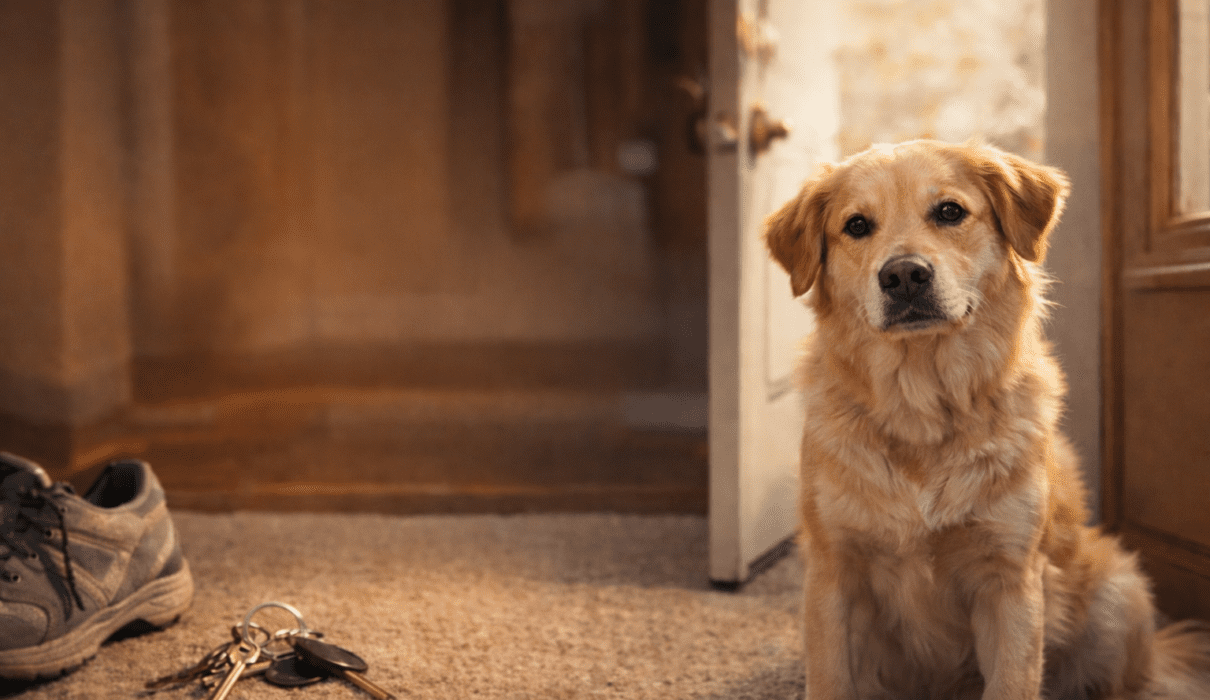
Keys in hand.
Shoes on.
That shift in his body.
And then I knew.
This wasn’t about affection.
This was about fear.
If you’re here, you’re probably in that same place –
trying to understand what’s happening,
wondering if it’s serious,
hoping it will just go away.
This guide is everything I wish I had when it started.
Not theory.
Not surface-level tips.
But what separation anxiety really is, how it builds and what actually moves it in the right direction.
What Separation Anxiety Really Is
Separation anxiety is not:
• Bad behavior
• Stubbornness
• Manipulation
• A training failure
It’s a nervous system problem.
When a dog with separation anxiety experiences departure, the body reacts as if something unsafe is happening.
Heart rate increases.
Cortisol rises.
Alertness spikes.
It isn’t drama.
It’s survival mode.
And once you see it that way, everything changes.
The Early Signs Most Owners Miss
Separation anxiety rarely starts with destruction.
It starts quietly.
• Watching you more closely
• Reacting to small departure cues
• Becoming tense when routines shift
• Struggling more in the evenings
• Following you room to room
These signs often appear weeks – sometimes months – before full panic.
Because early awareness is everything.
The earlier you adjust, the easier recovery becomes.
Why It Builds Slowly Over Time
Separation anxiety rarely explodes overnight.
It builds.
Small stressors stack.
Routine changes.
Unexpected departures.
Inconsistent reassurance.
Overstimulation during the day.
The nervous system never fully settles.
Eventually, departures stop feeling neutral.
They feel threatening.
Because understanding the build-up prevents self-blame.
This isn’t something you caused in a single moment.
It’s something that accumulated.
What Makes Separation Anxiety Worse
This part is uncomfortable.
Because most of us accidentally make it worse while trying to help.
1. Ignoring it completely
The idea that you should ignore anxiety to prevent reinforcement sounds logical.
But anxiety is not attention-seeking.
It’s distress.
Silence without safety doesn’t build confidence.
It builds confusion.
(You can read full guide about why ignoring anxiety making things worse.)
2. Over-comforting in panic moments
On the opposite side, constant emotional intensity can also increase arousal.
High-energy reassurance keeps the nervous system activated.
Calm presence works better than emotional urgency.
If you have a blog on comforting anxiety incorrectly, this is where it connects.
3. Trying to exhaust the dog into calm
This one was my biggest mistake.
Long walks.
Extra stimulation.
More activity.
I thought tired meant relaxed.
But anxious dogs don’t need exhaustion.
They need regulation.
Overstimulation can actually increase sensitivity to departure cues.
( You can read full guide about tiring out an anxious dog backfiring.)
The Core Shift: From Independence to Predictability
For a long time, I focused on teaching independence.
Longer alone time.
Less reassurance.
More distance.
It didn’t work.
Because independence doesn’t reduce fear.
Predictability does.
When my dog started understanding what would happen next, the intensity dropped.
Same departure order.
Same pacing.
Same energy.
No emotional spikes.
Safety is built through repetition.
Not bravery tests.
What Actually Helps (Realistic Version)
This is not a quick fix list.
It’s a nervous system strategy.
1. Regulate the Whole Day
Departure anxiety doesn’t live at the door.
It lives in how the day flows.
Chaotic days = harder departures.
Calm, structured days = softer transitions.
Routine reduces uncertainty.
2. Lower Anticipation Cues
Keys, shoes, bags – these become emotional triggers.
Desensitization works slowly.
Pick up keys without leaving.
Put on shoes and sit down.
Break the prediction cycle.
Not dramatically.
Gradually.
3. Focus on Recovery, Not Silence
This changed everything for me.
I stopped measuring success by:
• No whining
• No movement
• No reaction
Instead I looked for:
• Faster settling
• Lower intensity
• Shorter anxious windows
Recovery speed is the real metric.
Because timeline expectations matter.
4. Respect the Nervous System Timeline
This is not a 7-day fix.
Improvement can take weeks.
Sometimes months.
Progress is often invisible before it becomes obvious.
And pushing too fast can reset everything.

How to Know It’s Improving
You won’t get a dramatic transformation.
You’ll see subtle shifts.
• Less intensity before you leave
• Less scanning behavior
• More independent resting
• Faster calm after you return
One day, you’ll pick up your keys.
And instead of panic, you’ll see awareness… and then rest.
That moment feels small.
But it represents massive internal change.
When You Should Seek Professional Help
Severe cases need structured support.
If you’re seeing:
• Self-harm behaviors
• Extreme destruction
• Constant vocalization for hours
• Regression despite consistent work
A qualified behavior professional is worth it.
Early support is easier than late intervention.
This isn’t failure.
It’s responsible ownership.
The Emotional Side No One Talks About
Separation anxiety is exhausting.
It affects your schedule.
Your mental energy.
Your confidence.
You may feel trapped.
Guilty.
Frustrated.
All of that is normal.
But remember this:
Your dog isn’t trying to control you.
He’s trying to feel safe.
When I stopped viewing departures as a behavior problem and started viewing them as a safety issue, progress finally began.
That shift became central in my journey with Pet Calm Care —
understanding that calm isn’t trained into anxious dogs.
It’s built slowly, through consistency, predictability and emotional steadiness.
Reader Questions
Is separation anxiety something dogs grow out of?
Rarely on its own. Without adjustments, it often deepens over time because the nervous system keeps practicing panic.
Can small improvements really mean real progress?
Yes. Faster recovery, softer reactions and reduced anticipation are real signs that safety is building.
How long does it realistically take to improve?
It depends on severity and consistency. Many dogs show subtle shifts within weeks, but full stability can take months.
Will my dog ever be completely independent?
Maybe. But the goal isn’t total independence. It’s emotional safety during absence.
What if progress feels slow?
Slow progress is still progress. Nervous systems change gradually. Consistency matters more than speed.
Final Thoughts
Separation anxiety isn’t solved by force.
It’s not corrected with commands.
It isn’t erased by exhaustion.
It’s eased by predictability.
By reducing uncertainty.
By showing the nervous system, again and again, that departure is not danger.
If you’re in the middle of it right now, you’re not behind.
You’re learning.
And if you stay steady, your dog will too.