

 By
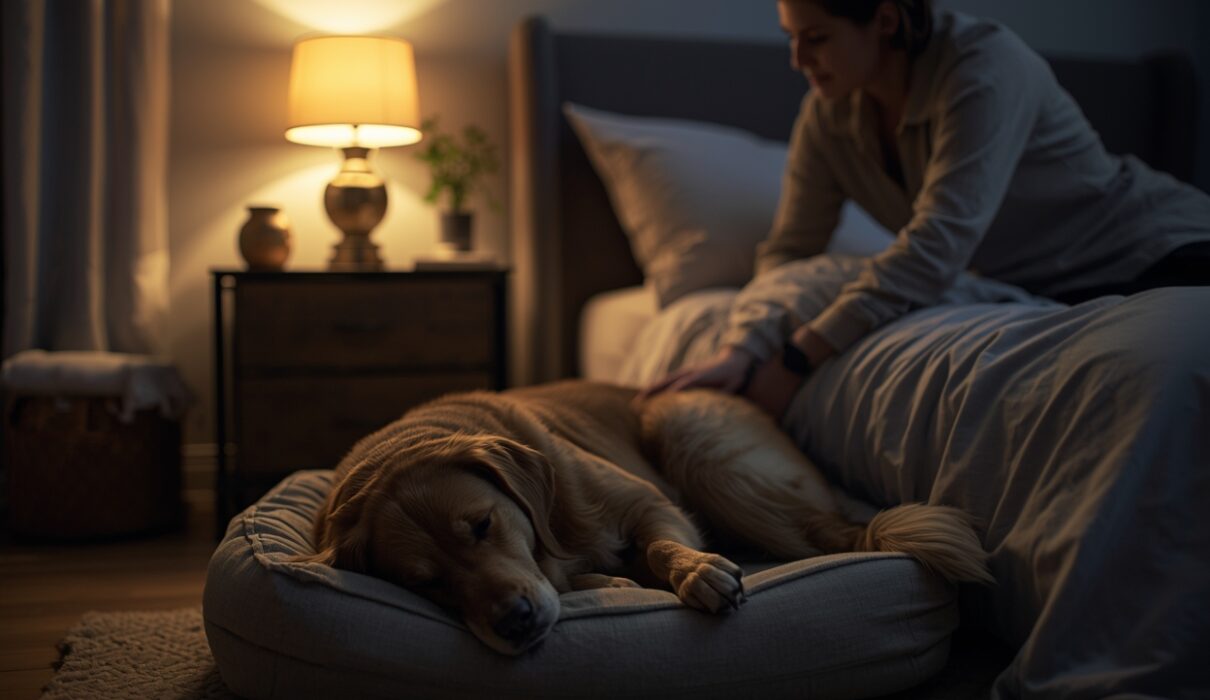
By One night, I remember looking over at my dog and realizing something wasn’t right.
The house was completely quiet.
Lights were off.
The day had been normal.
A good walk, dinner, some playtime.
Nothing unusual had happened.
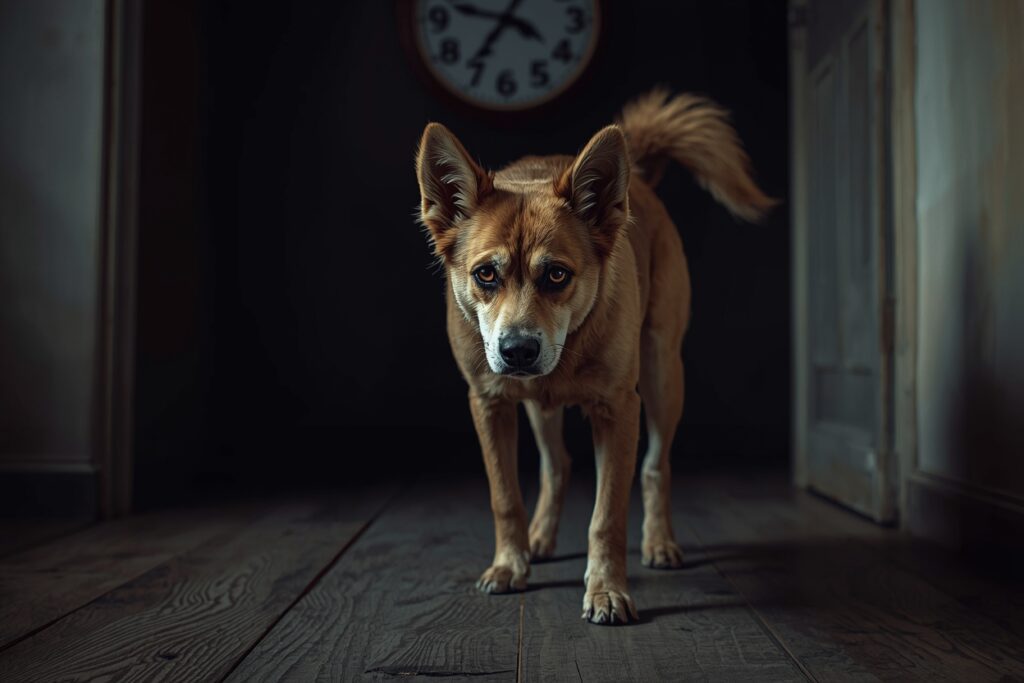
But instead of settling down to sleep, my dog was pacing around the room.
Slow steps.
Then stopping.
Then walking again.
He would lie down for a minute,
lift his head suddenly and get back up.
Then the panting started.
Not the kind after exercise.
The kind that feels uneasy.
Like the body is tense for no clear reason.
At first, I thought maybe he just needed to go outside.
But even after coming back in, the restlessness didn’t stop.
That night I barely slept.
And honestly, that was the moment I realized
something many dog owners eventually face but rarely expect:
Some dogs struggle to relax at night.
Not because they’re misbehaving.
Not because they’re being dramatic.
But because something in their mind simply won’t switch off.
Over time, I started paying close attention to what helped
my dog settle and what made things worse.
Slowly, through trial and error,
I built a simple nighttime routine that helped him relax and finally sleep peacefully again.
It wasn’t a quick fix.
But once the routine became consistent, the pacing, panting and
restless nights slowly started to fade.
And that’s the routine I want to share here.
Why Some Dogs Become Anxious at Night
Dogs are incredibly sensitive to changes in their environment.
When the day slows down and the house becomes quiet,
certain feelings become more noticeable for them.
Some common reasons dogs struggle to relax at night include:
- Unreleased physical energy from the day
- Mental stimulation that never fully winds down
- Changes in household routines
- Subtle noises outside the house
- Separation concerns when the house becomes quiet
- Aging-related anxiety in older dogs
What makes nighttime anxiety tricky is that the trigger isn’t always obvious.
Sometimes it’s simply the transition from activity to stillness that a dog
doesn’t know how to process.
That’s why a predictable calming routine can make such a big difference.
Dogs relax more easily when they know what comes next.
The Routine That Helped My Dog Settle at Night
When I first tried to help my dog relax, I made the mistake many people make.
I reacted to the anxiety instead of preventing it.
I would try to calm him once he was already pacing or panting.
But by that point his nervous system was already activated.
What helped more was building a routine before the anxiety started.
Here is the simple structure that worked best.
Step 1: Release Physical Energy Before Night
One of the biggest causes of nighttime restlessness is leftover energy.
A dog that still has physical tension in the body often struggles to settle down.
I started adding a calm evening walk about an hour before bedtime.
Not an intense run,
just a steady walk that allowed my dog to sniff and explore.
Sniffing is surprisingly calming for dogs.
It engages their brain in a way that naturally reduces stress.
Even a 20-minute walk can make a big difference.
What mattered most was consistency.
The walk happened at roughly the same time every evening.
Over time, my dog started associating that walk with the transition toward sleep.
Step 2: Shift the House Into “Quiet Mode”
Dogs notice environmental changes faster than we do.
Bright lights, loud television or sudden activity late at night
can keep their nervous system alert.
After the evening walk,
I began slowly shifting the house into a calmer atmosphere.
This meant:
- Dimming lights
- Lowering TV volume
- Avoiding sudden activity
- Speaking in a softer tone
These small changes signal to a dog that the day is winding down.
It sounds simple, but dogs read these cues constantly.
Step 3: Create a Predictable Bedtime Pattern
Dogs relax when routines become predictable.
After the walk and quiet period, I repeated the same sequence every night.
- Water bowl refreshed
- Short calm interaction or gentle petting
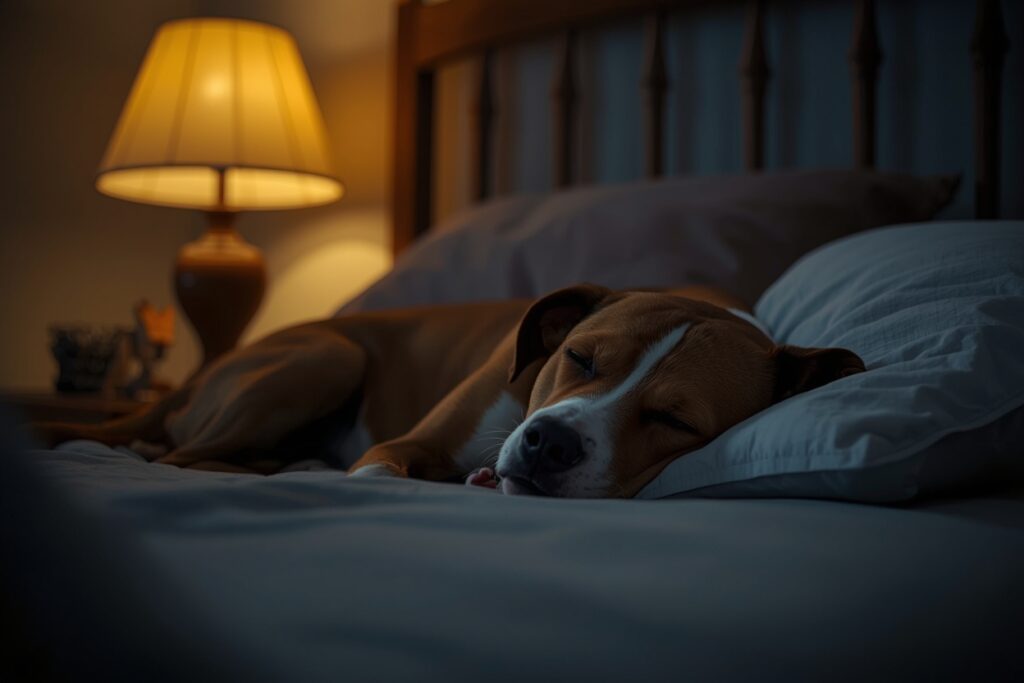
- Dog settles into sleeping area
- Lights gradually turned off
Nothing dramatic. Just the same pattern each night.
Within a couple of weeks, my dog began anticipating what came next.
And that anticipation alone seemed to reduce his nighttime restlessness.
Step 4: Build a Comfortable Sleeping Space
Some dogs struggle at night because their sleeping space doesn’t feel secure enough.
I experimented with a few small changes.
Things that helped included:
- A thicker, more supportive bed
- Placing the bed in a quieter area of the house
- Keeping the temperature comfortable
- Avoiding drafty or overly bright areas
Dogs often sleep best where they can still sense their owners nearby but aren’t in the center of activity.
For my dog, moving the bed slightly closer to the bedroom doorway helped him settle much faster.
Step 5: Avoid Reinforcing Anxiety
This part took me the longest to learn.
When a dog becomes anxious at night, the instinct is to constantly comfort them.
But too much attention during anxious moments can sometimes reinforce the behavior.
Instead, I tried to stay calm and neutral.
If my dog got up and paced,
I didn’t react dramatically.
I kept my movements slow and my voice steady.
The goal wasn’t to ignore him completely,
but to avoid turning the moment into something emotionally intense.
Dogs read our emotional reactions very quickly.
When the environment stayed calm, my dog gradually learned that nighttime was safe.
Step 6: Watch for Patterns
One thing that helped me understand my dog better was paying attention to patterns.
Night anxiety often follows a predictable rhythm.
For example, it may happen:
- After particularly busy days
- After a disruption in routine
- When weather changes
- When unfamiliar sounds occur outside
Once I noticed these patterns,
it became easier to prevent the anxiety instead of reacting to it.
When Night Anxiety Might Be Something Else
Most nighttime anxiety improves with routine, consistency, and patience.
However, there are situations where additional support may be needed.
If a dog shows signs such as:
- Intense shaking
- Persistent panting
- Disorientation
- Crying or whining at night
- Sudden personality changes
then it’s worth discussing the behavior with a veterinarian.
Sometimes underlying discomfort, aging-related cognitive changes
or medical conditions can contribute to nighttime restlessness.
Early guidance can make the situation easier to manage.
Reader Questions
1. Why is my dog suddenly anxious at night when they used to sleep fine before?
Sometimes nighttime anxiety appears suddenly even in dogs that previously slept peacefully. Changes in routine, new sounds in the environment, aging or stress during the day can trigger this behavior. Dogs often react to things we cannot easily notice, especially subtle noises at night.
2. Are dogs naturally more anxious at night?
Some dogs become more alert at night because the environment is quieter and unfamiliar sounds become easier to notice. This can trigger guarding instincts or anxiety, especially in sensitive dogs.
3. Should I let my anxious dog sleep in my bedroom?
For many anxious dogs, sleeping closer to their owner can help them feel safer and settle more easily. However, it is important to gradually teach independence as well so the dog does not become overly dependent on constant presence.
4. Can small sounds at night trigger dog anxiety?
Yes. Dogs hear frequencies humans cannot detect. Things like distant traffic, animals outside or even electrical noises can trigger alertness and anxiety during the night.
5. Does playing calming music help anxious dogs sleep?
Many owners report that soft background noise or calming music helps dogs relax. Gentle sound can mask sudden noises that would otherwise trigger alert behavior.
6. Why does my dog pace around the house at night instead of sleeping?
Night pacing is often a sign that the dog is unable to settle due to anxiety, excess energy, environmental stress or discomfort. Creating a predictable bedtime routine can help reduce this behavior. Please check full guide here.
7. Can changes in a dog’s environment cause nighttime anxiety?
Yes. Moving homes, new people in the house, different sleeping locations or unfamiliar nighttime sounds can make dogs feel unsafe until they adjust to the new environment.
8. When should I worry about nighttime anxiety in my dog?
If your dog shows extreme panic, heavy panting, destructive behavior or anxiety that continues for many nights, it may be time to consult a veterinarian or behavior professional to rule out medical or behavioral issues.
What I Learned From This Experience
Helping an anxious dog relax at night isn’t about finding one perfect trick.
It’s about building a calm environment and a routine that tells your dog:
You are safe.
Nothing unexpected is about to happen.
For my dog, the biggest change didn’t come from any single step.
It came from the combination of consistency, routine, and patience.
Once his body started expecting the same quiet pattern every night,
settling down became much easier.
And slowly, the pacing and restlessness faded into something much calmer.
Sometimes helping a dog relax at night is less about fixing a problem and
more about creating a rhythm they can trust.
