

 By
By (The things I wish I had understood sooner)
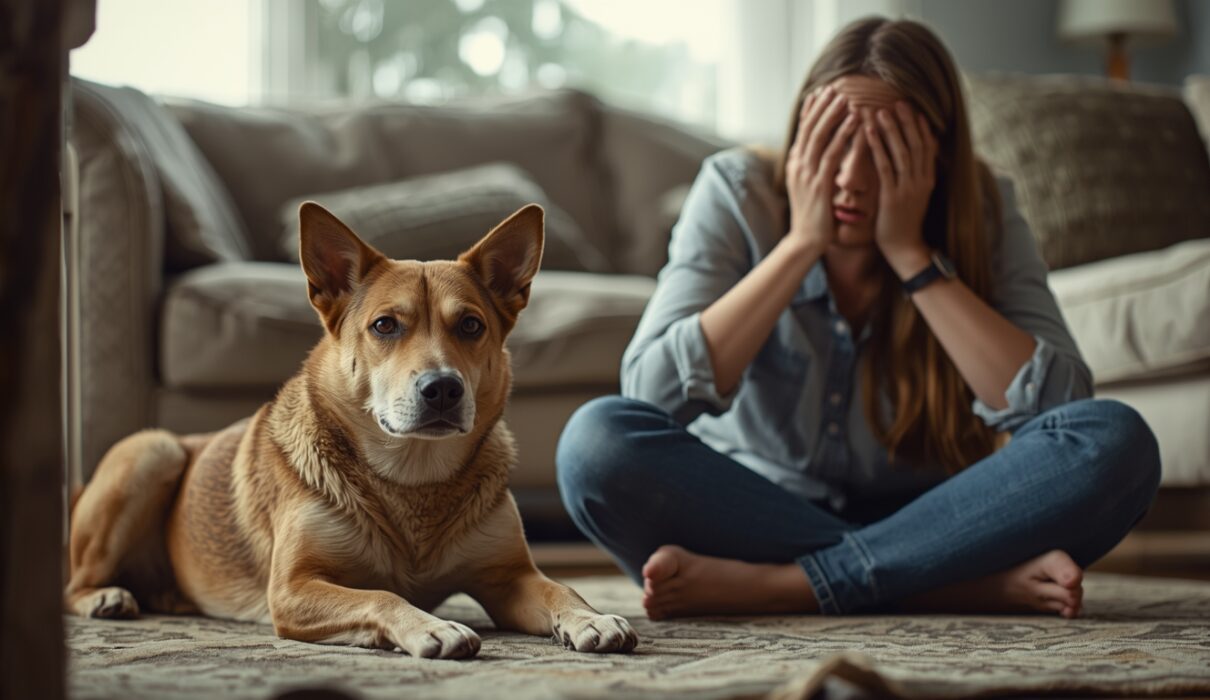
When I first realized my dog was anxious, I went into fix-it mode.
I didn’t pause.
I didn’t observe.
I didn’t question my approach.
I just wanted the anxiety gone.
And in that urgency, I made mistakes –
not because I didn’t care, but because I cared too hard in the wrong direction.
Looking back now, these mistakes taught me more than any advice ever did.
1. I treated anxiety like a problem to solve, not a state to support
My first instinct was always:
“What should I do to stop this?”
Stop the pacing.
Stop the whining.
Stop the following.
I didn’t realize that anxiety isn’t a behavior that needs correcting.
It’s a nervous system state that needs safety.
The more I tried to “fix” what I was seeing,
the more my dog stayed stuck in alert mode.
Once I stopped fighting the symptoms and started supporting the system underneath, things slowly shifted.
2. I reacted to anxiety instead of preparing for it
Every anxious moment caught me off guard.
If my dog paced, I reacted.
If he became clingy, I reacted.
If he struggled to settle, I reacted.
Everything was after the fact.
What I didn’t understand then was this:
By the time anxiety shows up, the nervous system is already overloaded.
Real change started when I stopped reacting to anxiety
and started shaping the day around preventing overwhelm.
3. I confused reassurance with calm leadership
I thought comforting meant helping.
So I used:
- soft, worried voice
- constant petting
- hovering presence
Sometimes it soothed him for a moment.
Often, it didn’t.
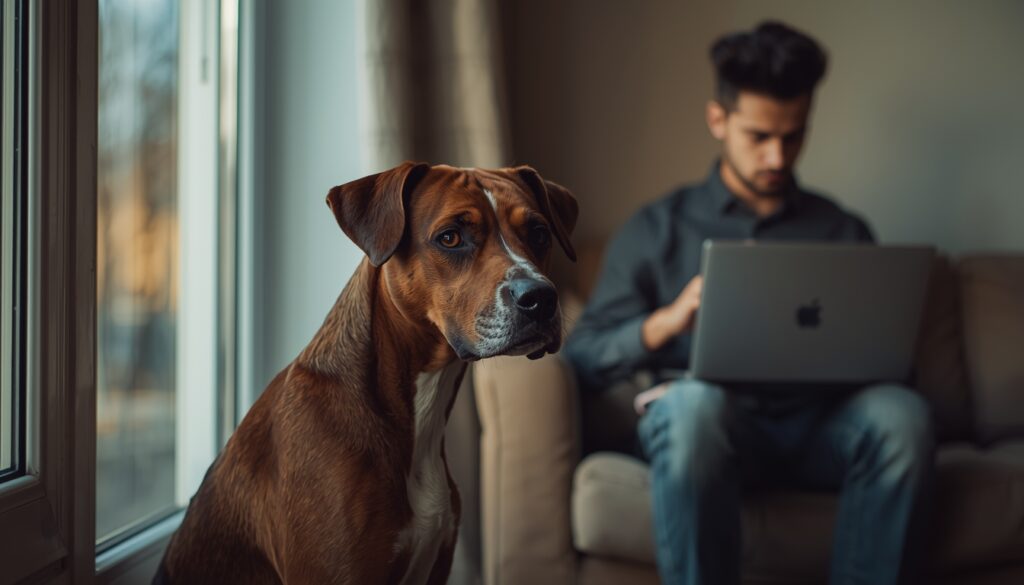
What I missed was how much my own energy mattered.
If I sounded concerned, my dog felt confirmed in his fear.
If I hovered, he learned that something must be wrong.
The biggest change came when I stayed calm, steady and predictable – even when he wasn’t.
4. I pushed independence before building enough safety
At one point, I swung too far in the other direction.
I thought:
“Maybe I’m reinforcing anxiety by being too available.”
So I tried to create distance too quickly.
Less presence.
More ignoring.
More “he has to learn.”
That backfired.
An anxious dog doesn’t learn independence through distance.
He learns it through secure attachment first.
Once safety is established, independence follows naturally.
Trying to force it early only increases stress.
5. I underestimated how long nervous systems take to change
I expected progress to look obvious.
Quieter days.
No reactions.
Clear improvement.
But anxiety doesn’t fade in clean steps.
Progress actually looked like:
- slightly faster recovery
- fewer intense moments
- less duration, not zero anxiety
When I stopped demanding quick results, I finally noticed real ones.
6. I focused on specific moments instead of the whole day
I obsessed over:
- departures
- arrivals
- anxious episodes
But anxiety wasn’t living only in those moments.
It was shaped by:
- how the morning started
- how stimulation was managed
- how evenings slowed down
- how predictable the day felt overall
Once I supported the entire daily rhythm, the intense moments softened on their own.
7. I ignored my own nervous system
This was the hardest truth.
My dog wasn’t only reacting to being alone or uncertain.
He was reacting to me.
My guilt before leaving.
My tension when returning.
My frustration when progress felt slow.
Dogs read us constantly.
When I learned to regulate myself better,
my dog didn’t magically change –
but he finally had a calm reference point to follow.
What I would do differently now
If I could go back, I wouldn’t try harder.
I would:
- slow down sooner
- focus on predictability over control
- support calm instead of chasing calm
- measure progress in softness, not perfection
Most of all, I would stop treating anxiety like a failure.
What became clear over time
Anxiety doesn’t mean your dog is broken.
And it doesn’t mean you’re doing everything wrong.
Sometimes, it just means the approach needs to change.
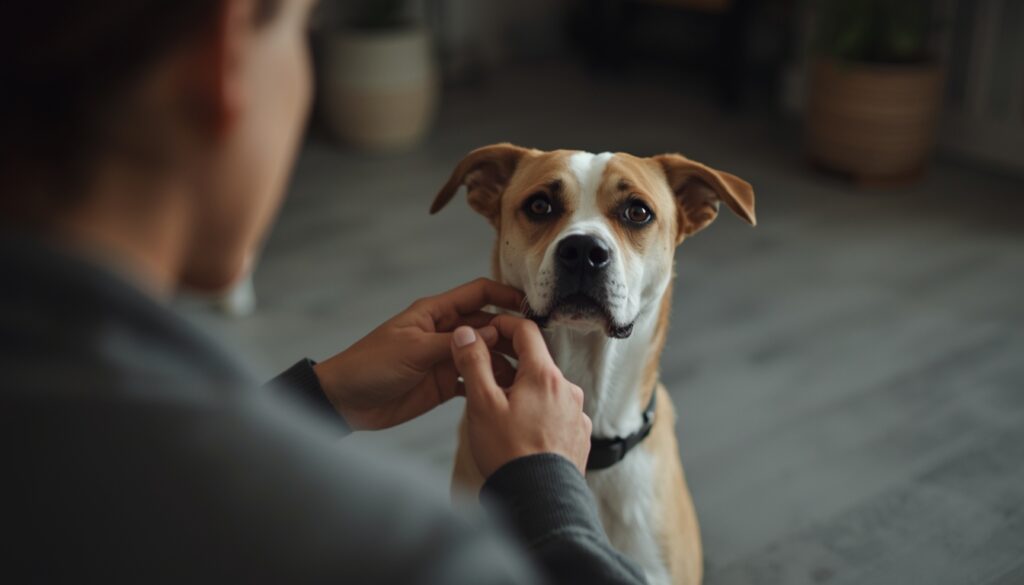
When I stopped trying to fix my dog
and started trying to understand him,
everything began to move in the right direction.
This experience is part of my journey with Pet Calm Care –
learning that calm isn’t forced, trained or rushed.
It’s built slowly, through safety, patience and trust.
And once that foundation is there,
real change becomes possible.
