

 By
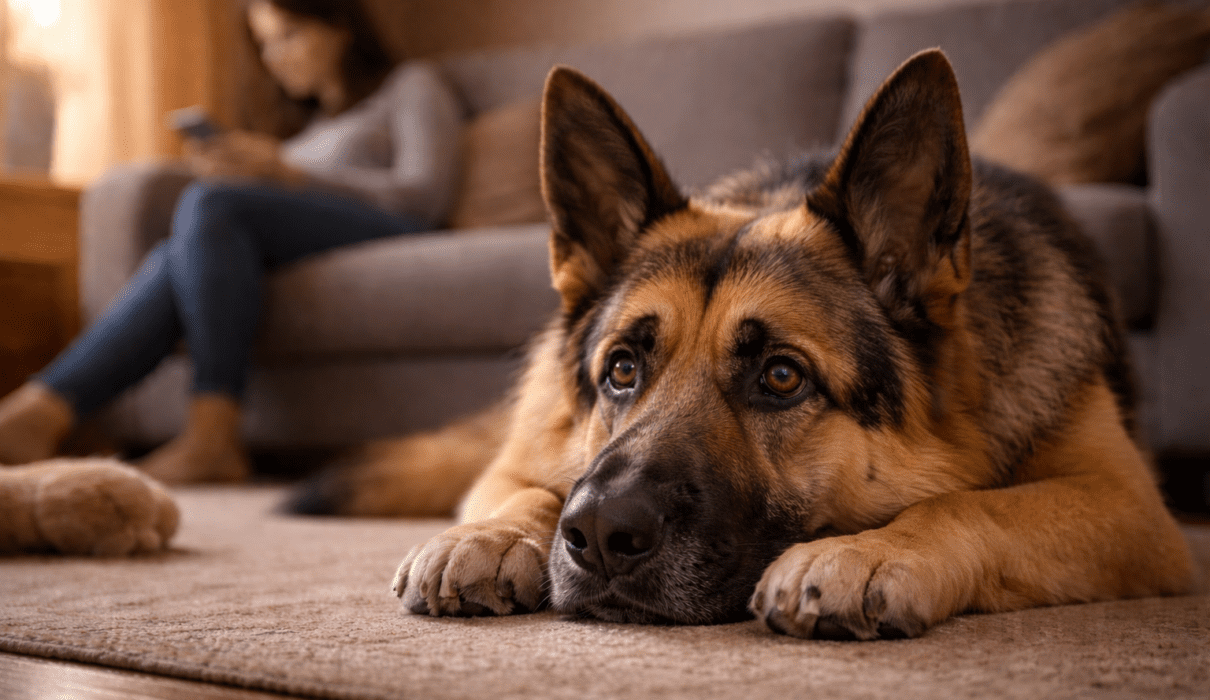
By (What I misunderstood about “giving space”)
For a long time,
I believed ignoring anxiety was the right thing to do.
People said:
“Don’t react.”
“Don’t reinforce it.”
“Let him figure it out.”
So I tried.
And I honestly thought I was helping.
I wasn’t.
Why ignoring felt logical at first
On the surface, it made sense.
If my dog was anxious:
- reacting felt like rewarding fear
- attention felt like encouragement
- distance felt like teaching independence
So I ignored.
I stayed quiet.
I avoided eye contact.
I waited for it to pass.
But something unexpected happened.
The anxiety didn’t reduce.
It shifted.
I later realized that ignoring anxiety wasn’t the only thing
making it worse – trying to physically exhaust my dog
had a similar effect, which I explain in more detail in
Why Tiring Out an Anxious Dog Often Backfires.
What ignoring actually looked like in real life
It wasn’t dramatic.
No sudden panic.
No instant meltdown.
Instead, I noticed subtle changes:
• More pacing
• Longer recovery time
• Less ability to settle
• Anxiety showing up later in the day
He wasn’t calmer.
He was holding it in.
The mistake I didn’t realize I was making
I confused two very different things:
Ignoring behavior
vs
Ignoring emotion
Ignoring behavior can sometimes work.
Ignoring emotion almost never does.
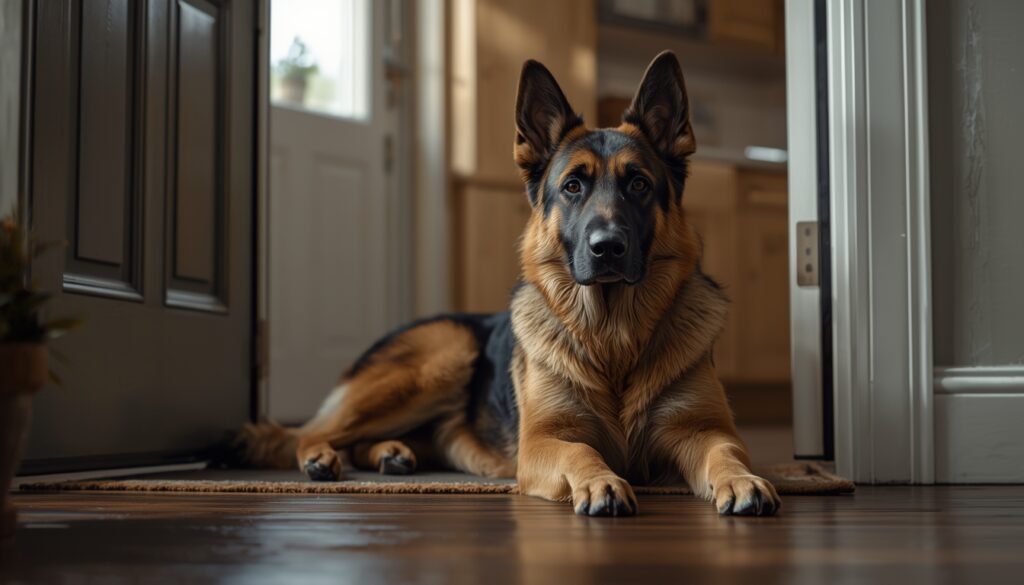
My dog wasn’t looking for attention.
He was looking for safety signals.
And I removed them.
Why anxiety doesn’t fade when it’s ignored
This was the turning point for me.
Anxiety isn’t a learned trick.
It’s a nervous system response.
When I ignored my dog during anxious moments:
• His body stayed alert
• His mind stayed on edge
• His stress didn’t discharge
He didn’t feel independent.
He felt alone with his fear.
The quiet signs that told me something was wrong
What scared me most wasn’t the anxiety itself.
It was the change in connection.
I noticed:
• Less checking in with me
• More self-soothing behaviors
• Less trust during transitions
Ignoring didn’t build confidence.
It created distance.
Why “giving space” is often misunderstood
This part is important.
Giving space is not the same as emotional absence.
Healthy space looks like:
• Calm presence
• Predictable behavior
• Neutral reassurance
Ignoring looks like:
• Emotional withdrawal
• No response to stress
• Silence during fear
I was doing the second one.
And my dog felt it.
What changed when I stopped ignoring
I didn’t suddenly comfort more.
I became available.
Small changes made a big difference:
• Staying calm instead of distant
• Letting my dog know I was there
• Responding without drama
• Not fixing – just supporting
I wasn’t rewarding fear.
I was regulating it together.
How anxiety started softening after that
Not overnight.
But gradually.
I noticed:
• Faster recovery
• Less intensity
• Easier transitions
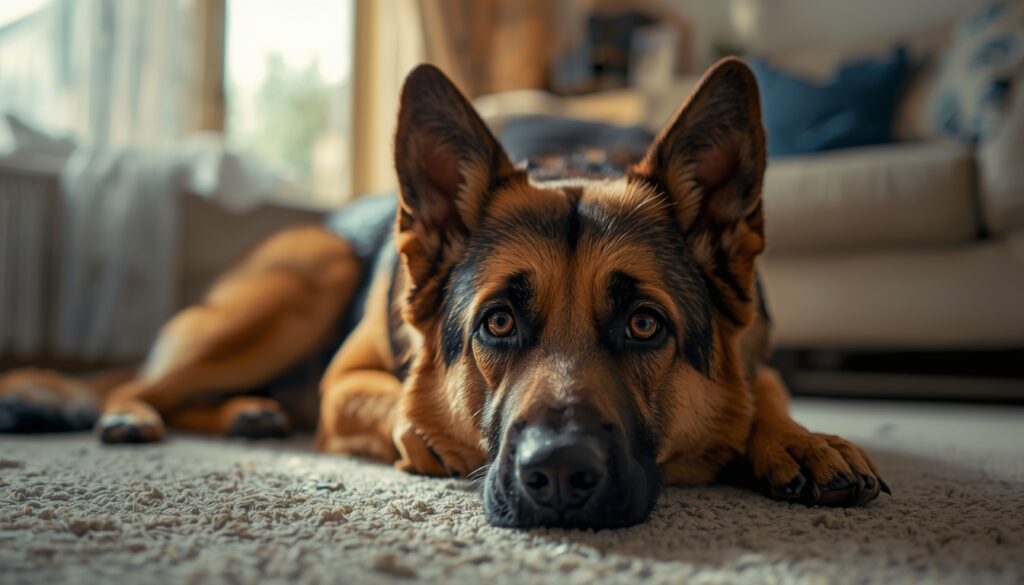
• More relaxed body language
Most importantly,
my dog stopped bracing himself when anxious moments arrived.
He knew he wasn’t alone.
What ignoring can work for – and what it can’t
Ignoring works for:
• attention-seeking behavior
• demand barking
• learned habits
Ignoring does not work for:
• fear
• stress
• anxiety
Treating anxiety like a behavior problem
only pushes it deeper.
What I wish I had understood earlier
An anxious dog doesn’t need to be ignored.
He needs:
• steadiness
• predictability
• emotional safety
Independence doesn’t grow from distance.
It grows from security.
A calmer way to look at anxious moments
Now, when anxiety shows up,
I don’t rush.
I don’t fix.
I don’t disappear.
I stay.
Not loud.
Not dramatic.
Just present.
And that presence
does more than ignoring ever did.
Looking back
Ignoring felt responsible.
But understanding turned out to be kinder –
and far more effective.
Once I stopped withdrawing during anxiety
and started offering calm support,
my dog didn’t need to fight his fear alone.
And that’s when real change began.
Looking back, I can see how ignoring anxiety early on quietly
set the stage for bigger separation issues later, something
I’ve shared more honestly in –
