

 By
By (What I wish I had acted on sooner)
For a long time,
I told myself it wasn’t serious.
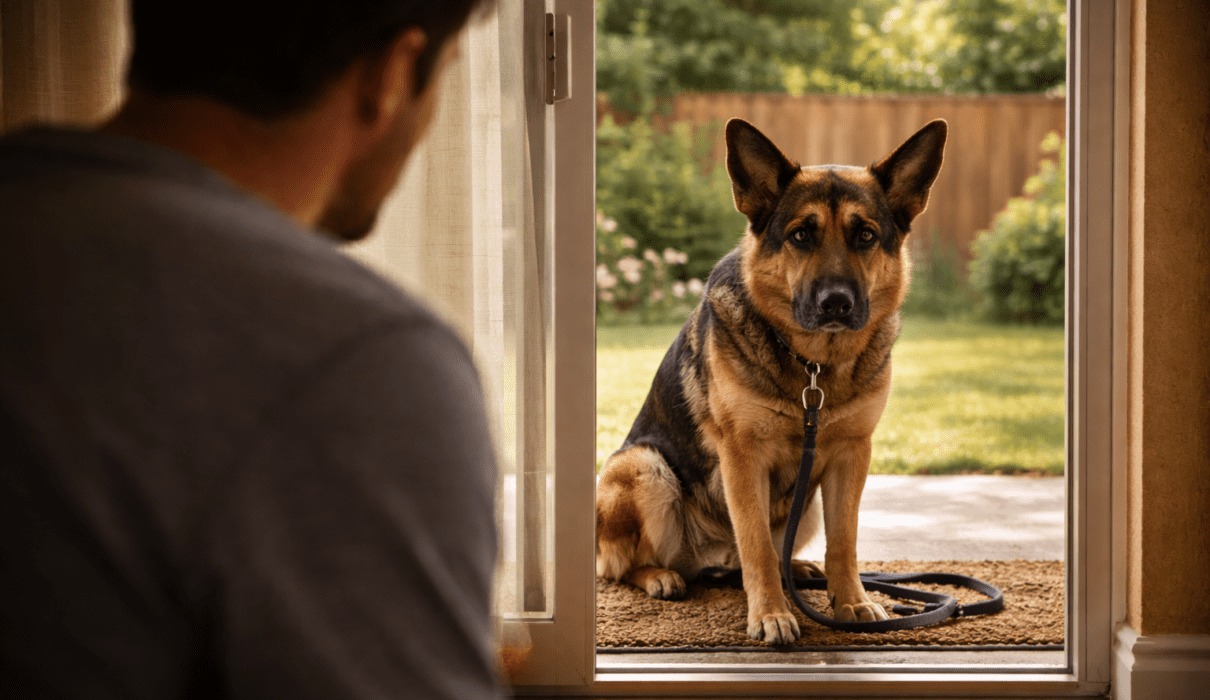
My dog followed me everywhere.
Got restless when I moved rooms.
Watched the door when I picked up my keys.
But I brushed it off.
“He’s just attached.”
“He’ll grow out of it.”
“It’s not anxiety yet.”
That word – yet – mattered more than I realized.
The early signs were quiet
That’s why I missed them
Looking back,
nothing felt dramatic.
There was no destruction.
No loud crying.
No obvious panic.
Just small things:
• Always needing to be near me
• Trouble relaxing alone
• Alertness instead of rest
• Tension that didn’t fully leave
It didn’t look like a problem.
It looked like closeness.
I confused comfort with safety
This was my biggest mistake.
I thought:
“If he’s close to me, he must feel safe.”
What I didn’t understand was this:
Closeness doesn’t always mean calm.
Sometimes it means uncertainty.
My dog wasn’t choosing me.
He was relying on me.
And reliance without confidence slowly turns into anxiety.
I waited for something “worse” to happen
Another mistake.
I kept telling myself:
“I’ll deal with it if it gets bad.”
But anxiety doesn’t announce when it’s crossing a line.
It grows quietly.
By the time it looks serious,
it’s already been there for a while.
The behavior changed before I did
While I stayed relaxed,
my dog didn’t.
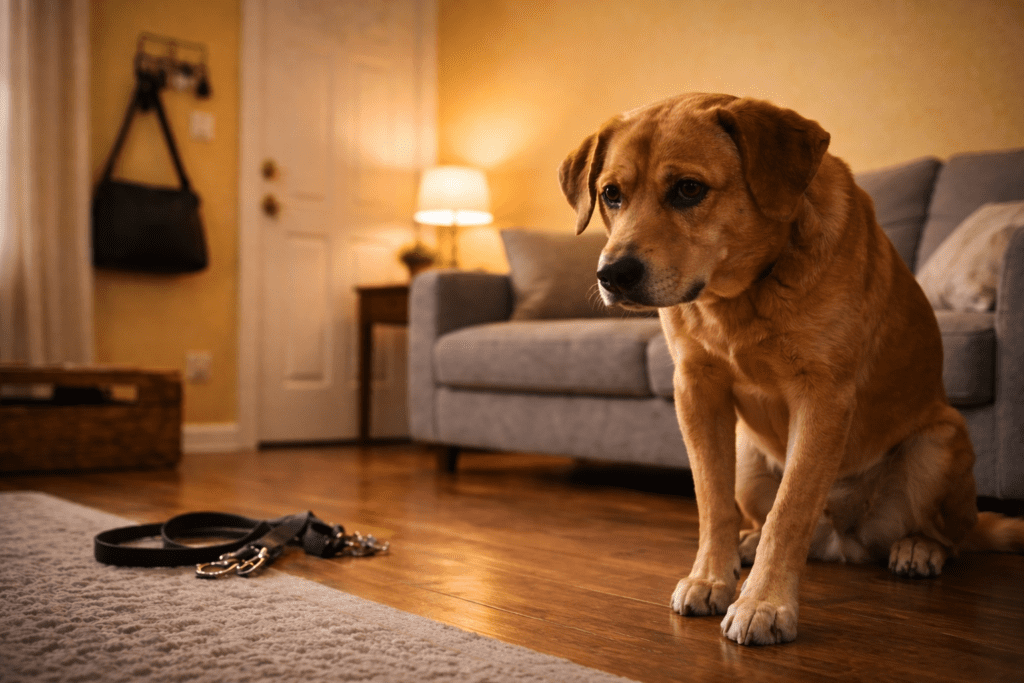
The signs shifted slowly:
• Following turned into monitoring
• Unease turned into anticipation
• Anticipation turned into panic before leaving
• Panic turned into restlessness and destruction
Each stage made the next one easier.
Because nothing interrupted the cycle.
I thought time would fix it
It didn’t
I assumed maturity would help.
More walks.
More routines.
More time.
But time doesn’t heal unaddressed anxiety.
It deepens it.
Because the nervous system keeps learning:
“This feeling doesn’t go away.”
When I finally realized it wasn’t “new”
The hardest moment wasn’t the destruction.
Or the night pacing.
It was realizing this:
Nothing that was happening was sudden.
It all made sense in reverse.
The early signs weren’t harmless.
They were the foundation.
Why early anxiety matters so much
Early anxiety is flexible.
The nervous system is still learning.
Patterns aren’t locked in yet.
But when it’s ignored:
• The body adapts to tension
• Stress becomes familiar
• Recovery takes longer
That’s why later stages feel so heavy.
Not because the dog changed overnight –
but because the pattern settled in.
I didn’t fail my dog
I misunderstood him
This took time to accept.
I wasn’t careless.
I wasn’t lazy.
I just didn’t know what I was seeing.
Most people don’t.
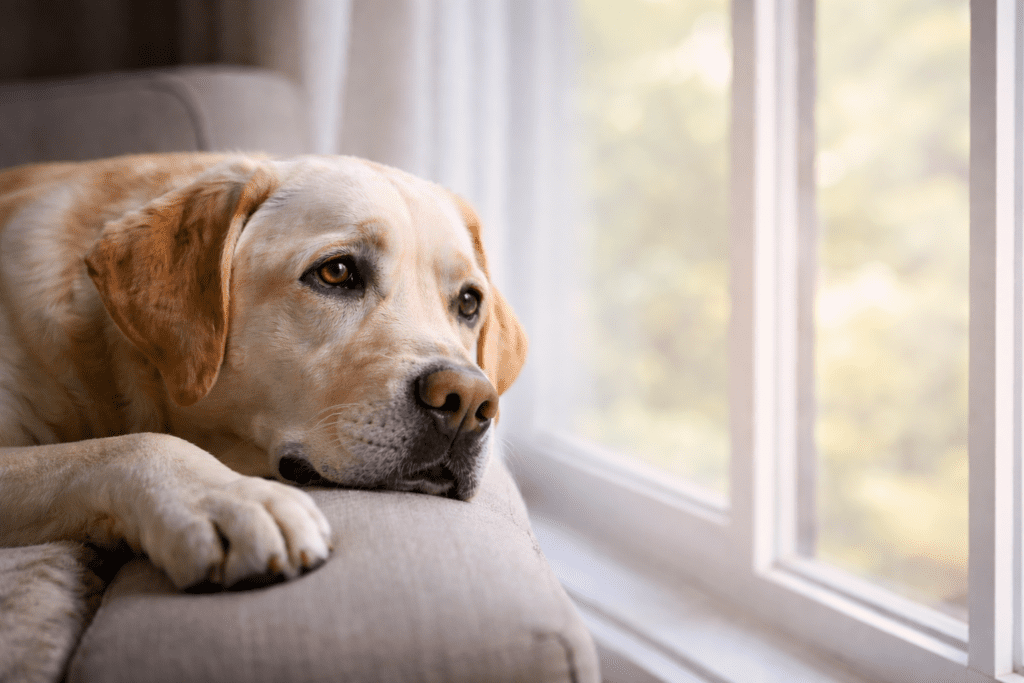
Because early separation anxiety doesn’t scream.
It whispers.
What I would do differently now
If I could go back,
I wouldn’t wait for escalation.
I wouldn’t wait for damage.
I’d take the early signs seriously –
not with panic,
but with awareness.
Not to fix everything.
But to prevent the spiral.
This isn’t about blame
It’s about timing
If you’re reading this and thinking:
“This sounds familiar…”
You’re not late.
You’re early enough.
That’s what matters.
Because anxiety is much easier to support
before it becomes the dog’s normal.
What became clear over time
Separation anxiety doesn’t start with chaos.
It starts with uncertainty.
And uncertainty, when ignored,
teaches the body to stay alert.
Once I understood that,
I stopped waiting for things to “get worse.”
And started paying attention
when they were still quiet.
That shift didn’t erase anxiety overnight.
But it stopped it from growing.
And sometimes,
that’s the most important change of all.
